
Expat Life: The Honest Guide to Living Abroad
Moving overseas sounds romantic. Building a life there is where things get interesting.
This is the practical, occasionally messy reality of visas, money, culture shock, community, language, and turning somewhere foreign into somewhere familiar.
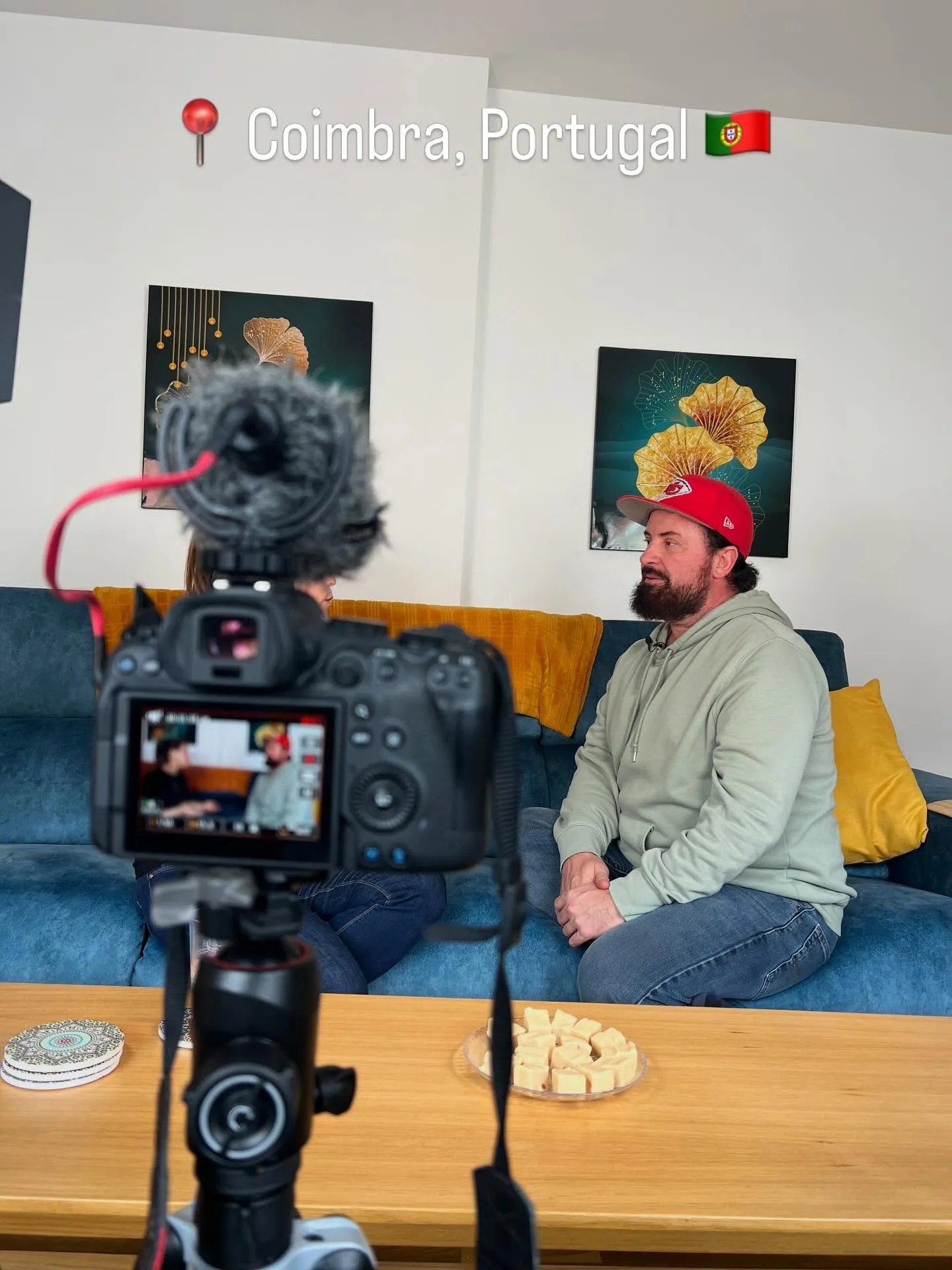
Written from a life actually being built abroad in Coimbra, Portugal.
Choose Your Expat Life Starting Point
You do not need to solve your entire move abroad today. Start with the problem you are actually trying to solve, then come back for the rest.
Living Abroad Is More Than a Long Vacation
Expat life is the experience of living outside your home country while building an everyday life somewhere else. That can include work, retirement, remote income, family, language learning, residency, healthcare, banking, friendships, and the small routines that make a place feel normal.
The word expat is informal, not a legal immigration status. Depending on the situation, people may describe themselves as expats, immigrants, emigrants, foreign residents, or simply people who moved abroad.
For me, the label matters less than the experience. You carry pieces of where you came from while slowly learning how to participate in where you are.
Moving abroad is often sold as one big cinematic escape: historic streets, cheap coffee, better weather, perhaps a suspiciously perfect laptop on a balcony.
Then you need a bank account. And a residence appointment. And a doctor. And someone to explain why the washing machine appears to have been designed by a cryptographer.
That is when living abroad stops feeling like travel and starts becoming life.
I know because I did it. I left the United States, moved overseas, and eventually began building a home in Coimbra, Portugal. Somewhere along the way I learned that moving abroad does not remove ordinary life. It rearranges it.
Expat Life Is Not a Permanent Vacation
Vacation works because normal life is temporarily suspended. Expat life brings normal life with you—just in a new language, culture, and legal system.
Beautiful streets, new food, easier weekend trips, a different pace, fresh perspective, and the thrill of discovering a new place.
Residency appointments, tax questions, banking, insurance, housing deposits, contracts, and government systems that may work very differently.
A chance to redesign routines, priorities, work, friendships, and the way you use your time.
Missing family, being the newcomer, struggling with language, and rebuilding a social life from almost zero.
The café owner recognizes you. You stop checking the map. You understand a joke. The bus route becomes automatic.
You will misunderstand things. You will make mistakes. You will discover that your way of doing something was never the only way.
The Biggest Expat Challenges
The hardest parts of expat life usually are not the dramatic ones. They are the repeated little frictions that make simple tasks require more thought than they used to.
Bureaucracy
Residency, visas, registrations, appointments, document rules, tax numbers, and renewals can turn a simple move into a multi-season television series.
Language
You do not need perfect fluency on arrival, but everyday life becomes richer—and often easier—when you keep learning the local language.
Community
Friendships rarely appear just because you changed countries. You build them through repetition: the same café, club, class, market, neighborhood, or walking route.
Housing
Neighborhoods, leases, deposits, utilities, furnishing, and local housing pressure matter more than whether the apartment looked charming online.
Money
Cost of living abroad is never just rent. Add taxes, insurance, flights home, setup costs, banking fees, emergencies, and the occasional expensive mistake.
Identity
Living overseas can make you see your habits, assumptions, and home culture more clearly. That is useful, but it is not always comfortable.

Home Is Built Through Repetition
Before moving abroad, I used to think home was mostly about location: a house, a city, a familiar grocery store, a place where you knew which drawer held the scissors.
Coimbra taught me something different.
Home is walking the same streets until they stop feeling like a map and start feeling like memory. It is finding your café, your route, your quiet corner, and the places you return to when your brain feels like a browser with too many tabs open.
At some point, a destination becomes part of your routine. That quiet transition is one of the best parts of expat life.
How to Become an Expat Without Running on Vibes and Duct Tape
If you are seriously considering moving abroad, start with the boring stuff. I know. Very punk rock. But boring stuff is what keeps the adventure from becoming a flaming paperwork dumpster.
Know why you want to move
Lower costs? Better work-life balance? Retirement? Culture? Adventure? Family? A slower pace? Your reason shapes the countries, visas, budget, and lifestyle that make sense.
Find a legal path to stay
Do not choose a country from Instagram and figure out legality later. Research visa and residency routes first, including income rules, renewals, family requirements, and tax implications.
Test ordinary life before committing
If possible, stay long enough to grocery shop, work, use transportation, explore residential neighborhoods, and experience a rainy weekday. Vacation chemistry and long-term compatibility are different things.
Build a realistic money plan
Include rent, deposits, utilities, health insurance, taxes, transportation, flights home, document fees, emergency savings, language classes, and setup costs. Then add a cushion.
Plan for healthcare, language, and community
A residence permit gets you into a country. It does not automatically give you a support system. Learn how healthcare works, make a real effort with the language, and create routines that put you around people repeatedly.
Expat Life in Portugal
Portugal has given me a softer rhythm in many ways. Living in Coimbra has made ordinary things—morning coffee, river walks, old streets, local shops, familiar faces—feel more important than constantly chasing the next destination.
But Portugal is not a fantasy land where every problem dissolves into a pastel de nata. It is a real country with bureaucracy, housing pressure, cultural expectations, language barriers, and systems that do not exist to recreate the place you left.
If you move here, come with respect. Learn the language. Support local businesses. Understand that locals are not background characters in your reinvention montage.

Digital Nomad vs Expat Life
Digital nomads and expats overlap, but the center of gravity is different. One lifestyle is usually built around mobility. The other is usually built around settling in.
Digital Nomad Life
The emphasis is usually flexibility, remote work, and the ability to change locations.
- Remote or location-independent income
- More frequent moves
- Shorter housing commitments
- Travel remains central to the lifestyle
- Community may change from place to place
Expat Life
The emphasis is usually residency, integration, stability, and building ordinary routines in one place.
- Longer-term residency
- More stable housing
- Local systems matter more
- Language and community deepen over time
- A destination gradually becomes home
Is Expat Life Right for You?
Expat life tends to fit people who are curious, flexible, patient, and willing to be uncomfortable long enough to learn. It does not require you to be fearless. It requires you to keep functioning when familiar systems disappear.
- You can tolerate ambiguity and delayed answers.
- You are willing to learn how another culture works.
- You can build routines without needing constant novelty.
- You are prepared to make an effort with the language.
- You have a realistic financial plan.
- You can handle being the outsider sometimes.
- You are moving toward something, not only away from something.
- You can accept that home and belonging take time.
Moving abroad will not give you a personality transplant. Your habits, fears, strengths, flaws, relationships, and unresolved nonsense can all get through passport control.
What a new environment can give you is perspective. Sometimes that perspective changes everything.
Your Practical Expat Life Checklist
The broad guide is here. The detailed move belongs in the checklist. Use it to organize the parts that are easy to forget when you are busy imagining the fun part.

Expat life Checklist
Home>Expat Life: The Honest Guide to Living Abroad Free Expat Life Checklist PDF Moving abroad sounds exciting until the paperwork goblin shows up with visa forms, housing research, health insurance questions, and a suspicious number of documents you forgot existed. That is why I created this free Expat Life Checklist PDF. This printable checklist helps […]
At minimum, understand these before moving abroad:
- Visa and residency options
- Passport validity and document rules
- Healthcare and insurance requirements
- Tax obligations
- Banking and international transfers
- Housing costs and neighborhoods
- Transportation options
- Language basics
- Local customs and expectations
- Emergency savings
- Phone, mail, and document management
- A realistic exit plan if things do not work out
Expat Life FAQ
These are the questions that usually come up once the romantic idea of moving abroad starts turning into an actual plan.
What does expat life actually mean?
Expat life generally means living outside your home country for an extended period while building normal routines there. It can involve work, retirement, family, remote income, study, or simply choosing to build a life in another country.
What is the difference between an expat and an immigrant?
There is no universal everyday definition that cleanly separates the terms. “Immigrant” is generally used for someone who moves to another country to live there, while “expat” is an informal label often used by people living outside their country of origin. Legal systems usually care about your actual visa or residency status, not which informal label you prefer.
Do you need to be rich to live abroad?
No, but you do need a workable financial plan. Income requirements, housing costs, health insurance, taxes, moving expenses, and emergency savings vary dramatically by country. Cheap rent alone does not make a destination financially sustainable.
Should you speak the language before moving?
Fluency is not always necessary before arrival, but learning basic phrases beforehand and continuing after the move makes daily life easier and shows respect for the place you are choosing to call home.
What is the hardest part of living abroad?
It depends on the person, but bureaucracy, loneliness, language, housing, healthcare navigation, missing family, and rebuilding community are common challenges. Often the cumulative little frictions are harder than one dramatic problem.
Is Portugal a good place for expat life?
Portugal can be a strong fit for people who value walkable historic cities, a slower pace, public transportation, café culture, and access to the rest of Europe. But the right answer depends on your legal residency route, budget, housing needs, language expectations, work, and preferred pace of life.
Is expat life the same as digital nomad life?
Not necessarily. Digital nomad life usually centers on remote work and mobility, while expat life more often centers on settling in one country and building longer-term routines. Many people are both.
Do Not Move Abroad to Escape Life. Move Abroad to Build One.
Expat life can give you extraordinary experiences, but its real value is not constant excitement. It is learning how to belong somewhere slowly.
The good stuff is rarely dramatic. It is knowing the route home. Ordering without panicking. Seeing a familiar face. Understanding more of the conversation than you did last month. Realizing you are no longer only passing through.
Moving abroad will not fix every problem. But it can rearrange your perspective enough to show you what kind of life you actually want to build.
And sometimes that is exactly what you needed.