The first time I truly feltEurope, it wasn’t standing in a postcard-perfect plaza or ticking off landmarks. It was sitting at a café, espresso in hand, listening to Portuguese float through the air while the Atlantic Ocean rolled somewhere just beyond the horizon. Portugal isn’t loud about its beauty — it’s confident, relaxed, and quietly unforgettable.
Located in Southwestern Europe, Portugal is officially the Portuguese Republic, bordered by Spain to the east and the vast Atlantic Ocean to the west. That western edge matters. It shaped the people, the food, the mindset, and Portugal’s deep connection to the world.
When people talk about continental Portugal, they’re referring to the mainland that stretches from the green north down to the sun-drenched Algarve. Beyond that, Portugal also includes two autonomous island regions floating in the Atlantic Ocean — the Azores and Madeira — each with its own personality and raw beauty.
The Portuguese language is the official language. Although English is widely spoken, especially in major cities. Portugal is part of the European Union, uses the Euro as its official currency, and feels deeply European while still carrying echoes of Africa, Asia, and the Americas thanks to centuries of sea routes and exploration. Portugal’s history and culture also reflect strong connections with North Africa, especially through influences from Arab and Berber cultures during the Islamic period and in early trade routes.
Portugal doesn’t rush you. It invites you to slow down and actually experience Europe. The long summer months, often stretching into October, add to the country’s inviting climate and relaxed pace.
History of Portugal

Portugal is the oldest country in Europe, with its borders established in 1139. Its sovereignty was recognized in 1143 when it became an independent kingdom under King Afonso I. The Anglo-Portuguese Alliance, signed in 1373, is the oldest diplomatic alliance still in force.
Lisbon, is considered older than Rome, with Phoenician settlement around 1200 BC.Portugal’s history is long, layered, and surprisingly global for a country of its size. Evidence of early human habitation goes back to prehistoric times, long before Portugal became a nation.
Over the centuries, the land that is now Portugal has Roman influence, Germanic tribes, and the Moors — each leaving behind architectural styles, traditions, and cultural fingerprints that still show up today. You’ll see it in tiled facades, ancient roads, and fortified towns scattered across mainland Portugal.
Portugal’s Age of Discovery
The 15th and 16th centuries marked Portugal’s Golden Age of Exploration, when explorers like Vasco da Gama opened sea routes to Africa, India, and the Americas.
Portugal truly stepped onto the world stage during the Age of Discovery, which marked its Golden Age of Exploration in the 15th and 16th centuries. As a major maritime power, Portuguese explorers were the first Europeans to open sea routes connecting Europe, Africa, Asia, and the Americas, establishing a global empire with territories in Africa, Asia, and South America. Notable Portuguese explorers like Ferdinand Magellan and Vasco da Gama played key roles in these achievements. The Portuguese were also the first Europeans to reach Japan in the 16th century, leaving a lasting influence on the Japanese language. The Treaty of Tordesillas in 1494 divided newly discovered lands outside Europe between Portugal and Spain.
These voyages didn’t just change Portugal — they reshaped the world, linking several countries across continents including Brazil, India, Angola, and even East Timor.
In 1910, the monarchy fell and the Portuguese Republic was established. The political system evolved to include the prime minister as a key government leader. Today, Portugal is a stable democracy, a proud member of the European Union, and one of the most welcoming countries I’ve ever visited.
The Carnation Revolution in 1974 restored democracy in Portugal after decades of dictatorship.
Geography, Climate, and the Atlantic Ocean

Portugal’s geography is wildly underrated.
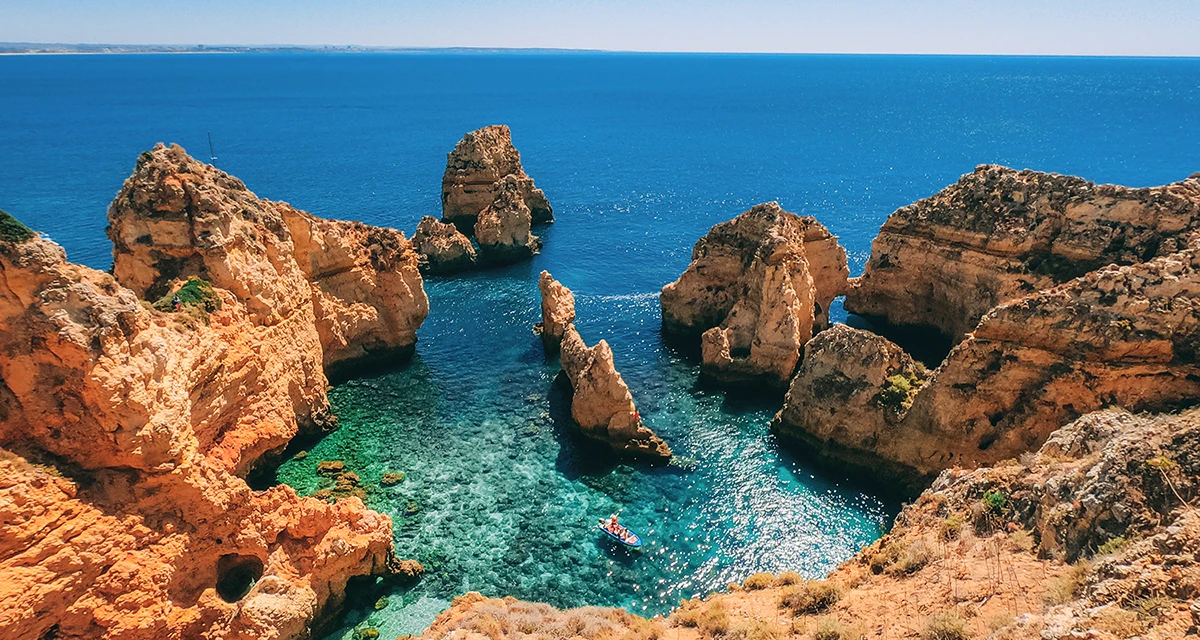
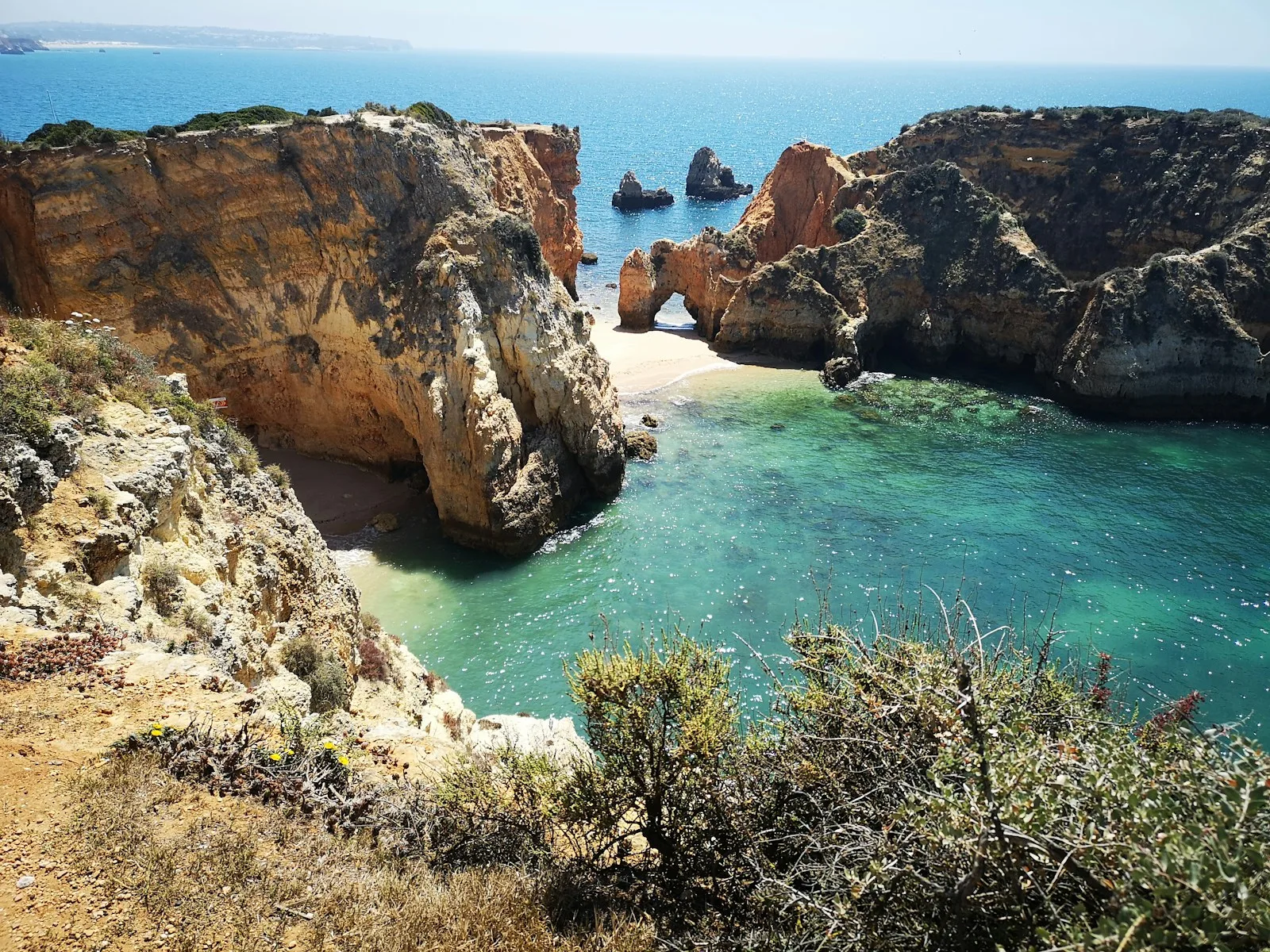
Stretching along the western edge of the Iberian Peninsula, Portugal packs an incredible amount of diversity into a relatively small space. Portugal is slightly smaller than the state of Indiana. It has a total area of approximately 92,212 square kilometers and a coastline stretching over 800 kilometers. You’ve got dramatic cliffs crashing into the Atlantic Ocean, rolling plains in the south, vineyard-covered hills in the north, and mountainous regions inland.
The golden beaches are legendary — especially along the coast — and they’re some of the best I’ve seen anywhere in Europe. Inland, the central region of Portugal offers quieter towns, forests, and river valleys that feel untouched by mass tourism. Each region, from the north to the Algarve, has its own distinct character and cultural heritage.
The climate is another reason travelers fall hard for Portugal. Expect a mild Mediterranean climate with over 200 days of sun per year, pleasant summers, mild winters, and plenty of sunshine. Portugal observes daylight saving time, switching to Western European Summer Time during the summer months. Even during the cooler months, Portugal feels alive, walkable, and inviting.
Then there are the islands. The Azores and Madeira regions sit out in the Atlantic Ocean like secret worlds of their own — volcanic landscapes, lush greenery, and dramatic coastlines that feel more like fantasy than Europe. Mount Pico, located in the Azores, is Portugal’s highest peak. However, Cabo da Roca on the mainland marks the westernmost point of continental Europe.
Portugal’s territory is administratively divided into 308 municipalities, which are further subdivided into civil parishes. The national government oversees these divisions, ensuring effective governance across all regions.
Language and Communication
In Portugal, language is more than just a means of communication. It’s a living thread that connects the country to its past, its people, and the wider world. The Portuguese language is the official language of Portugal. The language shapes everything from government proceedings to daily conversations in bustling markets and quiet cafés. You’ll hear Portuguese everywhere, but don’t be surprised if you catch a few regional dialects or even Mirandese, a co-official language in some parts of the country, adding to the local flavor.
What’s remarkable is how the Portuguese language extends far beyond Portugal’s borders. As an official language of the European Union, Portuguese is spoken in several countries across the globe. Including Brazil, Angola, and Mozambique, creating a linguistic bridge between continents. This global reach is a point of pride for the country and a testament to its history as a nation of explorers.
For travelers, communication in Portugal is refreshingly easy. You may hear English in major cities and tourist destinations, and the younger generation is particularly adept at switching between languages. Whether you’re navigating the metro in Lisbon or chatting with locals in a small town, you’ll find that a friendly “Olá!” goes a long way.
Portugal’s communication infrastructure is modern and reliable, with widespread internet access, mobile coverage, and a vibrant media landscape. From national newspapers to local radio, the country stays connected — both within its borders and to the wider European and global community.
Culture and Traditions

Portugal’s rich culture is rooted in family, tradition, and community. It’s not flashy. It’s sincere.
Food plays a central role in daily life, and I quickly learned that meals here are social events, not fuel stops. Expect fresh seafood, long lunches, and recipes passed down through generations. Grilled sardines are practically a national symbol, especially during summer festivals. Portuguese cuisine is incredibly diverse, and dry cod, known as bacalhau, is a staple—locals say there are 365 different ways to prepare it, one for each day of the year.
And then there’s Port Wine.
Douro Valley Port Wine
Produced exclusively in the Douro Valley, Port Wine is more than a drink — it’s history in a glass. The terraced vineyards of the Douro Valley are a UNESCO World Heritage Site, and once you see them in person, you’ll understand why. Portugal is home to 17 UNESCO World Heritage Sites, each playing a vital role in tourism and cultural identity. I’ve spent afternoons tasting different styles of Port Wine, listening to stories of harvests, families, and traditions that stretch back centuries.
Portuguese Music
Portugal’s music scene includes various genres, with Fado being the most recognized, alongside pop, rock, and classical music.
Music matters here too. Fado — Portugal’s soulful urban folk music — is a traditional genre that originated in Lisbon in the 19th century, associated with themes of longing and nostalgia. It is recognized by UNESCO as Intangible Cultural Heritage. Portugal’s music scene is diverse, including pop, rock, and classical genres alongside Fado, which captures longing, nostalgia, and pride in a way that feels deeply Portuguese.
Portugal’s Art Scene
Portugal has a vibrant arts scene, especially in Lisbon, where art is everywhere—from visual arts and galleries to street art and public art installations. The traditional azulejo ceramic tiles are a significant element in Portuguese architecture and design, often adorning buildings and public spaces. The country’s rich literary tradition includes renowned authors like Luís de Camões, Fernando Pessoa, and Nobel Prize winner José Saramago. Portugal’s historic universities, such as the University of Coimbra, play a key role in academic and cultural life, contributing to scientific research and international collaboration.
Coffee culture is strong here, with espresso being a popular choice enjoyed throughout the day. Portugal’s culture also emphasizes warmth, a laid-back lifestyle, and the importance of family. At New Year’s, it’s traditional to eat twelve raisins, each symbolizing a wish for every month ahead.
Portugal’s progressive stance on LGBT rights is reflected in legal protections for sexual orientation, including anti-discrimination laws and the legalization of same-sex marriage. The country’s cultural legacy is far-reaching, with around 250 million native Portuguese speakers worldwide, and its imperial history continues to shape modern cultural and linguistic ties with former colonies.
Portugal doesn’t perform its culture for tourists. It lives it.
Demographics and Urbanization

Portugal may be a small country, but its cities pulse with life and diversity. With a population of around 10 million, most people call urban areas home, especially in the capital city of Lisbon and the northern hub of Porto. These cities are not just economic engines — they’re cultural powerhouses, brimming with museums, universities, and a rich culture that’s felt in every neighborhood.
Urbanization is a defining trend in modern Portugal. As people seek new opportunities and a higher quality of life, the country’s urban areas have grown into vibrant, cosmopolitan spaces. Lisbon, with its iconic hills and riverside views, and Porto, famous for its historic center and creative energy, are both magnets for locals and newcomers alike.
Yet, Portugal’s story is also one of diversity. The country welcomes people from across Europe, Africa, Asia, and South America, creating a dynamic blend of traditions, cuisines, and perspectives. This multiculturalism is woven into the fabric of daily life, from the flavors in a local market to the festivals that light up city streets.
Despite its urban growth, Portugal maintains a relaxed pace and a strong sense of community. The population is aging, with many families cherishing their roots in both city apartments and rural villages. Whether you’re exploring the lively streets of Lisbon or the quieter corners of the south, you’ll find a country that balances modernity with tradition, and local pride with a welcoming spirit.
Economy and Infrastructure
Portugal’s economy is a blend of tradition and innovation, shaped by its place on the Atlantic coast and its role within the European Union. The country’s economic heartbeat is found in its cities, where industries like textiles, footwear, and cork production thrive alongside a booming tech sector and a world-renowned tourism industry.
Travelers are drawn to Portugal not just for its rich culture and historic charm, but also for its modern conveniences. The Douro Valley is a testament to the country’s agricultural heritage, producing the legendary port wine that’s shipped around the world. Meanwhile, the Atlantic coastline and scenic landscapes make Portugal a top destination for those seeking both relaxation and adventure.
Getting around is a breeze thanks to Portugal’s well-developed infrastructure. The country boasts an extensive network of highways, efficient public transportation, and several international airports that connect it to the rest of Europe and beyond. Seaports and a comprehensive rail system make travel between cities and regions smooth and accessible.
Portugal is also looking to the future, investing heavily in renewable energy like wind and solar power. This commitment to sustainability is visible in both urban and rural areas, reflecting a national drive to protect the environment and meet ambitious climate goals.
Whether you’re visiting for business or pleasure, Portugal’s strong economy and modern infrastructure make it an inviting and accessible country — one that’s as forward-thinking as it is steeped in history.
Travel Information

Portugal is one of the easiest European countries to explore, and that’s something I noticed almost right away. Getting around is simple thanks to an affordable and well-connected transportation network that links major cities like Lisbon and Porto with smaller towns and regional destinations. Trains and buses are reliable, distances are short, and travel rarely feels complicated. English is widely spoken, especially in urban areas, which makes communication easy for international visitors.
Official Language, Currency Etc.
Add in the Euro as the official currency, solid infrastructure, and a relaxed pace of life, and Portugal quickly stands out as a stress-free destination in Europe where you can focus more on the experience and less on logistics.
Major Portuguese Cities
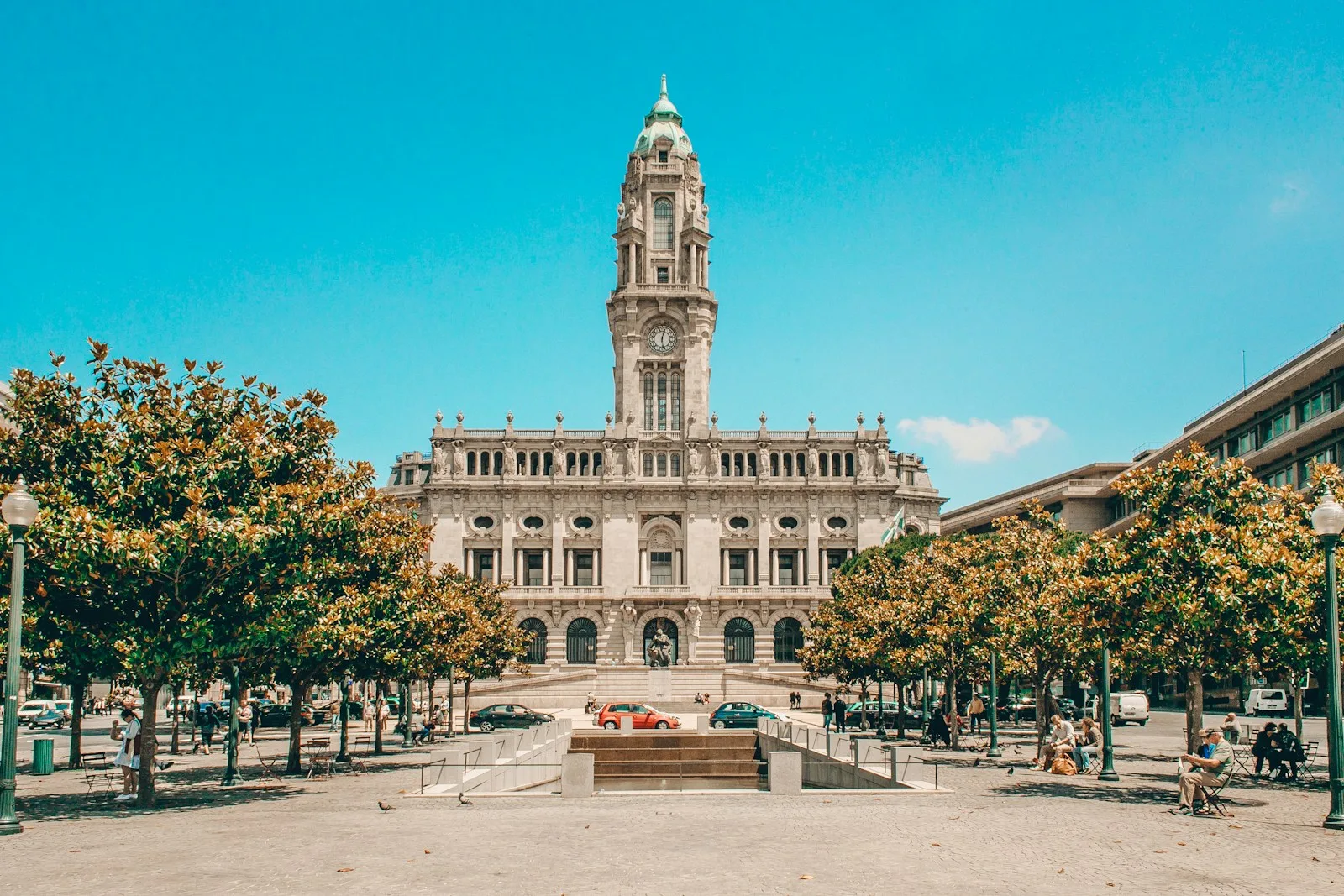
Major cities like Lisbon and Porto offer history, nightlife, culture, and food without feeling overwhelming. Portugal is among the top 20 most-visited countries in the world, receiving nearly 29 million foreign tourists by 2024. Popular tourist hotspots include Lisbon, the Algarve, and the Azores. Lisbon, the capital city, spreads across seven hills with trams rattling through neighborhoods that feel frozen in time. Porto, anchored by the Douro River, blends grit, charm, and — of course — Port Wine cellars.
Transportation is straightforward. Portugal has international airports, reliable trains, and buses connecting urban areas and smaller towns. Traveling between cities is affordable, efficient, and scenic.
Travelers enjoy a high level of personal security in Portugal, with Lisbon recognized as Europe’s safest capital city, providing peace of mind and comfort for visitors.
Official Currency
Money-wise, Portugal is refreshingly reasonable. While prices have risen, the cost of living and travel still sit below the EU average, making Portugal a great value destination in Europe. The official currency is the Euro, and merchants accept credit cards. If they do not accept your card there is typically an ATM nearby.
If you need healthcare in Lisbon, Santa Maria is the largest university hospital in Portugal, serving as a major healthcare facility in the country.
Safety and Security
Portugal consistently ranks as one of the safest countries in Europe. According to various crime statistics, Portugal has a high level of personal security. Thus it is an ideal destination for travelers seeking safety and peace of mind.
Personal Security
Violent crime is rare, and everyday travel feels relaxed and secure. Like anywhere, personal awareness matters — especially in busy urban areas — but I’ve always felt comfortable moving around both day and night.
The Public Security Police and the National Republican Guard maintain order, and Portugal’s healthcare system is modern and accessible, especially in larger cities like Lisbon and Porto.
Safety here feels effortless, which lets you focus on actually enjoying the trip.
Responsible Portuguese Explorer

Traveling responsibly in Portugal is simple — and deeply appreciated.
Supporting local businesses, respecting traditions, and slowing down instead of rushing from attraction to attraction creates a positive impact on the communities you visit. Portugal takes environmental protection seriously, with national parks and protected regions across the country. Each region, such as the Peneda-Gerês National Park or the Alentejo wine region, offers unique landscapes and cultural heritage, making them significant for responsible travel and sustainable tourism.
One of the best ways to experience Portugal is by stepping outside the major cities — visiting rural villages, local festivals, and lesser-known regions where hospitality feels personal and genuine.
Portugal welcomes travelers who come with curiosity and respect.
Atypical Last Thoughts

Portugal is the kind of country that sneaks up on you.
It’s not just the golden beaches, historic cities, or the world-famous Douro Valley. It’s the way Portugal balances its past and present, its connection to the Atlantic Ocean, and its role within Europe Portugal as a bridge between continents and cultures.
Port Wine, Lisbons HIlls or Portuguese Islands
Whether you’re sipping Port Wine, wandering Lisbon’s hills, exploring the islands, or chasing quiet moments in the countryside, Portugal leaves a mark.
And if you’re looking for a destination that offers depth, warmth, and unforgettable experiences — this might just be your next adventure.
Portugal doesn’t ask you to rush, impress, or conquer it. It asks you to sit down, take a breath, and stay awhile. And honestly? That might be exactly why it keeps pulling me back.
Subscribe
Are you an avid traveler seeking inspiration for your next adventure? Look no further than the Atypical Vagabonds newsletter. By subscribing to our newsletter, you gain access to a treasure trove of travel tips, destination guides, and captivating stories from around the globe. Our knowledge in exploring off-the-beaten-path destinations. We offer a refreshing perspective on travel, encouraging you to embrace the unconventional and discover unique experiences. Join the community today and let our wanderlust-inducing content inspire you. Therefore, you can embark on extraordinary journeys. Subscribe to receive their latest updates directly in your inbox and never miss a travel adventure again.
Donations
Love what you’re seeing on Atypical Vagabond? Help us keep the adventures coming! Consider donating through PayPal’s secure payment system. Every contribution goes a long way in fueling our mission to bring you more thrilling content and unforgettable experiences. Join us in shaping the future of travel—donate today!

Leave a Reply