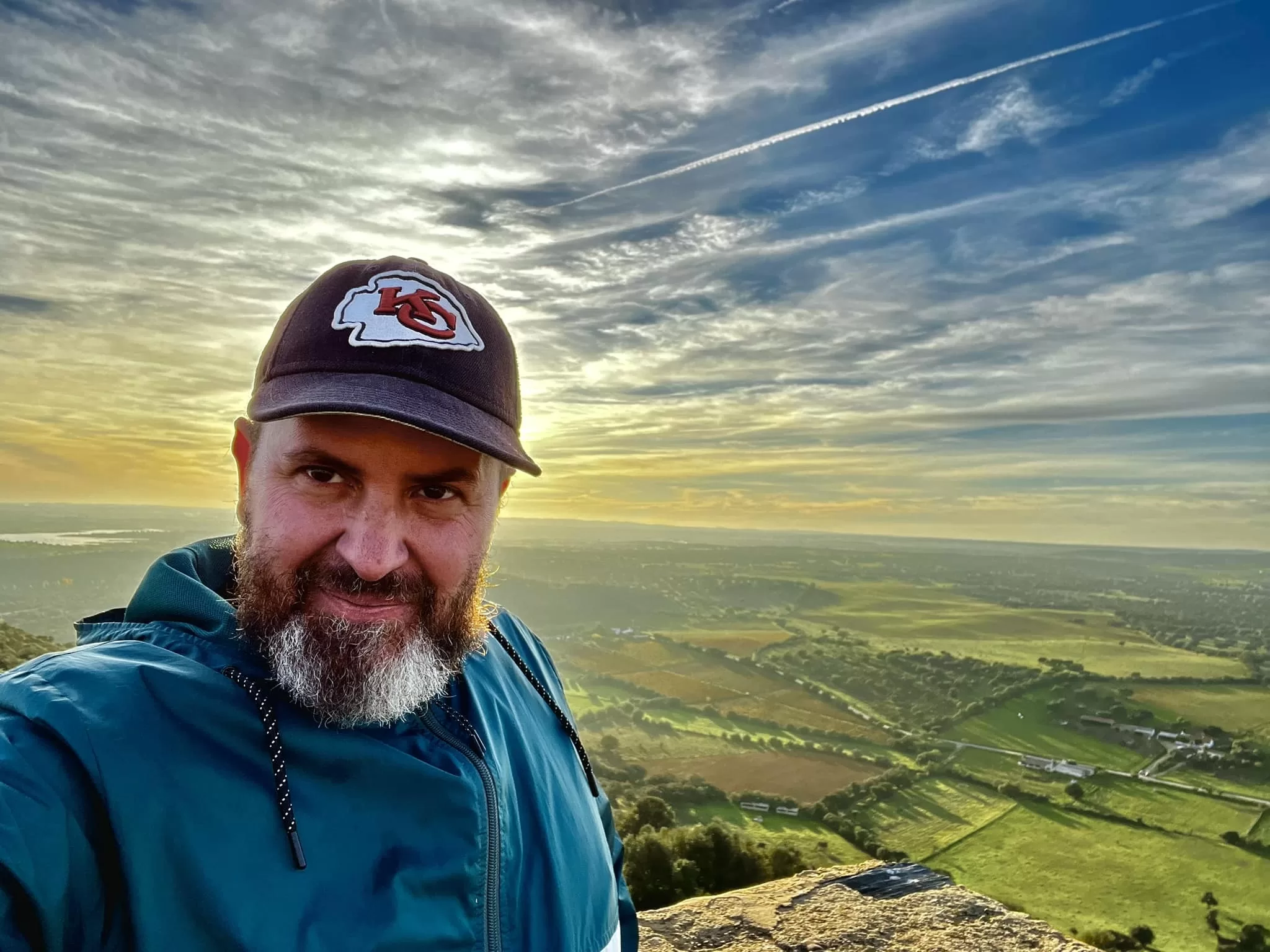
When I first dipped my toes into travel blogging, I honestly didn’t see it as a business. I thought of it as a passion project — a way to document my adventures, share tips with fellow wanderers, and maybe inspire someone else to take that leap into the unknown. But what I quickly realized is that travel blogging can be a legitimate career. It’s not just about the pretty Instagram photos or the once-in-a-lifetime trips — it’s about creating content that resonates, builds trust, and generates income. Many treat their blogs as businesses, focusing on travel blogging income and money blogging by developing multiple income streams. Earning money from a travel blog takes time and effort, but some successful travel bloggers have reached multiple six figures in annual income, showing just how far you can go in this field.
What’s even better is that travel blogging aligns perfectly with the digital nomad lifestyle. It allows you to be location-independent, to share your stories in real-time, and to earn while you explore. And yes, many bloggers have turned this into their full-time source of income. They diversify their revenue streams through affiliate marketing, brand collaborations, advertising, and their own digital products. If you’re wondering how to start your own profitable travel blog, let me break it down step by step.
Introduction to Travel Blogging

Travel blogging has evolved from a simple online diary into a powerful platform for sharing adventures, travel tips, and personal stories with a global audience. Today, a successful travel blog is more than just a hobby—it’s a real opportunity to make money travel blogging and even build a significant income. Many travel bloggers have turned their passion for exploring the world into a profitable business by leveraging multiple income streams such as affiliate marketing, sponsored posts, and advertising.
But building a successful travel blog doesn’t happen overnight. It takes dedication, creativity, and a strategic approach to stand out in a crowded field. Whether your goal is to earn extra cash on the side or to make money travel blogging full-time, you’ll need to focus on creating valuable content, connecting with your audience, and exploring different ways to monetize your blog. Achieving substantial traffic is a key hurdle for new bloggers, as most need considerable views to monetize effectively. In this guide, we’ll break down the essential steps and proven strategies to help you launch and grow a travel blog that not only inspires others but also generates real income.
Setting Up a Travel Blog

Choosing a Niche
One of the most common mistakes I see beginners make is trying to cover everything. “Travel” as a niche is far too broad. You’ll quickly get lost in a sea of blogs unless you carve out your unique space. Your niche is your corner of the internet, the lens through which you’ll tell your stories.
Here’s why a niche matters:
- It makes your content more focused.
- It helps you stand out in a crowded market.
- It attracts an audience who will keep coming back because they know what to expect from you.
Popular travel blogging niches include:
- Adventure travel: hiking, climbing, zip-lining, thrill-seeking.
- Luxury travel: five-star hotels, fine dining, and high-end experiences.
- Budget travel: backpacking, couchsurfing, and traveling cheap.
- Cultural experiences: food, history, local traditions.
- Digital nomads: resources, tips, and lifestyle content for people working remotely while traveling.
Understanding your target audience is key to choosing a successful niche, as it helps you tailor your content and affiliate partnerships to their interests and needs. The target audience of a travel blog must influence the design and content of the site.
Understanding your target audience is key to choosing a successful niche, as it helps you tailor your content and affiliate partnerships to their interests and needs.
When I chose my niche — slow travel and the digital nomad lifestyle — it wasn’t just because it was trending. It’s what I live every day. That authenticity makes writing about it sustainable and engaging. So my advice? Pick a niche you’re not only interested in but can also create consistent, valuable content around.
Building a Website

Once your niche is set, you need a home base for your content. Social media platforms are great for visibility, but you don’t own them. An algorithm tweak could wipe out your reach overnight. That’s why having your own website is essential.
I use WordPress because it’s versatile, SEO-friendly, and scalable. If you’re less tech-savvy, platforms like Wix or Squarespace are easier to set up. Regardless of your choice, your website needs to be:
- Professional: first impressions matter.
- User-friendly: simple navigation keeps readers around.
- Functional: fast-loading, mobile-optimized, and secure.
Your site should include:
- An About page where readers connect with your story.
- A Contact page so brands and readers can reach you.
- Social media links for community building.
- A blog with well-organized categories.
Don’t forget SEO basics from day one: search engine optimization is crucial for building a successful travel website. Optimize your site structure, choose a clean theme, and install plugins like Yoast SEO or Rank Math to help optimize your site for search engines and improve your visibility in search engine results.
Creating Quality Content

Writing Engaging Posts
Your blog lives and dies by its content. You can have the best design and sharp branding, but if your posts don’t connect, readers won’t return. What works is writing content that is both relatable and useful.
I always ask myself three questions before publishing:
- Am I telling a story only I can tell?
- Am I giving practical advice my readers can use?
- Am I showcasing my personality?
For example, when I write about Porto, I don’t just list attractions. I share the hidden gems, the mistakes I made, and the experiences that surprised me. That mix of storytelling and advice makes posts engaging. Travel bloggers can also pursue freelance writing for magazines or other blogs to diversify their income and showcase their expertise.
Other tricks that boost engagement:
- Write headlines that spark curiosity.
- Use lots of subheadings to break content into chunks.
- Add high-quality photos and optimize them with alt text.
- Place affiliate links naturally (never force them).
Optimizing for SEO
Let’s be real: if your blog doesn’t show up on Google, it’s invisible. SEO may sound intimidating, but it’s really about understanding what people are searching for and delivering it better than anyone else. Ranking higher in Google search results brings more targeted traffic to your blog, which is essential for monetization and reaching the right audience.
My SEO process looks like this:
- Keyword research: I use tools like Ubersuggest, Ahrefs, or even Google autocomplete to find terms like “things to do in Porto” or “best digital nomad visas.”
- On-page optimization: placing keywords in the title, meta description, headers, and image tags.
- Internal linking: connecting posts to keep readers exploring my site.
- Backlink building: writing guest posts or collaborating with other bloggers to build authority.
Pro tip: write content that answers specific questions. Posts like “How to Take the Train from Lisbon to Porto” often outrank broad guides because they solve a focused problem.
Monetization Strategies for a Successful Travel Blog

Once you’ve got readers, it’s time to monetize. Most bloggers start with small earnings, and the vast majority do not see significant income right away. To make money as a travel blogger, it’s important to diversify your income streams. There are many ways to make money with a travel blog, and travel blogging income can come from ads, affiliate marketing, sponsored posts, and more. The goal is to earn more money over time by optimizing and expanding your monetization strategies. Having multiple income streams ensures a stable income even if one stream dries up. This is where your blog evolves from passion to profit. Diversifying income sources across different strategies helps stabilize overall income for travel bloggers. Here’s a breakdown of income streams that have worked for me, complete with step-by-step examples and case studies from my own journey and other successful bloggers.
Step 1: Affiliate Marketing

Case Study: Travel Insurance
When I first started monetizing, I signed up for the SafetyWing affiliate program through an affiliate network. In my post about “Why Every Digital Nomad Needs Travel Insurance,” I included genuine experiences of when insurance saved me money. Readers clicked through, signed up, and I earned affiliate sales that contributed to my overall affiliate income. Digital products are a great way to make money as a blogger because you create them once, and sell them forever.
Step-by-step:
- Identify a product/service you actually use (travel gear, tours, insurance).
- Join affiliate networks to access multiple affiliate programs relevant to travel.
- Sign up for their affiliate program.
- Write posts that naturally feature the product (packing lists, guides).
- Insert affiliate links with disclosure for transparency.
- Track performance and optimize, focusing on affiliate income as a key metric.
Step 2: Sponsored Posts

Case Study: Boutique Hotel Collaboration
After building traffic and credibility, a boutique hotel in Porto reached out. They offered a free stay and payment for a sponsored post on my blog and sponsored content on my social channels. I wrote an honest review and shared highlights on Instagram, which drove bookings for them and income for me.
Step-by-step:
- Build traffic and credibility first.
- Create a media kit with your stats.
- Reach out to brands (or wait for them to contact you).
- Negotiate deliverables (sponsored content such as blog posts, social media posts, videos, or photography).
- Publish content that balances authenticity with brand goals.
Step 3: Advertising

Case Study: Display Ads with Mediavine
Once I hit 50,000 monthly sessions, I joined Mediavine, an advertising network. My ad revenue from display ads alone now helps cover flights and accommodation. Display ads generate money for your blog by monetizing your site traffic, and once your traffic is established, this can become a source of completely passive income. To join an ad network like Mediavine, bloggers typically need to achieve a certain level of monthly page views, often around 50,000 sessions.
There are several ad networks and advertising network options available, including Mediavine, AdThrive, and Google AdSense. Google AdSense is easier to qualify for but usually offers lower ad revenue and can slow down your site, while networks like Mediavine and AdThrive require more traffic but provide higher earnings and better site performance.
Step-by-step:
- Build traffic (Google SEO and Pinterest are great for this).
- Apply for an ad network (Mediavine, AdThrive, Google AdSense).
- Place ads strategically without overwhelming readers.
- Monitor RPM (revenue per mille) and optimize.
Step 4: Digital Products

Case Study: Portugal Travel Guide
I created an interactive PDF guide for “Hidden Gems in Portugal.” This guide is a digital product that sells for $15 and continues to generate passive income. Selling digital content, such as eBooks, printable travel planners, and travel guides, is an effective monetization strategy for bloggers, allowing them to monetize their expertise while providing value to their audience.
Step-by-step:
- Identify your audience’s pain point (e.g., “I don’t know how to plan a trip to Portugal”).
- Create a product that solves it (eBook, online course, checklist).
- Sell it on your blog or platforms like Gumroad.
- Promote it via email and social media.
- Collect feedback and update it to increase value.
Step 5: Email Marketing

Case Study: Weekly Nomad NewsletterBy offering a free “Digital Nomad Packing Checklist,” I built an email list of 5,000+ subscribers. Through weekly updates and affiliate promotions, I created consistent income while building deeper connections.
Step-by-step:
- Create a free lead magnet (packing list, guide, template).
- Use tools like ConvertKit or MailerLite.
- Send consistent, value-driven newsletters.
- Introduce affiliate links or promote your own products to generate affiliate sales and affiliate income.
- Segment your audience for better targeting.
Building an Audience and Community

Engaging with Readers
Community building is at the heart of travel blogging. I don’t just write and vanish — I interact. Replying to comments, answering emails, and running polls on Instagram and other social media channels are simple but powerful ways to build loyalty and reach a broader audience.
I also created a Facebook group where like-minded travelers connect, ask questions, and share advice. This not only grows community but keeps my blog top of mind. Engaging with a dedicated social media audience is crucial for attracting sponsorship deals and paid partnerships.
Email Marketing
I’ll say it again: start your email list early. Offer a lead magnet, like a free packing checklist or a city guide, in exchange for an email. Then, use automation tools like ConvertKit or MailerLite to stay in touch. Consistency in posting content keeps the blog fresh in the audience’s memory.
My email campaigns mix storytelling with value. One week, I’ll share an adventure; the next, I’ll highlight a helpful travel product with an affiliate link. Over time, subscribers trust me — and that translates into both loyalty and income.
Growing Your Travel Blog

Analyzing Performance
Numbers don’t lie. Tools like Google Analytics tell me what’s working, what’s not, and where I need to pivot. I check:
- Which posts get the most traffic.
- Which strategies or posts bring in the most money.
- Where my traffic comes from (Google, Pinterest, referrals).
- How long readers stay on a page.
With this data, I double down on high-performing topics, especially those that generate the most money, and improve weak spots. For instance, if a post is ranking on page two of Google, I’ll update it with fresh content, more images, or stronger SEO to push it higher.
Staying Up-to-Date with Industry Trends
Travel blogging evolves constantly. A few years ago, Pinterest was king for traffic. Now, TikTok and Instagram Reels drive massive discovery. I stay relevant by:
- Attending conferences and workshops.
- Joining blogger forums and digital nomad groups, where having a reliable internet connection is essential for keeping up with industry trends and networking.
- Following industry leaders for insights.
Remaining adaptable is what separates hobbyists from professionals.
Becoming a Travel Blogger

Starting a travel blog isn’t about chasing quick money. It’s about building something sustainable. You need passion for writing, photography, and travel, yes — but you also need patience. Many new bloggers can expect several years of effort before seeing meaningful income from their blogs. The first months (or even years) can be slow. But if you stick with it and remain consistent and dedicated, achieving success is only a matter of time. Your blog can become both a creative outlet and a profitable business.
Remember:
- Consistency is everything.
- Authenticity builds trust.
- Diversified income creates stability.
For me, it began as simply sharing stories with friends. Now, it’s my livelihood. That’s the beauty of travel blogging: it grows with you.
Monetization Strategies for Travel Blogging
When I first started sharing my adventures, I never imagined I could turn my travel stories into income. But the truth is, if you treat your blog like a business, it can absolutely support your digital nomad lifestyle. Here’s how I’ve learned to approach monetization:
Affiliate Marketing
One of the simplest ways I began earning was through affiliate links. By recommending gear I actually use—like carry on luggage, portable chargers, or even travel insurance providers—I could earn a small commission when readers clicked and purchased. The key is honesty: I only promote products I’ve tested on the road.
Sponsored Content and Partnerships
As my audience grew, brands started reaching out. At first, I thought “this isn’t for me.” But partnering with hotels, tourism boards, or adventure companies can be a win-win if you maintain authenticity. I always ask myself: Would I use this even if I wasn’t paid? If the answer’s yes, I know it’s worth sharing.
Digital Products and Services
From unique travel tips eBooks to city guides and printable checklists, digital products became an incredible revenue stream. I’ve also experimented with work exchange consulting and even launched a Patreon where supporters get behind-the-scenes content. For me, this has been one of the most rewarding ways to connect with fellow travelers.
Challenges of Travel Blogging

Travel blogging looks glamorous from the outside, but behind the Instagram sunsets are real challenges. I’ve stumbled through them all—and here’s what I wish someone had told me:
Staying Consistent on the Road
Life on the road is unpredictable. Wi-Fi crashes, buses run late, and sometimes you’re too sick or too tired to write. The challenge is balancing the fun of discovery with the discipline of creating content. I’ve learned to stay organized by batching writing during quiet evenings or long travel days.
Financial Uncertainty
Unlike a regular paycheck, income from blogging fluctuates. Some months are great; others make you question if you can afford your next trip. Budgeting with wiggle room and diversifying income streams is essential. It’s not always easy, but it builds resilience.
Dealing with Oversaturation
The blogging world is crowded. With so many voices, it’s tempting to compare yourself to others. But the truth is, your story—your first trip, your mistakes, your lessons—is what makes your content stand out. Authenticity is your advantage.
Building an Audience and SEO

If monetization is the engine, then audience growth is the fuel. Without readers, even the best blog post won’t get traction. That’s where SEO and community-building come in.
Writing for People First, Algorithms Second
Early on, I chased keywords without thinking about my readers. Now, I focus on stories that first time travelers find helpful, and then I optimize with SEO. This balance keeps content engaging while still ranking on Google.
Using SEO Tools and Strategy
I rely on tools like Surfer SEO and Google Search Console to guide my keyword placement. From phrases like “traveling abroad” to “best food in [city],” SEO helps me target what adventurers are already searching for. It’s not about stuffing keywords—it’s about weaving them naturally into helpful posts.
Building Community Through Engagement
Beyond SEO, an audience grows when you connect. I reply to comments, share behind-the-scenes moments on social media, and ask questions to spark conversations. Over time, readers stop being just traffic—they become friends and fellow travelers. And that connection is what keeps them coming back.
Press trips

Getting involved in press trips as a travel blogger can be an amazing way to grow your brand, but it takes time and strategy. Here’s a breakdown from my perspective as someone who’s navigated the world of pitching, partnerships, and press invites:
What Are Press Trips?
Press trips (also called FAM trips or “familiarization trips”) are when tourism boards, hotels, or travel companies invite bloggers, journalists, or influencers to experience a destination or service—often covering flights, hotels, activities, or meals—in exchange for coverage. The goal is to showcase the destination or brand to your audience through articles, videos, or social media.
Step 1: Build Authority First
Before invitations come your way, you need to demonstrate that your content has reach and influence. That means:
- Publishing consistent travel tips, guides, and storytelling content on your blog and YouTube.
- Growing your following on social platforms where fellow travelers are active (Instagram, TikTok, YouTube, Pinterest).
- Showing you know SEO and can get your content ranked (tourism boards love bloggers who appear in Google search results).
Pro tip: Start by writing unique travel tips about local or regional destinations. It’s easier to get noticed for a press trip in your home region before landing invites to South East Asia or Europe.
Step 2: Pitch Yourself
Don’t wait around for an invitation. I’ve reached out directly to:
- Tourism boards (city, regional, or national).
- Hotels and resorts looking for content creators.
- Event organizers (like cultural festivals or food fairs).
When you pitch, include:
- Your media kit (audience size, demographics, reach).
- Examples of past campaigns or partnerships.
- A clear proposal (e.g., “I’ll create a blog post + 2 Instagram reels highlighting your cooking class and the best food spots in your city.”).
Step 3: Network and Collaborate
Connections often lead to opportunities. Ways I’ve built relationships:
- Attending travel conferences like TBEX or WTM.
- Joining Facebook groups for travel bloggers where press trip opportunities are shared.
- Collaborating with other creators who already get invited—they often recommend people.
Step 4: Deliver Value and Build Reputation
When you do land your first press trip, treat it professionally:
- Overdeliver on content (go beyond one blog post—share photos, reels, maybe a YouTube video).
- Meet deadlines and honor agreements.
- Send analytics reports afterward showing the reach and impact.
Tourism boards talk. If you deliver, more opportunities will come your way.
✅ Big takeaway: To get press trip invites, you need a strong platform, a clear niche, and proof you can bring value. It’s less about “how big” you are and more about whether you can tell a compelling story about a destination to the right audience.
Atypical Last Thoughts

Travel blogging isn’t a fantasy. It’s not about sipping cocktails on the beach while typing a paragraph and watching the cash roll in. It’s work — creative, rewarding work — that demands consistency, strategy, and resilience. But it’s also one of the most fulfilling careers you can imagine if you love travel.
By choosing a niche, building a professional site, creating quality content, leveraging SEO, and diversifying income streams, you can absolutely transform your blog into a business. Add community building, email marketing, and ongoing learning into the mix, and you’ll be well on your way to success.
I started with nothing but a backpack and a WordPress login. Today, I fund my adventures through my blog, partnerships, and products. If I can do it, so can you.
If you dream of blending travel, storytelling, and entrepreneurship, a travel blog is the perfect vehicle. Don’t wait for the “right time” — the right time is now. Publish that first post, connect with readers, and learn as you go.
Because who knows? Your words might just inspire someone to book their first adventure. And in the process, you’ll create a career that lets you explore the world on your own terms. So take the leap and pursue travel blogging as a rewarding and viable career path.
Conclusion

In conclusion, making money travel blogging is absolutely achievable for those willing to put in the work. Building a successful travel blog requires more than just a love for travel—it demands high-quality content, genuine engagement with your audience, and a willingness to diversify your income streams. By staying consistent, embracing new trends, and continually refining your approach, you can transform your travel blog into a profitable business that brings in significant income.
Follow your passions
Remember, the journey to becoming a successful travel blogger is filled with learning and growth. Don’t be afraid to experiment with new strategies, invest in your skills, and adapt to the ever-changing world of travel blogging. With persistence and passion, you can enjoy the freedom of making money while exploring the world, and turn your travel blog into a sustainable source of income. Whether you’re just starting out or looking to scale your blog, the possibilities are endless—so take that first step and start building your own successful travel blog today.
Meet Carter
I’m Carter, an American traveler living in Portugal and the creator of Atypical Vagabond. After selling my technology business, I traded the conventional path for slow travel, life abroad, and a slightly unreasonable number of long walks across Europe. I share honest Portugal guides, Camino stories, digital nomad advice, and practical lessons to help you explore the world with greater confidence and purpose.
Subscribe
Looking for honest travel inspiration without the polished influencer nonsense?
Join the Atypical Vagabond newsletter for offbeat destination guides, Portugal travel tips, digital nomad lessons, slow travel stories, and the occasional reminder that the ordinary path is wildly overrated.
I share the victories, wrong turns, hidden gems, and real-life chaos that come with building a life around travel. No corporate fluff. No recycled bucket lists. Just useful advice, personal stories, and unconventional adventures designed to help you travel deeper, stay curious, and create your own damn route.
Subscribe and let’s reject the ordinary together.
Donations
Enjoying the stories, guides, videos, and occasional travel disaster here at Atypical Vagabond?
A small donation helps cover the real costs behind the adventures—from transportation and website hosting to camera gear, research, and enough coffee to keep the next guide moving.
There are no giant sponsors pulling the strings and no polished corporate travel machine hiding backstage. Your support helps me continue creating honest travel stories, practical Portugal guides, digital nomad advice, and unconventional adventures for travelers who prefer the road less rehearsed.
Every contribution helps keep Atypical Vagabond independent.
Fuel the next adventure through PayPal—and help me keep rejecting the ordinary.