

Cheap Places to Stay How to Find Affordable Accommodation Anywhere
I do not chase the lowest number on a booking screen. I look for the stay that gives me the best mix of price, location, sleep, flexibility, and freedom to actually enjoy the trip.
Accommodation is usually the line item that tries hardest to hijack my travel budget. After years on the road—and now living in Portugal—I have stopped treating the first price a booking site shows me as some kind of sacred truth.
Walking the Camino Francés with Sage reinforced that lesson. Simple pilgrim accommodation kept a long journey affordable, but there were also days when tired legs made a private room, dependable laundry, or one quiet night worth far more than saving another ten euros.
Fees, transportation, food, laundry, and time all belong in the calculation.
I choose where I want to be first, then figure out which type of accommodation fits.
Better sleep, a useful location, or laundry can protect the rest of the trip.
What Are the Best Cheap Places to Stay?
I do not think there is one “best” cheap place to stay. I start with the trip in front of me. A hostel may make sense for a short solo city stop, while an apartment can become cheaper for a couple, family, or group once a kitchen and laundry enter the equation.
That is why I compare the complete cost instead of chasing the lowest nightly rate. Transportation, cleaning fees, breakfast, kitchen access, cancellation terms, and the time required to reach the places I came to experience all count. A bargain that steals half my day is not much of a bargain.
Best for solo + social travel
Usually the first place I check when I am traveling alone and want the lowest conventional room cost.
My take: Private hostel rooms can be excellent for couples too, but I always compare them with nearby guesthouses first.
Best for privacy + local character
Guesthouses are often my sweet spot in Europe: more personal than a hotel and quieter than a hostel.
My take: In Portugal, smaller guesthouses are often where I find the best balance of price, location, and actual sleep.
Best for easy + predictable travel
Sometimes I do not need charm. I need a key, a shower, a private room, and a check-in desk that works.
My take: After a brutal travel day, predictable can be worth paying slightly more for.
Best for groups + longer stays
Apartments often win when a kitchen, washing machine, and extra space start reducing the rest of the travel budget.
My take: The nightly price may look higher, but the complete trip can be cheaper once food and laundry enter the equation.
The Cheapest Room Is Not Always the Cheapest Stay
I compare the complete cost of accommodation—not the number that gets me to click on the listing.

What usually gives you the best value?
| Stay type | Best for | Cost | Big win | Tradeoff |
|---|---|---|---|---|
| Hostel dorm | Solo travelers | € | Cheap + social | Less privacy |
| Private hostel room | Couples | €€ | Privacy + social spaces | May cost as much as a hotel |
| Guesthouse | Couples + slow travel | €€ | Local atmosphere | Fewer amenities |
| Budget hotel | Short stays | €€ | Easy + predictable | Location varies |
| House sitting | Slow travel | Nearly free | Home + kitchen | Responsibilities |
| Apartment | Groups + long stays | €€–€€€ | Kitchen + laundry | Fees can hurt |
| Work exchange | Longer stays | € / nearly free | Cultural immersion | Your time has value |
| Monastery stay | Quiet travelers | € | Simple + memorable | Curfews or rules |
Bottom line: I would rather pay €10 more for the room that makes the entire trip easier than save €10 and spend the next day fighting the accommodation.
Free or Nearly Free Places to Stay While Traveling
Some of the cheapest places to stay do not charge a traditional nightly room rate. Instead, you exchange something else: time, pet care, access to your home, work, flexibility, or simply being part of someone else’s daily life.
Stay with a local
A host offers a sofa, spare room, or sleeping space. The biggest value is often the local connection rather than the free bed.
Trade responsibility for a home
Care for pets, plants, or a home while the owner is away. This can work especially well for slower travel.
Swap homes instead of rooms
Exchange your home directly or through a points system and live in the destination rather than simply staying there.
Trade time for accommodation
Farms, hostels, ecological projects, and community programs may exchange accommodation for agreed working hours.

Before You Commit to One of These Stays
Open the option you are actually considering instead of reading four mini-essays you may never need.
01 Hospitality Exchanges Local connection · Shared space
Hospitality exchanges connect travelers with locals willing to share a sofa, spare room, or other sleeping space.
Two established places to begin are Couchsurfing and BeWelcome .
Treat the arrangement as hospitality—not a complimentary hotel with an unusually talkative concierge.
- Complete your profile honestly
- Read the host’s full profile
- Check recent references
- Confirm the sleeping arrangement
- Discuss arrival and departure times
- Keep a backup place to stay
Want the cultural side of this? Read my guide to connecting with locals →
02 House Sitting Home comfort · Real responsibility
House sitting can be one of the best accommodation options for slow travelers because a real home usually gives you a kitchen, laundry, and more living space.
Start by comparing assignments and membership terms at TrustedHousesitters and MindMyHouse .
Do not apply because the garden looks pretty. The pets, transportation, internet connection, and daily responsibilities determine whether the sit actually fits your trip.
- Exact dates
- Every pet-care responsibility
- How long animals can be alone
- Medication or special needs
- Transportation from the property
- Internet reliability
- Emergency contacts
- Any additional fees
Planning to work while traveling? See my Digital Nomad Guide →
03 Home Exchanges Full home · More coordination
A home exchange can be particularly useful for families and longer stays because you may gain bedrooms, laundry, a kitchen, and the feeling of temporarily living in the destination.
The tradeoff is coordination. Dates, expectations, access, cleaning, pets, keys, and building rules all need to be clear before anyone leaves home.
- Cleaning responsibilities
- Damages and deposits
- Pets
- Parking
- Building rules
- Utility use
- Key collection
- Emergency contacts
Goodwill is wonderful. Goodwill with clearly agreed expectations is even better.
04 Work Exchanges & Farm Stays Immersion · Your time matters

Work exchanges may involve farms, hostels, ecological projects, language practice, community programs, or property maintenance.
WWOOF connects travelers with organic farms through cultural and educational exchanges.
If you want rural accommodation without necessarily trading labor for the room, Farm Stay UK is another useful resource.
- Hours per day
- Days per week
- Exact tasks
- Whether meals are included
- Private or shared room
- Distance from transportation
- Additional fees
- What happens if it is a bad fit
Trying to make the whole trip cheaper? Read my travel-budget guide →
When is free accommodation actually worth it?
- The arrangement already fits the trip
- The location works
- The responsibilities feel reasonable
- You actually want the experience
- You are redesigning the trip for the free bed
- Transportation wipes out the savings
- The responsibilities limit everything you want to do
- You are only saying yes because it costs €0
Someone may not request money, but they are still trusting you with their home, animals, property, or time. Respecting that exchange is what makes the stay worthwhile.
The Best Cheap Places to Stay You Can Book
Not every budget trip requires sleeping on a stranger’s sofa or caring for an emotionally complicated dachshund. Hostels, guesthouses, budget hotels, and apartments are still some of the most reliable ways to keep accommodation costs under control.
The low-cost classic
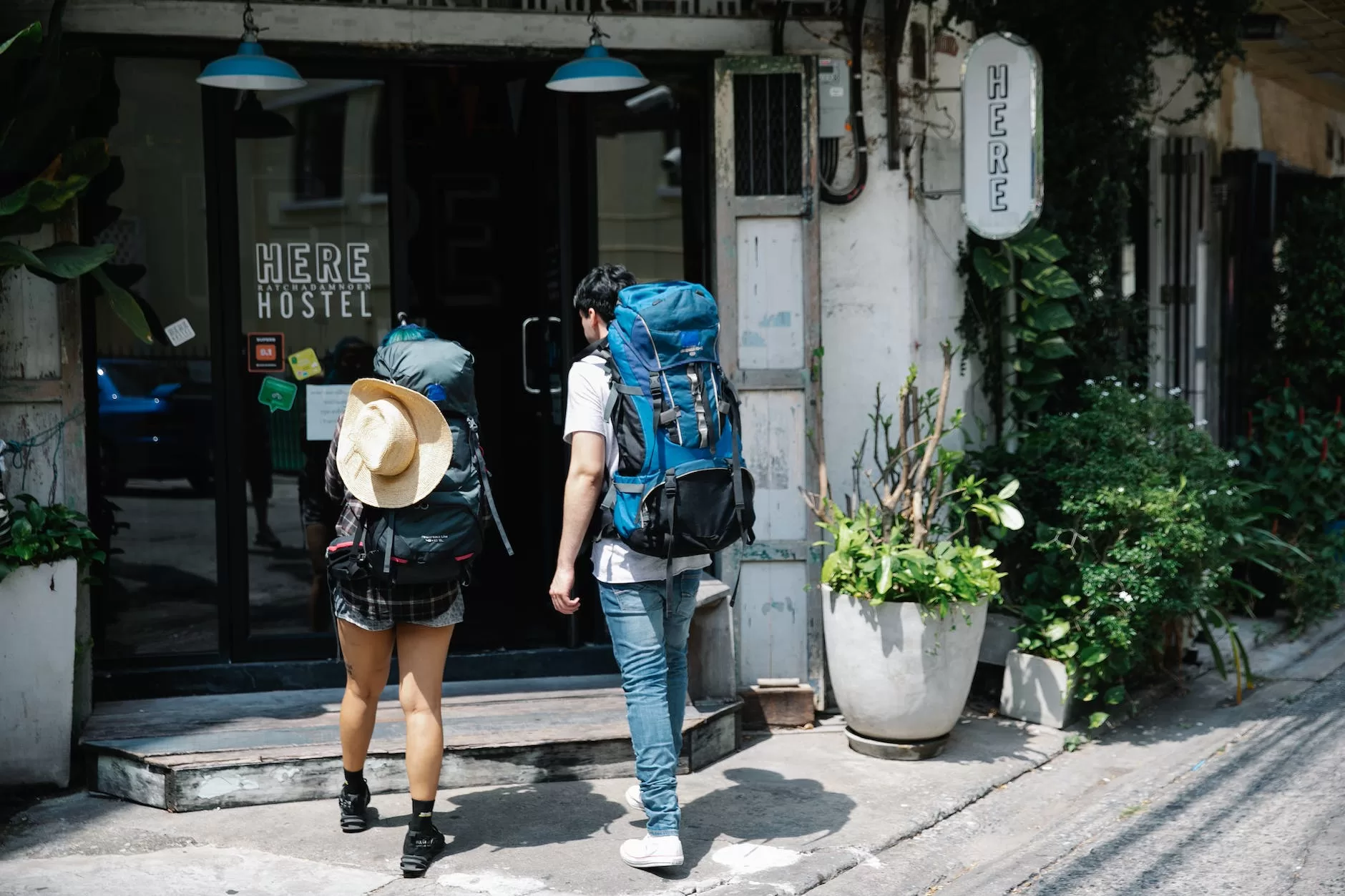
Hostels are usually the first place I check for a short solo city stay. Dorm beds can keep costs low while kitchens and communal areas make it easier to meet other travelers.
Noise, lockers, dorm size, bathrooms, quiet hours
Dorm bed vs. private hostel room vs. guesthouse
My take: A private hostel room is not automatically a bargain just because somebody painted a guitar on the wall.
Compare hostels on Hostelworld →My favorite middle ground
Guesthouses are often smaller, quieter, and more personal than hotels while still giving me the privacy I want.
Look for terms such as alojamento local, pensões, and residenciais. The labels vary, so judge the actual property rather than the category name.
Private vs. shared bathroom, heating, air conditioning
Elevator access, breakfast, kitchen, modern insulation
My take: When I want affordability without surrendering privacy or sleep, guesthouses are usually where I start.
Sometimes predictable wins
Budget hotels work especially well for short stays, late arrivals, early departures, and travel days when personality matters considerably less than a functioning shower.
My take: After a delayed flight or brutal travel day, predictable can be worth considerably more than charming.
I also compare the hotel’s own website with the major booking platforms. Direct booking is not always cheaper, but it may include breakfast or better cancellation terms.
Look beyond the nightly rate
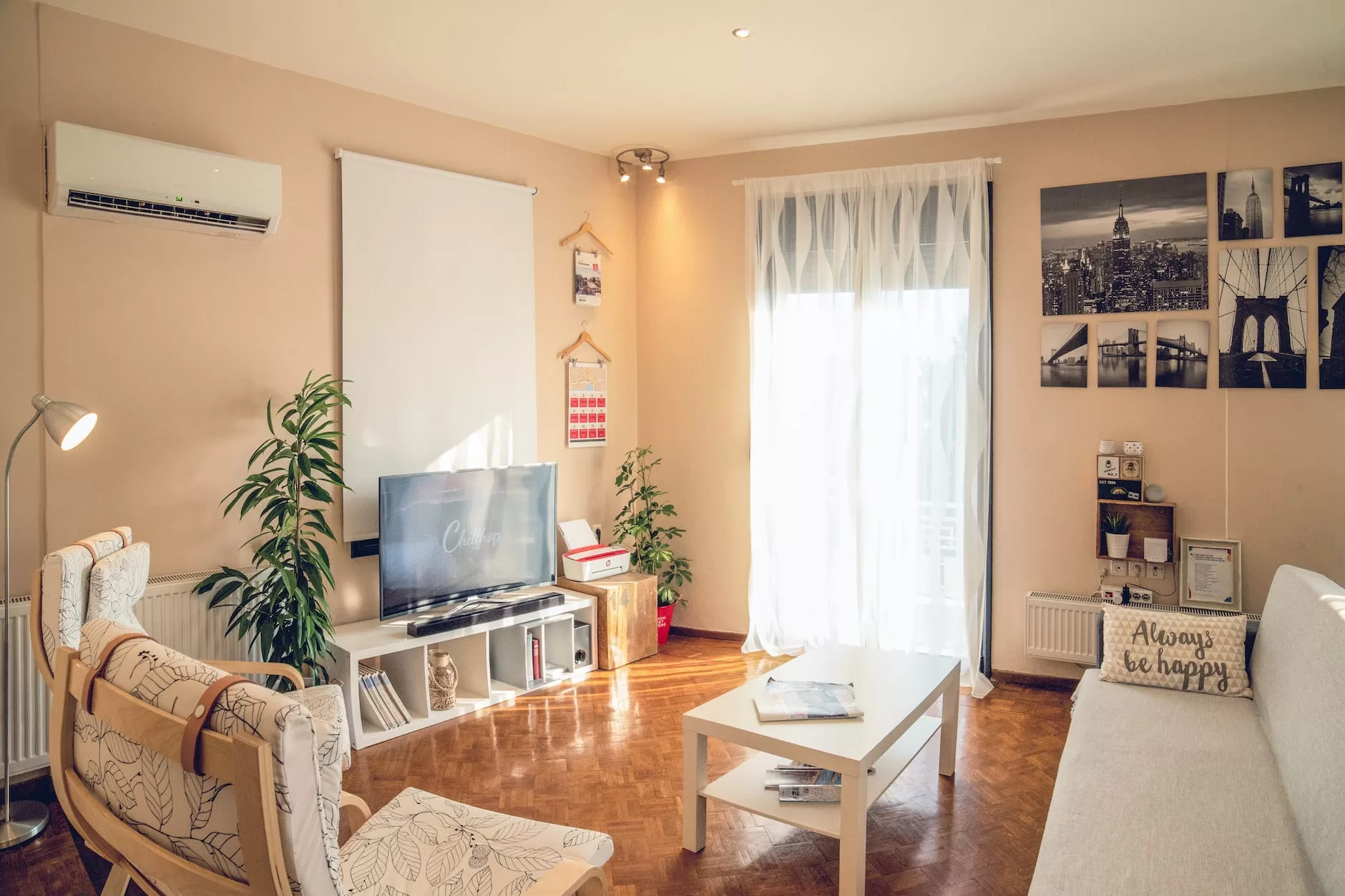
Apartments often make the most sense for families, groups, and longer stays because a kitchen, washing machine, refrigerator, and additional space reduce other travel costs.
- Three or more people
- Several nights or longer
- You plan to cook
- You need laundry
- You want living space
- Cleaning fees
- Service charges
- Deposits
- Difficult check-in
- No elevator
My take: For one or two nights, cleaning fees can destroy the value. For a week, the kitchen and washing machine can completely change the math.
This is where I would start
The best deal is the accommodation that supports the trip— not the room that forces the entire trip to revolve around surviving it.
Overlooked Cheap Places to Stay
Hostels and budget hotels dominate accommodation searches, but some of the most interesting values never make it onto the first page of a major booking platform.

Simple rooms in extraordinary places
Some monasteries, convents, retreat centers, and religious institutions offer rooms to travelers. You do not always need to be religious, although every property sets its own rules.
- Historic surroundings
- Quiet atmosphere
- Simple rooms
- Sometimes central locations
- Curfews
- Bathroom arrangements
- Meal schedules
- Whether tourists are welcome
My take: These stays appeal to me because they are often memorable without trying to manufacture an “experience.” They are probably not the place for an impromptu punk-rock afterparty.
Let the countryside be part of the trip
Farm stays range from rustic rooms on working farms to comfortable countryside guesthouses. Some are ordinary paid accommodations; others include meals or activities.
- Meals
- Kitchen access
- Rural experience
- Local food and agriculture
- No public transportation
- Expensive taxis
- Extra activities
- Unexpected work expectations
My take: A rural bargain stops being a bargain when every dinner requires a heroic taxi mission.
Student rooms when the students leave
Some universities rent vacant residence rooms to travelers during academic breaks, particularly during summer.
My take: University rooms are rarely glamorous. That is fine. I am looking for useful—not a chandelier.
Sometimes the expensive hotel becomes the cheap option
Hotel points can turn an otherwise expensive room into one of the cheapest stays available—especially during major events, expensive weekends, or last-minute trips.
My take: Loyalty programs should support the trip. The trip should not exist because a loyalty program convinced me I needed another night.
Stop asking only for “hotels near me”
Unusual accommodation often appears on tourism websites, university pages, regional directories, religious hospitality sites, and direct property websites before it appears on the biggest booking platforms.
"monastery accommodation in [destination]"
"university summer rooms in [city]"
"affordable farm stay near [destination]"
"religious guesthouse in [city]"
"student accommodation for tourists in [city]"
How I Find Cheap Places to Stay
I do not start by sorting from lowest price to highest. I start with the trip, then make the accommodation prove that it deserves a place in it.
Define the area before searching
I decide where I actually need to be before looking at room prices.
A room is only useful if its location works with the trip.
Compare different accommodation types
I check more than hotels because the cheapest category changes by destination, season, and number of travelers.
A private hostel room may cost more than the guesthouse next door.
Test flexible dates
One night earlier or later can completely change the average price.
Just make sure the cheaper hotel date does not create a more expensive flight.
Use the map view
I want to know where the bargain actually lives before I get emotionally attached to the price.
“Ten minutes from the center” may mean ten minutes by car—not on foot with luggage.
Compare more than one booking source
I check at least two booking platforms and then look at the property’s direct website when one exists.
Compare the same room, dates, cancellation terms, and meal plan.
Compare the final price
The search-result price is not the number I use. I go far enough through checkout to see the real total.
Divide the total by nights and travelers. Now you have a useful number.
Use reviews strategically
I do not read every review ever written. I look for repeated problems in recent reviews.
One furious guest means very little. Twenty people complaining about the same shower means something.
Check longer-stay discounts
Weekly and monthly pricing can change the nightly cost considerably.
Slow travel can reduce more than the room rate—it also cuts transportation churn.
The version I actually use
- 1 Pick the neighborhood or area.
- 2 Compare several accommodation types.
- 3 Open the map.
- 4 Check two booking sources.
- 5 Visit the property’s own website.
- 6 Compare the complete checkout price.
- 7 Read recent review patterns.
- 8 Book it and stop obsessing.
Accommodation Safety and Hidden Costs
Cheap accommodation stops being a bargain when it feels unsafe, creates surprise expenses, or leaves you standing outside a locked building at midnight wondering which life choice brought you here.
Make sure the place is real
- Recent reviews
- Consistent property name
- Exact address
- Realistic room photos
- Working contact information
- Clear cancellation terms
Do not let the “deal” get strange
- Use secure payment methods
- Keep booking confirmation
- Save refund terms
- Avoid surprise off-platform requests
- Question unusual bank transfers
- Never send gift cards or crypto
Know how you are getting inside
- Check-in hours
- Late-arrival process
- Key collection
- Building entrance
- Transit after dark
- Emergency contact
Cheap on the map can still be expensive
- Neighborhood after dark
- Public transportation
- Walking route
- Taxi / rideshare cost
- Stairs and hills
- Distance from food
These are the fees that quietly wreck the bargain
Some upgrades are not luxuries
I will pay more to avoid a sketchy walk or unreliable late-night transport.
Saving money loses its charm when I am useless the next day.
On physically demanding trips, comfort can protect the next day.
Walking everywhere can be cheaper than buying transit twice a day.
Suspicious payment requests, fake booking problems, and suddenly “closed” properties can be part of broader travel fraud.
Read my guide to common travel scams →Cancellations, illness, theft, and transportation problems can still happen even when you do everything right.
Understand travel insurance →My 10-second final check
If the answer is yes across the board, I stop hunting for perfection and book the room.
How My Definition of “Cheap” Changed
When I started traveling, I treated the lowest nightly price like the winner. Years on the road have made my definition of cheap considerably less obedient.
Rest can be worth paying for
Walking the Camino Francés with Sage reinforced something I had already started to learn: the cheapest bed is not automatically the best value.
Simple pilgrim accommodation helped keep a long journey affordable, and the shared spaces were part of the experience. But on difficult days, a private room, a good shower, dependable laundry, or one quiet night could protect the following day’s walk.
“Close” does not always mean convenient
Living in Portugal has made me suspicious of listings that say a property is “only a short walk away.”
Hills, cobbled streets, staircases, summer heat, and luggage can turn a reasonable-looking map into a surprisingly ambitious workout.
A slightly nicer room can save money
I used to look at kitchens, washing machines, breakfast, and refrigerators as extras. Now I see them as part of the financial calculation.
Meet the essentials, then stop shopping
I do not need luxury. I need the accommodation to clear a fairly simple bar.
Once a property checks those boxes, another hour of searching for a mythical perfect deal usually stops being worth my time.
The cheapest advertised room is not necessarily the cheapest place to stay. I want the option that leaves enough money, energy, and time for the reason I traveled there in the first place.
Accommodation should support the adventure—not become the adventure.Frequently Asked Questions About Cheap Places to Stay
These are the questions I see people get hung up on most often. Open the ones you actually need and skip the rest.
01 What is the cheapest type of accommodation?
Hospitality exchanges, house sitting, home exchanges, and some work exchanges can provide nearly free accommodation.
Among conventional bookable options, a hostel dorm is often the cheapest choice for a solo traveler.
02 How can I stay somewhere for free while traveling?
House sitting, hospitality exchanges, home swaps, volunteering, and work-stay programs can remove or reduce the nightly room cost.
Just remember that “free” usually means you are exchanging time, responsibility, flexibility, or access to your own home.
03 Are hostels only for young backpackers?
No. Many hostels welcome travelers of different ages and offer private rooms alongside dormitories.
Check the atmosphere, recent reviews, and any age restrictions. A quiet guesthouse-style hostel can be completely different from a twenty-bed party dorm.
04 Are apartments cheaper than hotels?
Often for families, groups, and longer stays. Kitchens, washing machines, and extra space can reduce food, laundry, and per-person costs.
For short stays, cleaning and service fees can make an apartment more expensive than a hotel or guesthouse.
05 Is booking directly with a hotel cheaper?
Sometimes. A direct booking may include a lower rate, breakfast, better cancellation terms, or another perk.
Compare the same room, dates, payment conditions, and cancellation policy before deciding.
06 Is it cheaper to stay outside the city center?
It can be, especially if the property is close to affordable public transportation.
But add transportation costs and travel time. A slightly more expensive central room may be the better deal.
07 How far in advance should I book accommodation?
Book earlier for festivals, school holidays, major events, and peak season.
During quieter periods, you may have more flexibility, but waiting always means fewer choices.
08 Should I book a nonrefundable room to save money?
Only when your plans are firm and the discount is large enough to justify the risk.
A cheap nonrefundable room becomes very expensive the moment you cannot use it.
09 How do I know whether cheap accommodation is safe?
Check recent reviews, verify the exact address, research the neighborhood, confirm the arrival process, and use a secure payment method.
Repeated complaints about locks, missing reservations, misleading photos, or unresponsive hosts are more useful than one isolated bad review.
10 What should I check before confirming a cheap room?
If the property meets your essential requirements and the complete cost fits your budget, stop hunting for a mythical perfect deal and book it.
Cheap Travel Is Not a Suffering Contest
Finding cheap places to stay is not about accepting the smallest room, the loudest dormitory, or a mattress apparently designed during the Spanish Inquisition.
It is about understanding what you actually need and refusing to pay for what you do not.
There is no rule saying one trip has to be all hotels, all hostels, or all apartments.
Safety, sleep, location, and recovery are legitimate reasons to pay more.
Skip the extras that do nothing to improve the trip you actually want.
I want accommodation to support the adventure— not become the main character of it.
Whatever you choose, compare the complete cost. Include transportation, taxes, cleaning fees, meals, laundry, cancellation terms, and the value of your time. Then verify the location, recent reviews, payment process, and arrival instructions.
The cheapest advertised room is not always the least expensive place to stay. The best budget accommodation lets you sleep safely, reach the places you came to experience, and preserve enough money for the adventure itself.
And never let a suspiciously cheap mattress become the main character of your vacation.
[…] How to Find Cheap Places […]
[…] One of the easiest ways to plan a trip to Portugal is by booking a vacation package that covers all the logistics. Many packages include flights, hotels, and even a rental car and rentals, making it a seamless experience from start to finish. Some packages offer exclusive tours like wine tastings in Porto or a Fado night in Lisbon—extras that make a huge difference in experiencing Portugal’s culture firsthand. And if you’re looking to treat yourself, luxury travel packages often come with fine dining experiences and high-end accommodations. […]
[…] medina de part offers a range of accommodations, from charming riads (traditional Moroccan guesthouses) to upscale hotels. Dining options are […]
[…] Trying to keep the budget under control? Read my guide to finding cheaper places to stay . […]