ow Travel Changes You: Are We Shaped by Experience or by Who We Are?How Travel Changes You—and Reveals Who You Are
This question came from a daily writing prompt: Do you think we are shaped more by our experiences or by who we are?
Travel changes us by disrupting our routines, challenging our assumptions, exposing us to different ways of living, and forcing us to decide which parts of our identity we want to carry forward.


It sounded simple at first, but the more I considered how travel changes you, the more complicated the answer became. Travel has transformed how I see the world, but those experiences only happened because I chose to leave what was familiar behind.
That made this prompt feel worth exploring—not as a philosophical exercise, but through the places I have lived, the roads I have walked, and the choices that pushed me beyond the person I once was.
The More I Travel, the Less Certain I Become
The more I travel, the less certain I become about the answer.
I grew up near Kansas City, surrounded by familiar roads, familiar expectations, and a fairly standard blueprint for how life was supposed to unfold. Work hard. Build something respectable. Settle down. Follow the approved route.
For a while, I did exactly that.
Then travel began pulling at the loose threads.
Moving abroad, living in Portugal, learning another language, and walking the Camino de Santiago changed how I viewed the world—and how I viewed myself. Travel did not magically turn me into a different person. It stripped away enough noise for me to recognize parts of myself that had been buried beneath routine.
That may be the real way travel changes you.
Travel Forces You to Question What Feels Normal

Travel gives us distance from the systems that shaped us. Once we step outside those systems, we can finally examine them.
The habits, expectations, and definitions of success we once accepted as universal begin to look more like choices. Travel reveals that other people organize work, time, family, and community differently—and that our familiar version of life is only one possibility.
That is probably why society encourages comfortable vacations but becomes suspicious of deeper travel. A short escape is acceptable. Returning with different priorities is considered dangerous.
How Living in Portugal Changed My Perspective
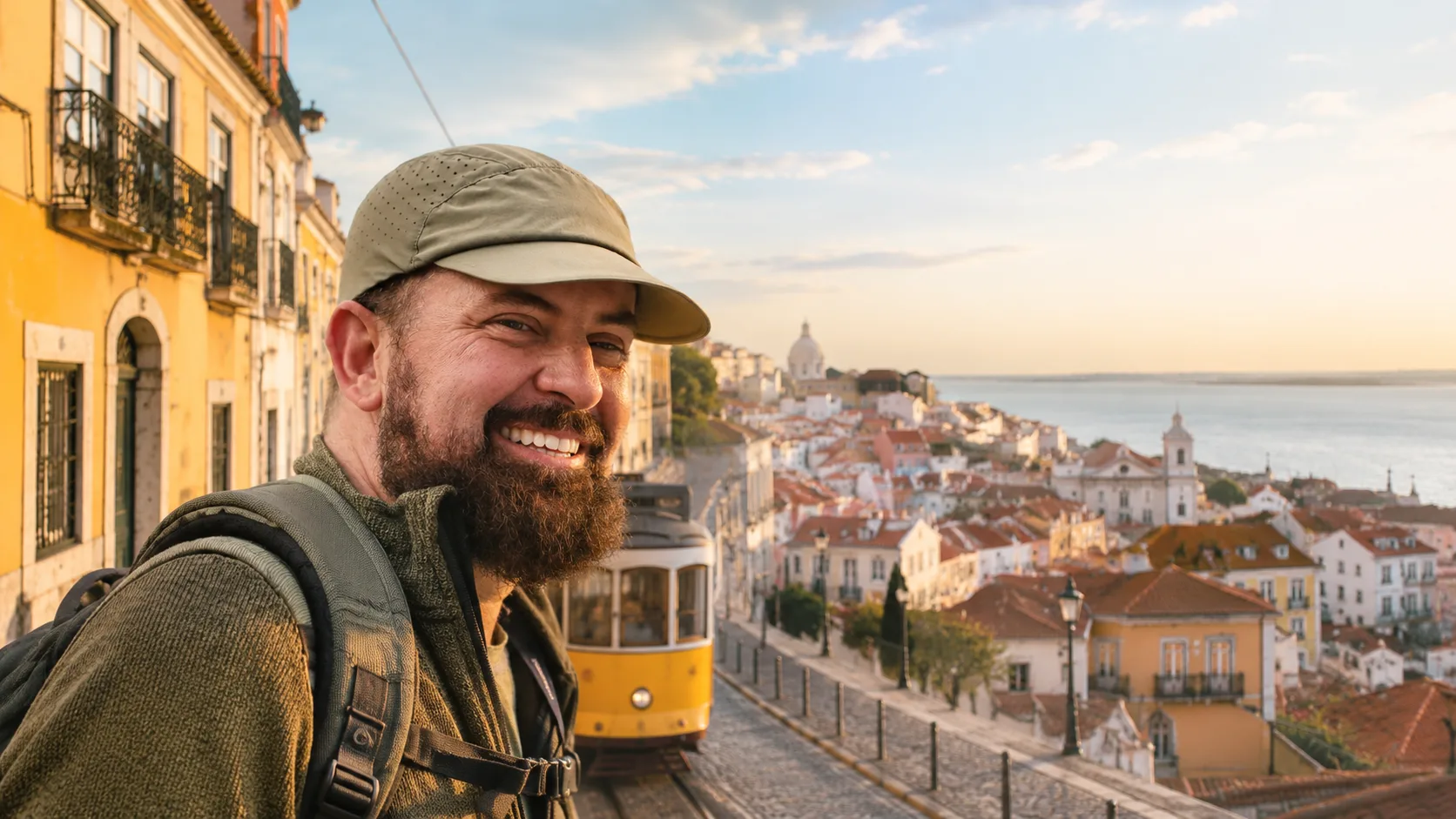
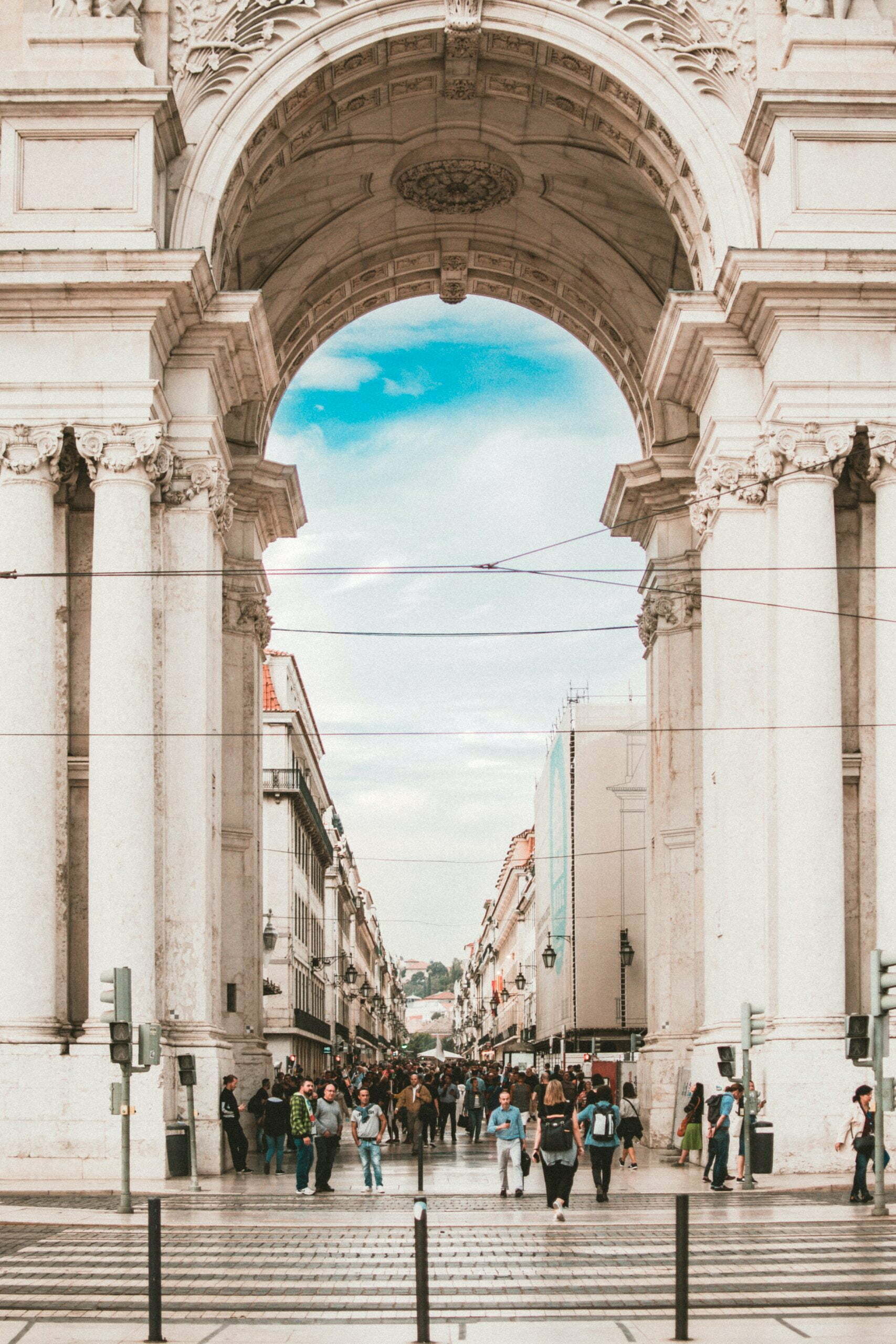
Moving to Portugal disrupted many of the assumptions I once carried about work, time, community, and what a meaningful life should look like.
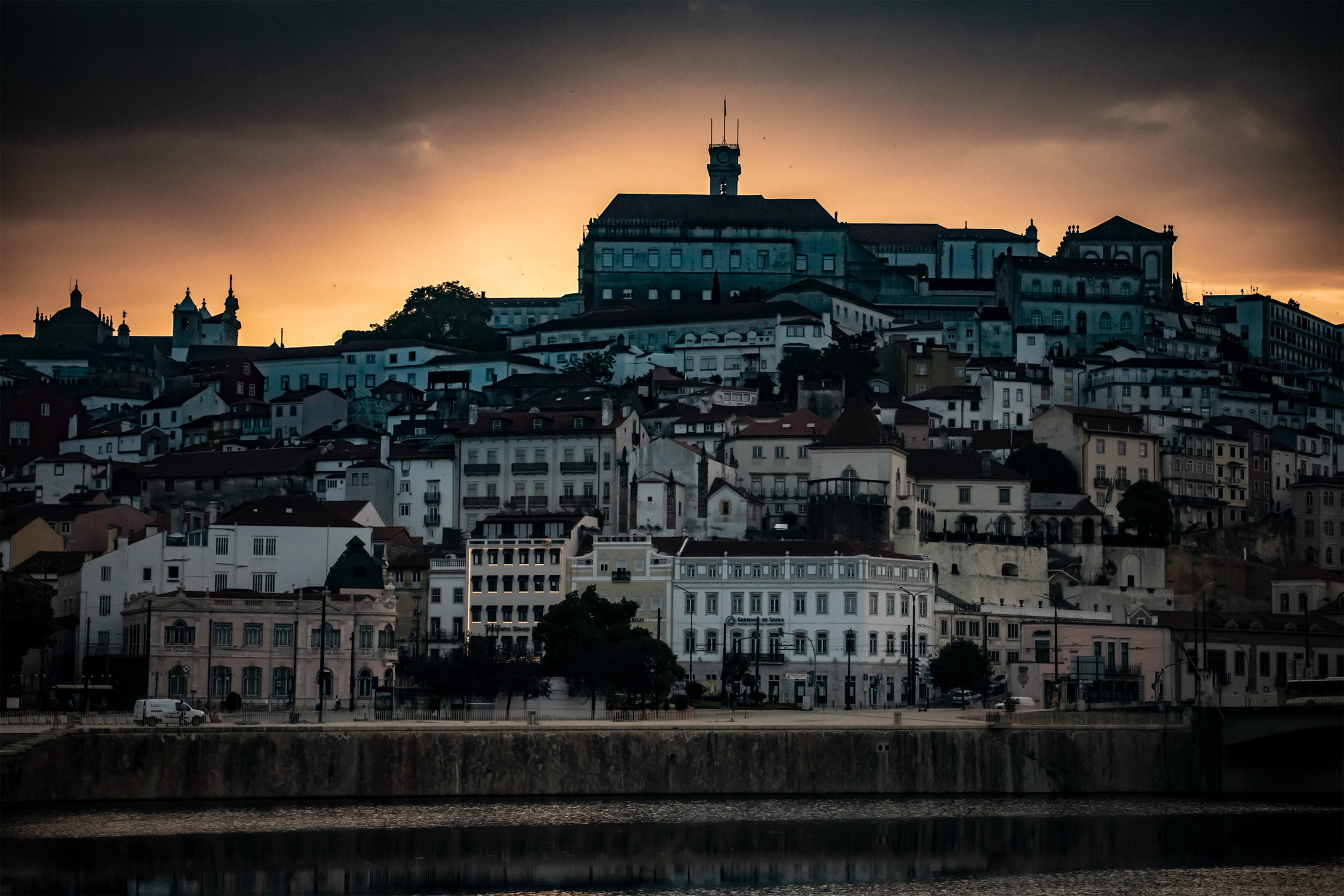
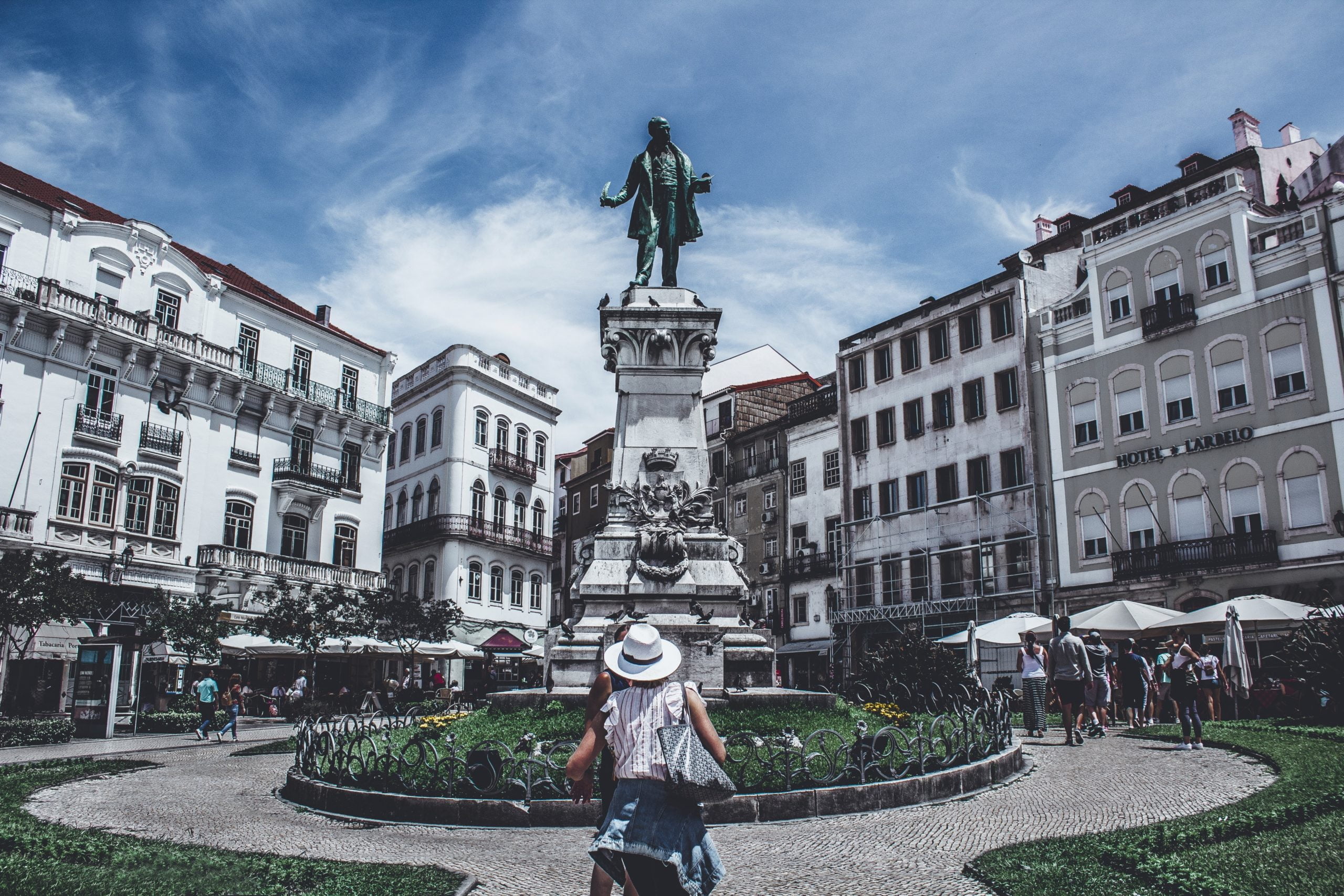
Living in Coimbra taught me that the relentless pace I once considered normal was not a universal law. It was simply one way of organizing a life—and not necessarily the one I wanted anymore. Building a life as a digital nomad was not always easy, but it showed me that work, time, and home could be organized differently.
Even ordinary tasks changed me. Ordering coffee, navigating residency paperwork, using public transportation, and stumbling through conversations in European Portuguese forced me to slow down and pay attention.
Travel often gets sold as a collection of dramatic moments. In reality, slow travel has taught me that some of its deepest changes happen during the ordinary parts of living somewhere unfamiliar.
The Camino Showed Me Who I Was Beneath the Routine
Walking the Camino de Santiago took this lesson even further.
The Camino reduced life to movement, weather, food, shelter, discomfort, and human connection. Some days brought rain, pain, exhaustion, or frustration. Other days delivered quiet trails, shared meals, unexpected kindness, and moments that felt almost impossible to explain.
Walking for weeks did not allow me to hide behind productivity or status. The road did not care about my past accomplishments. It only asked whether I would continue taking the next step.
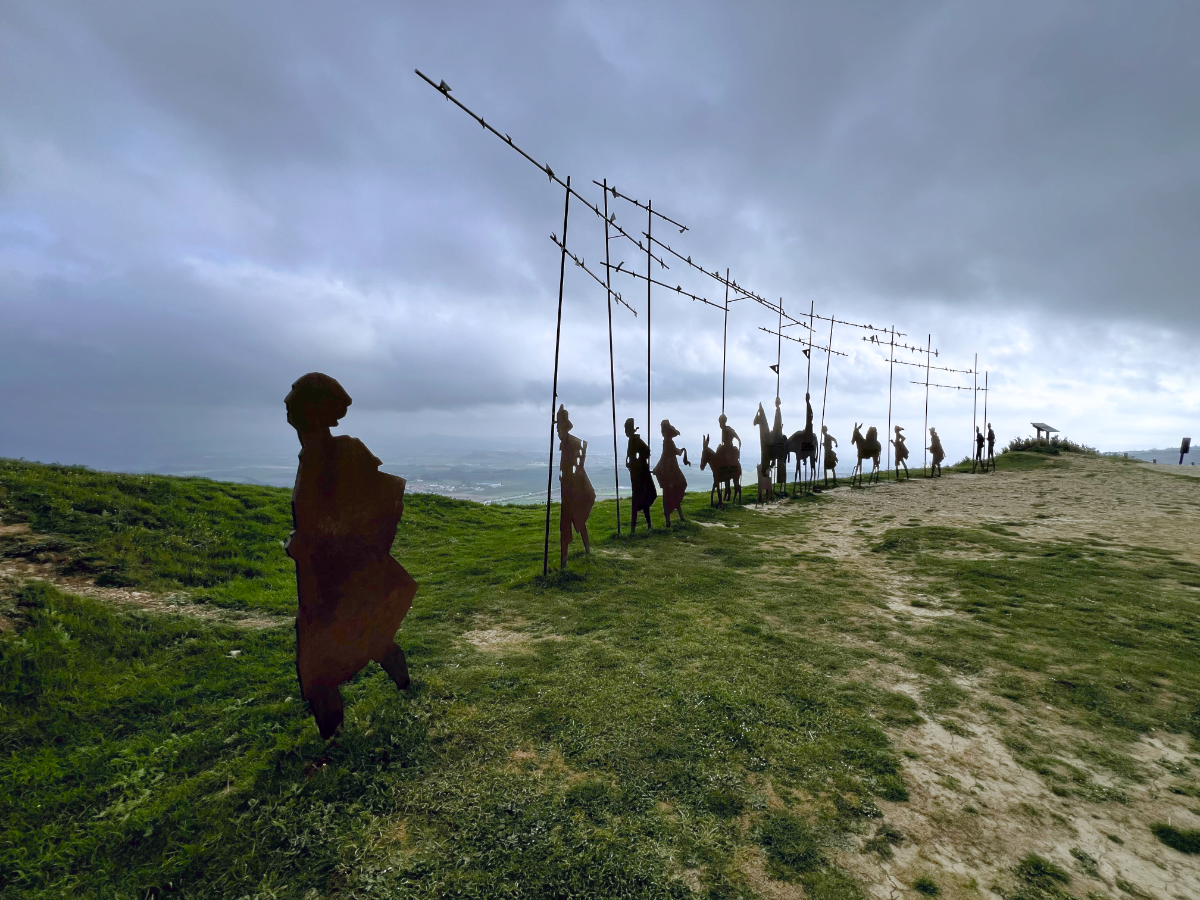
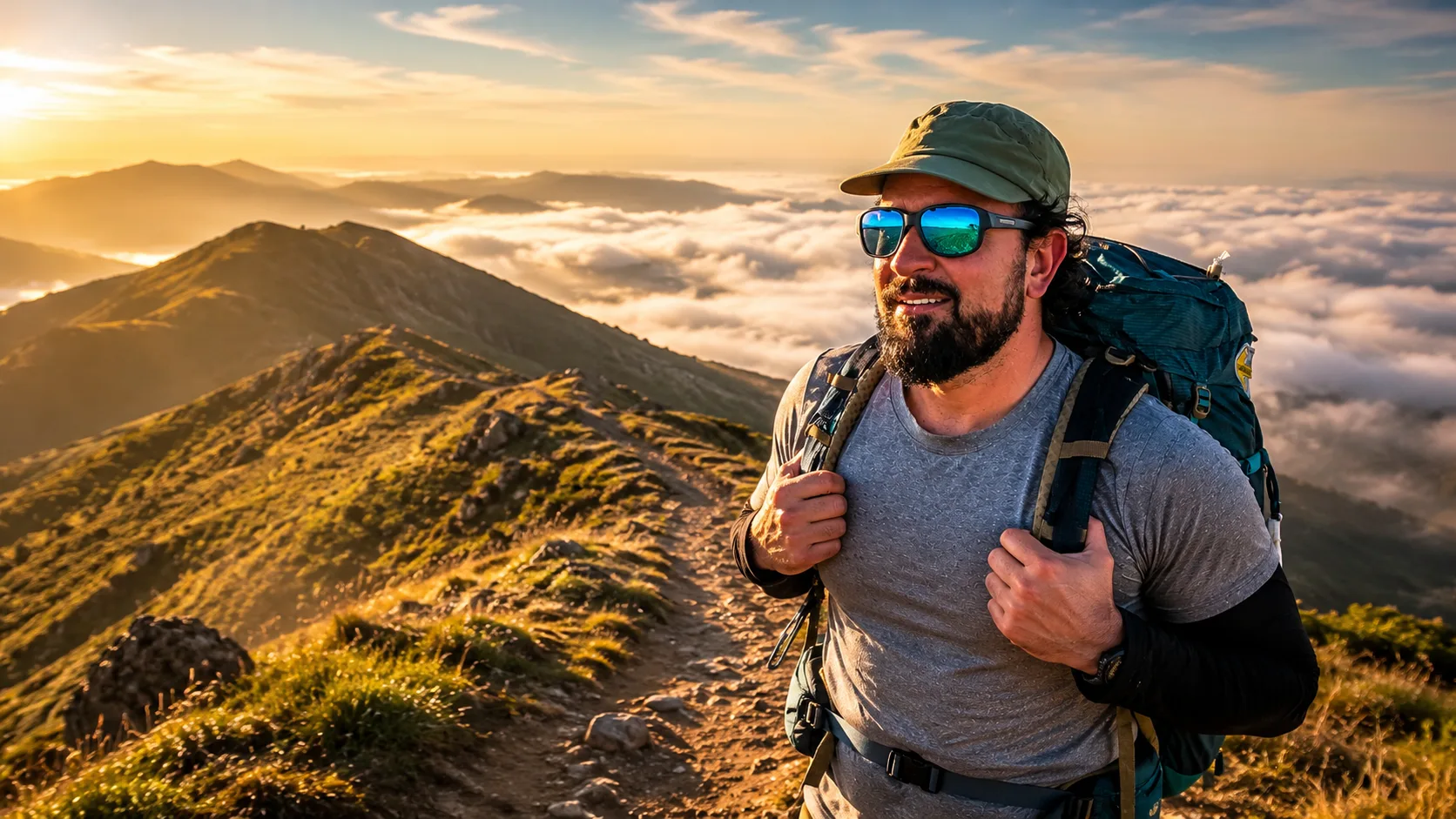
I remember standing above the clouds on the Camino, exhausted from the climb and carrying everything I needed on my back. At that moment, the life I had once considered secure seemed strangely distant. The trail had reduced everything to the next breath, the next step, and the people walking beside me.
Travel experiences like the Camino change us because they remove the distractions we use to avoid ourselves. Psychologists have also connected travel with challenge, self-improvement, and a deeper form of well-being.
But the Camino also reminded me that experience alone is not enough. Thousands of people can walk the same trail and return with completely different lessons. The path offers the opportunity for change, but we must decide whether to accept it.
We Must Choose to Walk Out the Door
Perhaps we are shaped by both identity and experience.
Our experiences influence who we become, but who we are determines whether we seek those experiences in the first place. The world cannot challenge our assumptions while we remain locked inside the same routine. We will never discover how travel changes us if we refuse to step through the door.
Comfort has its place, but it can quietly become a cage. A psychologically rich life is not always the easiest or most predictable one. It is often shaped by unfamiliar experiences that change how we understand ourselves and the world. The bars are difficult to see because they are often decorated with convenience, predictability, and social approval.
Counterculture does not always mean shouting louder than everyone else. Sometimes it means refusing to live according to a script that never felt like yours.
Sometimes rebellion is buying the train ticket.
Sometimes it is moving abroad.
Sometimes it is walking across a country with everything you need strapped to your back.
And sometimes it is simply admitting that you no longer want to remain the person you are at this exact moment.
Frequently Asked Questions About How Travel Changes You
Atypical Last Thoughts

The most important question may not be whether we are shaped more by experience or by identity. The question is whether we want to remain who we are—or embrace the uncertainty of becoming someone new.
Travel does not guarantee transformation. It offers movement between time and place, placing unfamiliar people, landscapes, and ideas in our path.
The distance we travel is measured in kilometers.
The distance we change is determined by our choices.
Meet Carter

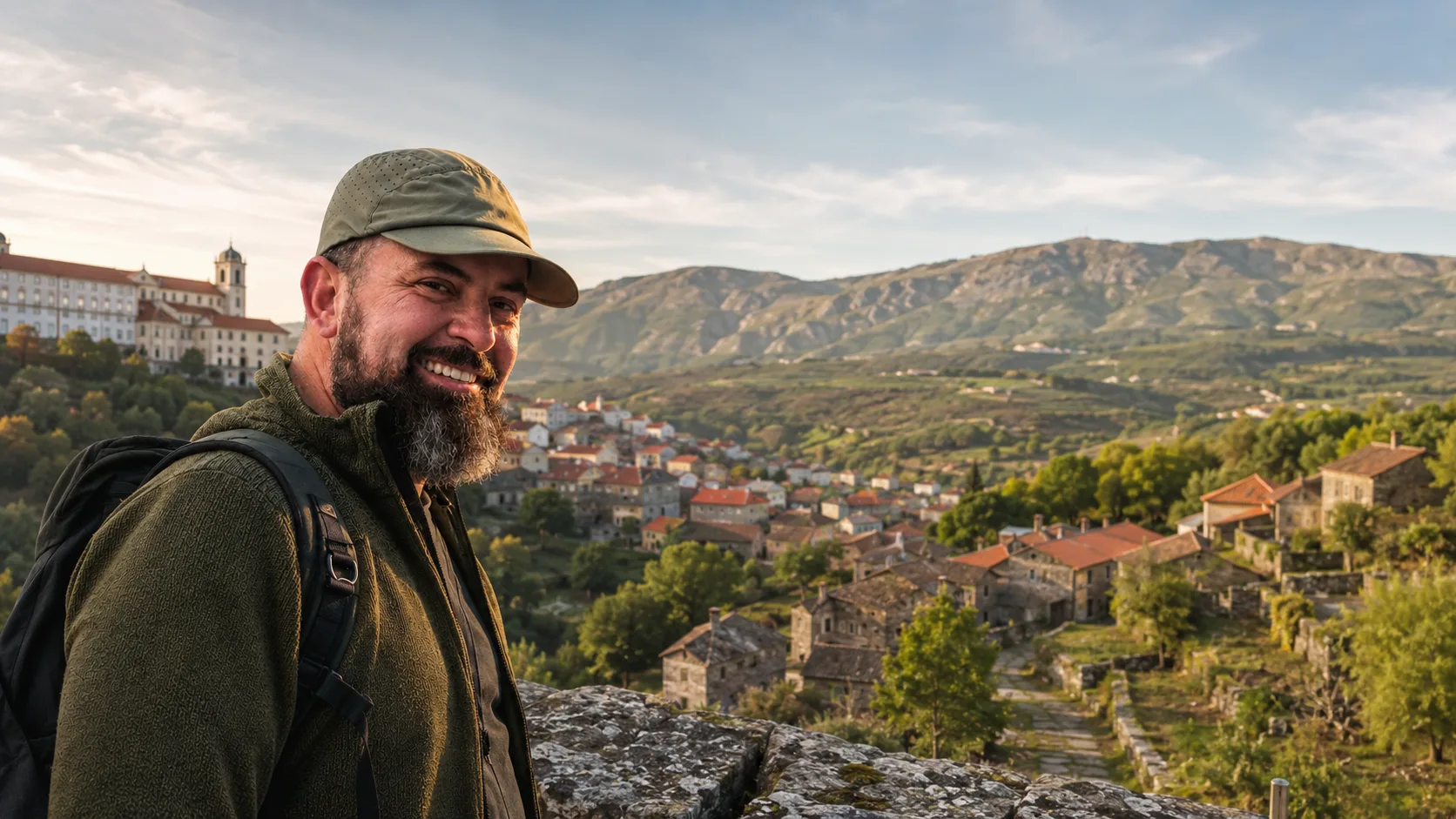
I’m Carter, an American traveler living in Portugal and the creator of Atypical Vagabond. After selling my technology business, I traded the conventional path for slow travel, life abroad, and a slightly unreasonable number of long walks across Europe. I share honest Portugal guides, Camino stories, digital nomad advice, and practical lessons to help you explore the world with greater confidence and purpose.
Subscribe
Looking for honest travel inspiration without the polished influencer nonsense?
Join the Atypical Vagabond newsletter for offbeat destination guides, Portugal travel tips, digital nomad lessons, slow travel stories, and the occasional reminder that the ordinary path is wildly overrated.
I share the victories, wrong turns, hidden gems, and real-life chaos that come with building a life around travel. No corporate fluff. No recycled bucket lists. Just useful advice, personal stories, and unconventional adventures designed to help you travel deeper, stay curious, and create your own damn route.
Subscribe and let’s reject the ordinary together.
Donations
Enjoying the stories, guides, videos, and occasional travel disaster here at Atypical Vagabond?
A small donation helps cover the real costs behind the adventures—from transportation and website hosting to camera gear, research, and enough coffee to keep the next guide moving.
There are no giant sponsors pulling the strings and no polished corporate travel machine hiding backstage. Your support helps me continue creating honest travel stories, practical Portugal guides, digital nomad advice, and unconventional adventures for travelers who prefer the road less rehearsed.
Every contribution helps keep Atypical Vagabond independent.
Fuel the next adventure through PayPal—and help me keep rejecting the ordinary.





Leave a Reply