When I arrived in Coimbra, I wasn’t chasing bucket-list thrills or postcard moments. I was looking for something quieter, something with depth. And that’s exactly what I found.
Set along the banks of the Mondego River, Coimbra doesn’t try to compete with the flash of Lisbon or the edge of Porto. Instead, it charms you slowly. The charm is found through the echo of student footsteps on cobbled streets, the worn stone of university halls, and the haunting sounds of fado drifting out of ancient taverns.
I came here curious. I left connected. Coimbra surprised me with its layers—once the capital of Portugal from 1139 to 1255. Now a thriving university town steeped in history, music, and memory. The university was relocated to Coimbra in 1308, and definitively transferred to the Coimbra Royal Palace in 1537. It’s a place where the past doesn’t gather dust. It sings, it debates, it grows ivy on the side of a UNESCO World Heritage Site.
If you’ve ever wondered what it feels like to walk through the intellectual heart of a nation—where medieval kings, poets, and students have all carved their names into the story—then visit Coimbra. You won’t just see the city; you’ll feel it.
Why Visit Coimbra, Portugal?

When I first decided to visit Coimbra, Portugal, I wasn’t sure what to expect—some old university buildings? A sleepy river town? But I found a vibrant, soulful Portuguese city that balances academic prestige with everyday charm. Nestled halfway between Lisbon and Porto, Coimbra is the place that sneaks up on you.
The memories stay with you in your heart long after you leave, thanks to the city’s unique character and historical development.
Coimbra is more than just a pretty stop on your Portugal itinerary. It’s the former capital of Portugal, home to some of Portugal’s most stunning landmarks that showcase the nation’s architectural and cultural heritage, and arguably one of Europe’s most culturally rich cities.
Getting to Coimbra

Traveling to Coimbra couldn’t be easier. I took the train from Lisbon, and within two hours I was stepping out at Coimbra’s railway station. From Porto, the ride is even shorter.
The north side of Coimbra is located close to the river and within easy reach of the city center. It is especially popular with travelers looking for convenient accommodation and access to the main attractions.
Coimbra sits near the A1 highway if you’re driving, making road-tripping from either of Portugal’s capital cities a breeze. Buses are also an option for those on a budget. No matter how you arrive, the Coimbra municipality welcomes you with scenic views and that slow-travel feel we crave.
Where I Stayed: Boutique Comforts in the City Centre
I booked a boutique hotel in the city centre (also known as downtown Coimbra), and it was the best decision ever. Just steps away from cafés, fado shows, and historic alleyways, I felt immersed in Coimbra’s soul.
The Santa Clara neighborhood across the Ponte de Santa Clara offers a quieter vibe. From here, you can stroll to Sé Nova de Coimbra, the New Cathedral, or enjoy sunset views over the Mondego River.
First Impressions: Geography and Climate of Coimbra

Arriving in Coimbra, you’re immediately struck by its dramatic setting—a Portuguese city perched on a hillside. It has the shimmering Mondego River winding through the valley below. This unique geography shapes every aspect of life here, from how the city’s narrow streets twist and climb, to the breathtaking river views you catch at every turn. The historic center, a UNESCO World Heritage Site, is a maze of cobbled lanes and centuries-old buildings. It is where Romanesque architecture like the Sé Velha de Coimbra and the stately Sé Nova de Coimbra stand.
Coimbra’s climate is another reason it’s so inviting. Summers are warm and sun-drenched, perfect for lazy afternoons in the city’s green spaces like Parque Verde. Winters are mild enough to make exploring comfortable year-round.
The proximity to the river brings a gentle breeze and a sense of calm. Especially when relaxing in one of the city’s leafy parks or strolling along the water’s edge. Whether you’re wandering the historic center or soaking up the sun in Parque Verde, Coimbra’s geography and climate create a vibrant and serene atmosphere. It is a world apart from the bustle of bigger cities.
Coimbra’s Academic Legacy

Coimbra’s identity is inseparable from the University of Coimbra, a true icon and a UNESCO World Heritage Site. This ancient university, officially founded as a Studium Generale in Lisbon in 1290 by King João, is Portugal’s oldest university and holds immense historical significance. It still buzzes with the energy of modern university students. As one of the oldest universities in Europe, it stands as a testament to centuries of academic excellence and cultural significance.
You’ll find the Biblioteca Joanina inside the Royal Palace, which honestly made me gasp. Built in the 18th century, it’s not just a library—it’s a Rococo masterpiece that made me whisper “wow” at least five times. The Joanina Library is a notable landmark of the University of Coimbra, showcasing its rich history and architectural grandeur. Touring the university founded centuries ago gave me goosebumps.
Top Historical Landmarks in Coimbra

I’m a sucker for old stones and lost stories, and Coimbra delivers. The city’s historic churches, such as the Old Cathedral and Santa Cruz Church, showcase remarkable architectural styles and play a significant role in Coimbra’s cultural heritage. Here are the historic spots that stole my heart:
Sé Velha de Coimbra – The Old Cathedral
This romanesque architecture gem is as solid and beautiful as the day it was built. It’s one of Portugal’s oldest and most well-preserved religious buildings, often referred to simply as the Old Cathedral.
Sé Nova de Coimbra – The New Cathedral
Don’t let the name fool you—it’s still pretty historic. Located in the university, this former chapel turned cathedral is majestic and calm, a quiet counterpoint to the university’s buzz.
Igreja de São Tiago
Right in the historic center, this church is humble on the outside but holds Portuguese Gothic secrets inside. A must-see if you’re into ecclesiastical art.
Santa Cruz Monastery & Santa Cruz Church
Both the Santa Cruz Monastery and Santa Cruz Church (Igreja de Santa Cruz) are not only architectural marvels—they’re also the final resting place of Afonso Henriques, Portugal’s first king. These historic sites, known as important landmarks de santa cruz, highlight the religious and cultural heritage of Coimbra. Nearby, the Café Santa Cruz is the perfect spot to sip espresso and contemplate destiny (or your next pastry).
Tracing Coimbra’s Regal Past

Coimbra’s regal past is woven into the very fabric of the city. Once the proud capital of Portugal, its historic center is a living museum of royal heritage and grandeur. The Santa Cruz Monastery is a Portuguese Gothic architecture masterpiece founded by Afonso Henriques, the first King of Portugal. This sacred site is not only a place of worship but also the king’s final resting place, making it a must-visit for anyone interested in the roots of Portuguese royalty.
Wander through the city and you’ll encounter the Royal Palace, now home to the prestigious University of Coimbra, where echoes of royal ceremonies and scholarly pursuits still linger in the grand halls. The nearby Episcopal Palace, dating back to the 16th century, adds another layer of historical intrigue with its stately presence. To taste Coimbra’s royal ambiance, stop by Café Santa Cruz, a beloved gathering spot that has witnessed centuries of city life. And don’t miss the Machado de Castro Museum, housed in the former bishop’s palace, where you can explore fascinating museums filled with treasures from Coimbra’s illustrious past. Every corner of this city tells a story of kings, scholars, and the enduring spirit of Portugal’s former capital.
Two Must-See Places in Coimbra
Whether you’re drawn to ancient history or just want to unleash your inner child, Coimbra has a way of delivering the unexpected. During my time in this historic city, I found two places that couldn’t be more different—but each left a lasting impression. On one hand, the Machado de Castro Museum offered a deep dive into Roman ruins and sacred art inside the elegant bishop’s palace. On the other, Portugal dos Pequenitos had me grinning like a kid again, wandering through miniature scale models of Portuguese landmarks. Here’s why both deserve a spot on your list when you visit Coimbra.
Exploring the Machado de Castro Museum
Set inside the Bishop’s Palace, this museum is an art and archaeology goldmine. You walk through centuries—literally—since it sits above well preserved mosaics from a Roman city. The blend of fascinating museums, ancient ruins, and modern curation makes it one of my favorite museums in all of Portugal.
A Day at Portugal dos Pequenitos
If you visit Coimbra with kids—or a childlike spirit—you can’t miss Portugal dos Pequenitos. This whimsical theme park showcases miniature scale versions of Portuguese architecture, colonial-era buildings, and traditional homes. Portugal dos Pequenitos is a miniature park that highlights famous Portuguese landmarks, making it both educational and entertaining. I may or may not have spent half the day pretending to be a giant stomping around tiny Coimbra.
Green Spaces and Tranquil Escapes

Walking around Coimbra is like stepping through a living history book. The city’s narrow streets wind through charming neighborhoods, revealing stunning medieval architecture, lively student gatherings, and cozy cafés tucked into ancient buildings. Strolling along the banks of the Mondego River or exploring the vibrant downtown Coimbra, Cidade Baixa, offers a perfect blend of cultural discovery and everyday Portuguese life. Every corner invites you to pause, soak in the atmosphere, and feel the heartbeat of this timeless city. Walking allows you to experience the whole city and truly appreciate its full charm.
Jardim da Sereia
This romantic park, whose name means Mermaid Garden, is peaceful and lined with sculptures, ponds, and old trees. It’s perfect for a dreamy escape.
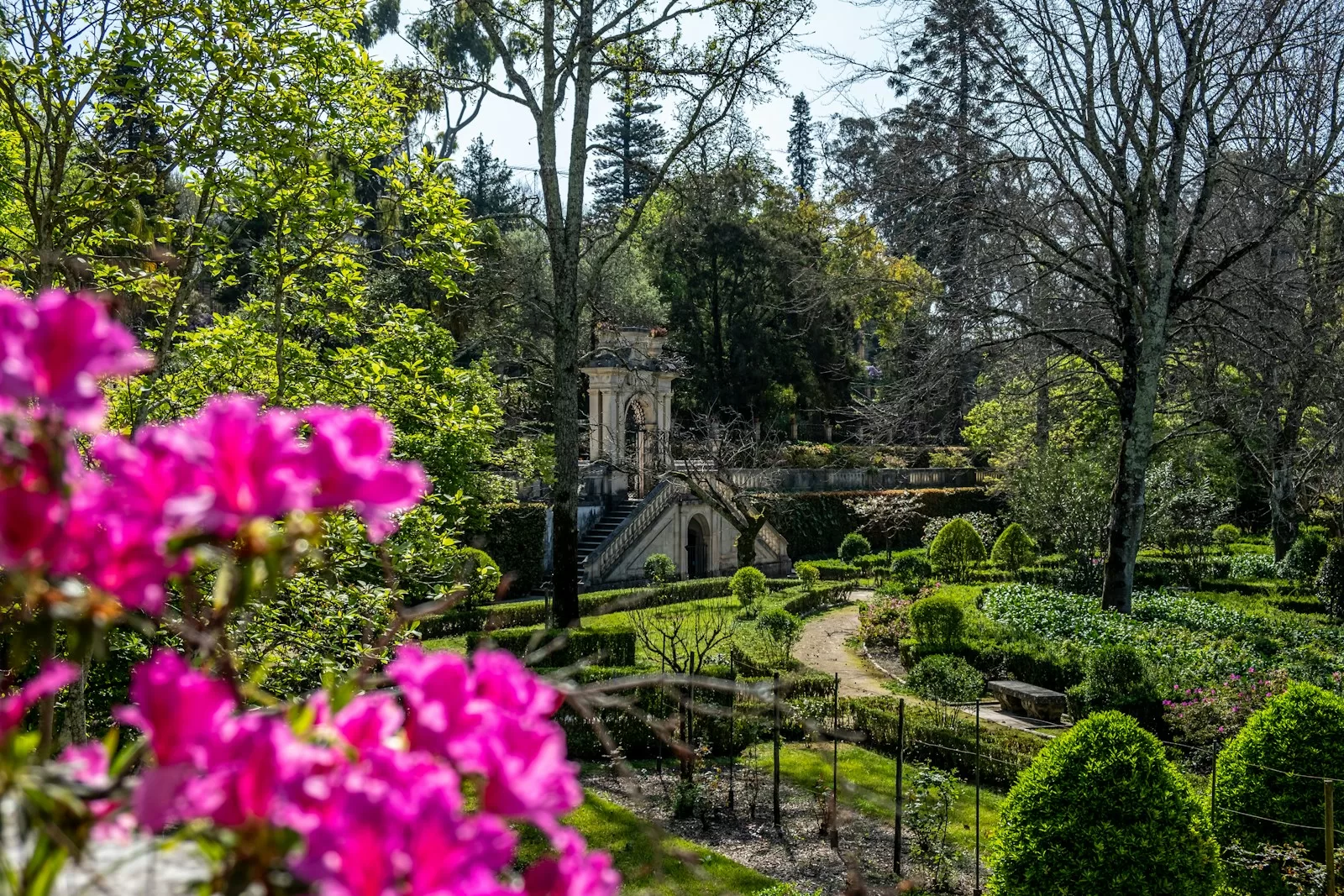
Botanical Garden of the University of Coimbra
Founded in 1772, this botanical garden is massive, lush, and loaded with rare plants. As one of the oldest botanical gardens in the world, it’s a must-see if you’re into greenery.
Parque Verde do Mondego
Running along the Mondego River, Parque Verde is where I spent many afternoons people-watching and sipping vinho verde. It’s the lungs of the city.
Choupal
Choupal National Park in Coimbra is a lush, expansive green space perfect for leisurely walks, jogging, and birdwatching, offering a peaceful retreat just a short distance from the bustling city center. This popular forest is characterized by its dense, lush vegetation.
Santa Clara: A Neighborhood Full of Stories
Crossing the Ponte de Santa Clara brings you to Santa Clara, home to the Santa Clara-a-Velha Monastery, a semi-submerged beauty. The ruins of the Santa Clara de Vela monastery are well-preserved and accessible to visitors, offering a glimpse into the region’s rich spiritual and architectural history. It’s eerie, atmospheric, and full of historical depth. Nearby, the New Cathedral and Convent of Santa Clara-a-Nova carry on the area’s spiritual legacy.
If you’re into scenic hikes, this area also connects to trails with sweeping river views and tucked-away lookout spots.
Quinta das Lágrimas: A Tale of Love and Legacy in Santa Clara
Tucked away in Coimbra’s Santa Clara neighborhood, Quinta das Lágrimas—meaning “Estate of Tears”—is more than just a historic estate; it’s the setting of Portugal’s most poignant love story. This 18.3-hectare estate, with its lush gardens and romantic ambiance, invites visitors to step into a world where history and legend.
The Legend of Pedro and Inês
In the 14th century, Prince Pedro fell deeply in love with Inês de Castro, a noblewoman serving as a lady-in-waiting. Their forbidden romance, opposed by Pedro’s father, King Afonso IV, ended tragically when Inês was assassinated in 1355. According to legend, the “Fonte das Lágrimas” (Fountain of Tears) on the estate marks the spot where Inês wept before her death, her tears said to have stained the stones red—a hue attributed to red algae, adding a touch of science to the sorrowful tale
Savoring Coimbra: Dining and Nightlife

If you love to eat, drink, and soak up local culture, Coimbra will not disappoint. The city’s dining scene is a delicious blend of tradition and youthful energy, with cozy taverns and modern eateries lining the streets near Sé Velha de Coimbra and Sé Nova de Coimbra. Here, you can savor classic Portuguese dishes like bacalhau à brás or frango grelhado, each bite celebrating local flavors.
Coimbra’s nightlife comes alive as the sun sets, especially in Cidade Baixa and the Santa Clara neighborhood. The bars and cafés fill with laughter, music, and the unmistakable buzz of university students unwinding after a day of classes. For a truly local experience, catch a fado show—Coimbra’s soulful take on Portugal’s iconic music—at an intimate venue in the historic center. And if you’re traveling with family or want a playful twist, the Portugal dos Pequenitos theme park offers a whimsical escape by day, while the city’s vibrant bars and clubs keep the energy going well into the night. Whether you’re toasting with friends or enjoying a quiet meal, Coimbra’s food and nightlife scene is as warm and welcoming as the city itself.
Fado in Coimbra: The Sound of Saudade
Unlike Lisbon’s theatrical fado, fado de Coimbra carries a distinct air of solemnity and poetic introspection, deeply rooted in the city’s academic traditions. University students traditionally perform this fado style, often men dressed in black academic robes, lending an aura of formality and reverence to the performances.
The songs express longing, love, and the bittersweet nature of life, capturing the unique Portuguese feeling of “saudade” — a profound sense of nostalgic yearning. I had the privilege of catching a live fado show in a tucked-away tavern in the historic city, where the haunting melodies and heartfelt lyrics nearly brought me to tears.
Experiencing fado de Coimbra is not just about music; it’s a journey into the city’s soul, echoing through its narrow streets and ancient university halls. Don’t miss the chance to witness this captivating tradition at a small venue or during one of the city’s many cultural festivals.
Local Finds and Artisan Treasures

Coimbra’s shopping scene is a delightful mix of tradition and creativity, perfect for those who love to hunt for unique finds. Start your adventure at the Mercado da Baixa, where the stalls overflow with fresh produce, handmade crafts, and souvenirs that capture the city’s spirit. The historic center is dotted with boutiques and specialty shops, offering everything from colorful ceramics to intricate textiles—each piece a testament to Coimbra’s artisan heritage.
If you’re in the mood for something truly special, go to the Jardim da Sereia, where local markets often pop up beneath the shade of ancient trees. The university’s influence is felt here too, with shops catering to students and visitors alike, brimming with books, art, and quirky gifts. For a day trip, Figueira da Foz is just a short ride away, famous for its lively markets and seaside charm. And don’t forget to explore the fascinating museums like the Machado de Castro Museum, where even the gift shop is a treasure trove of local artistry. In Coimbra, shopping isn’t just about what you buy—it’s about discovering the city’s creative soul.
Events and Festivals: Celebrating Coimbra’s Spirit
Coimbra knows how to celebrate, and its calendar is packed with events and festivals that showcase its vibrant spirit. The most famous is Queima das Fitas, a colorful tradition that fills the streets with music, parades, and the joyful energy of university students marking the end of the academic year. Throughout the year, the city pulses with the sounds of fado, with performances echoing from historic venues near Sé Velha de Coimbra and Sé Nova de Coimbra.
Cultural events abound, from open-air concerts in Parque Verde to art exhibitions and theater performances in the city’s fascinating museums, including the Machado de Castro Museum. The Ponte de Santa Clara and the Santa Clara neighborhood often serve as backdrops for lively celebrations, blending the old and new in unforgettable ways. Whether you’re joining a festival in the historic center, enjoying a riverside event in Parque Verde, or simply soaking up the atmosphere at a local fado show, Coimbra’s events and festivals offer a window into the heart and soul of this remarkable city. Every gathering is a chance to experience the warmth, creativity, and enduring traditions that make Coimbra truly unique.
Day Trips from Coimbra

I took a quick train to Figueira da Foz, a coastal town known for its wide beaches and laid-back vibes. The surf, fresh seafood, and seaside cafés were exactly what I needed to recharge.
Another must Conímbriga, the Roman city ruins outside Coimbra. The well-preserved mosaics, Roman baths, and amphitheater were a highlight—go early to avoid the sun and the crowds.
Figueira da Foz: Sun, Surf, and Salt in the Air
One sunny morning, I hopped on a regional train from downtown Coimbra, and less than an hour later, I breathed the salty Atlantic breeze in Figueira da Foz. This coastal town is the antidote to any city fatigue.
The beach? Massive. We’re talking wide, golden sands that seem to stretch on forever. I dipped my toes in the ocean, joined locals for espresso at a seaside café, and watched surfers carve waves under a sky that felt a bit too perfect to be real.
If you’re a seafood lover, this place is your paradise. I had grilled sardines so fresh they practically introduced themselves. The whole vibe of Figueira is laid-back and local—no rush, no pressure, just Portugal at its most relaxed.
It’s easy to see why Figueira da Foz is a favorite weekend escape for people living in Coimbra. It’s close, affordable, and offers a full reset for the soul.
Conímbriga: A Roman City Beneath the Surface
The next day, I traded waves for ruins and made my way to Conímbriga, one of the best-preserved Roman cities in Portugal. Located just a short drive or bus ride from Coimbra, it’s a dream for anyone interested in history or anyone who loves wandering through ancient stones and imagining toga parties.
The well-preserved mosaics blew me away. I found myself crouching for ages just staring at tiny, colorful tiles forming intricate patterns in what used to be Roman villas. The Roman baths were surprisingly intact, and the layout of the amphitheater still had me picturing crowds cheering from stone benches nearly two millennia ago.
What made it even more special was how quiet it was. I arrived early, before the sun got too high, and had large site sections to myself. No filters, no crowds—just me and the ghosts of the Roman Empire.
There’s also a small museum on-site that houses artifacts discovered in the area, from coins and jewelry to statues and everyday tools—the combination of open-air ruins and curated exhibits made this visit feel like walking through a living textbook.
Is Coimbra Worth Visiting?

Absolutely. Coimbra is worth visiting for its rich history, fascinating museums, architectural beauty, and vibrant cultural life interweaving past and present. As Portugal’s oldest university city, it offers a unique blend of intellectual heritage and youthful energy.
The historic city charm is evident in its cobbled streets, medieval buildings, and landmarks like the Santa Cruz Monastery and the episcopal palace, which tell stories of kings, scholars, and saints.
Beyond the monuments, Coimbra’s lively student population keeps the city buzzing with cultural events, from traditional fado performances to modern art exhibitions. Its more relaxed pace compared to Lisbon and Porto allows for a deeper connection to Portuguese culture and history. Whether you’re exploring the universidade de Coimbra, wandering through the Jardim da Sereia, or enjoying panoramic views from Penedo da Saudade, Coimbra offers an enriching and memorable experience.
How Long Should You Stay?
I’d say it takes at least two full days to truly appreciate what Coimbra has to offer. One day, I will dedicate myself to exploring the university founded centuries ago, including the Biblioteca Joanina, the Royal Palace, and the surrounding historic center. I will also visit the Machado de Castro Museum, housed in the bishop’s palace, and stroll through the charming, narrow streets of the city center.
On the second day, enjoy the lush green spaces like the botanical garden and Parque Verde do Mondego, and venture across the Ponte de Santa Clara to the Santa Clara neighborhood to see the evocative Santa Clara-a-Velha Monastery. Visiting Portugal dos Pequenitos adds a playful touch, especially when traveling with family. If your schedule allows, extend your stay to explore nearby gems like the Roman city ruins of Conímbriga or take a day trip to the coastal town of Figueira da Foz. This will give you a balanced mix of historical insight, cultural immersion, and natural beauty.
Is Coimbra Expensive?
Compared to Lisbon and Porto, Coimbra is relatively affordable, making it an excellent choice for budget-conscious travelers and digital nomads. Accommodations range from charming boutique hotels in the city centre to budget-friendly guesthouses and hostels. Dining options include everything from traditional Portuguese eateries serving hearty local dishes to trendy cafés and bars where you can enjoy a vinho verde. Entrance fees to major attractions like the University of Coimbra and museums are reasonable, and many public parks and green spaces are free to enjoy. Transportation costs are also manageable, with efficient train and bus connections to and from Lisbon and Porto. Overall, Coimbra offers excellent value without compromising on the richness of the experience.
Atypical Last Thoughts

Coimbra wasn’t just another pin on my Portugal itinerary—it became a story I still tell over coffee (or port wine). The rhythm of the old city, Coimbra University’s energy, the fado’s magic, and the peace I found wandering Parque Verde made it unforgettable.
So, if you’re planning to visit Coimbra, take your time. Let the narrow streets guide you, get lost in the scent of roasted chestnuts in Cidade Baixa, and visit Café Santa Cruz at least twice.
Adventure on, adventurers. When I arrived in Coimbra, I wasn’t chasing bucket-list thrills or postcard moments—I was looking for something quieter, something with depth. And that’s precisely what I found.
Charm of Coimbra
Set along the banks of the Mondego River, Coimbra doesn’t try to compete with the flash of Lisbon or the edge of Porto. Instead, it charms you slowly, through the echo of student footsteps on cobbled streets, the worn stone of university halls, and the haunting sounds of fado drifting out of ancient taverns.
I came here curious. I left connected. Coimbra surprised me with its layers—once the capital of Portugal from 1139 to 1255, now a thriving university town steeped in history, music, and memory. The university was relocated to Coimbra in 1308, and definitively transferred to the Coimbra Royal Palace in 1537. It’s a place where the past doesn’t gather dust—it sings, it debates, it grows ivy on the side of a UNESCO World Heritage Site.
If you’ve ever wondered what it feels like to walk through the intellectual heart of a nation—where medieval kings, poets, and students have all carved their names into the story—then visit Coimbra. You won’t just see the city; you’ll feel it.
Subscribe
Are you an avid traveler seeking inspiration for your next adventure? Look no further than the Atypical Vagabonds newsletter. By subscribing to our newsletter, you gain access to a treasure trove of travel tips, destination guides, and captivating stories from around the globe. Our knowledge in exploring off-the-beaten-path destinations. We offer a refreshing perspective on travel, encouraging you to embrace the unconventional and discover unique experiences. Join the community today and let our wanderlust-inducing content inspire you. Therefore, you can embark on extraordinary journeys. Subscribe to receive their latest updates directly in your inbox and never miss a travel adventure again.
Donations
Love what you’re seeing on Atypical Vagabond? Help us keep the adventures coming! Consider donating through PayPal’s secure payment system. Every contribution goes a long way in fueling our mission to bring you more thrilling content and unforgettable experiences. Join us in shaping the future of travel—donate today!

Leave a Reply