Tucked between Lisbon and the Algarve lies a region of Portugal that feels like a well-kept secret—Alentejo. Known for its rolling hills, medieval towns, and golden wheat fields, Alentejo is where time slows down. Unlike the bustling streets of Lisbon or the crowded beaches of the Algarve, Alentejo invites travelers to explore its unspoiled landscapes, centuries-old castles, and warm-hearted people.
The name “Alentejo” literally means “beyond the Tagus River,” and that’s exactly what you’ll find—something beyond the ordinary. Whether you’re seeking culture, nature, or just a peaceful retreat, exploring Portugals Alentejo Region offers something magical for everyone.
Geography and Landscape of Alentejo
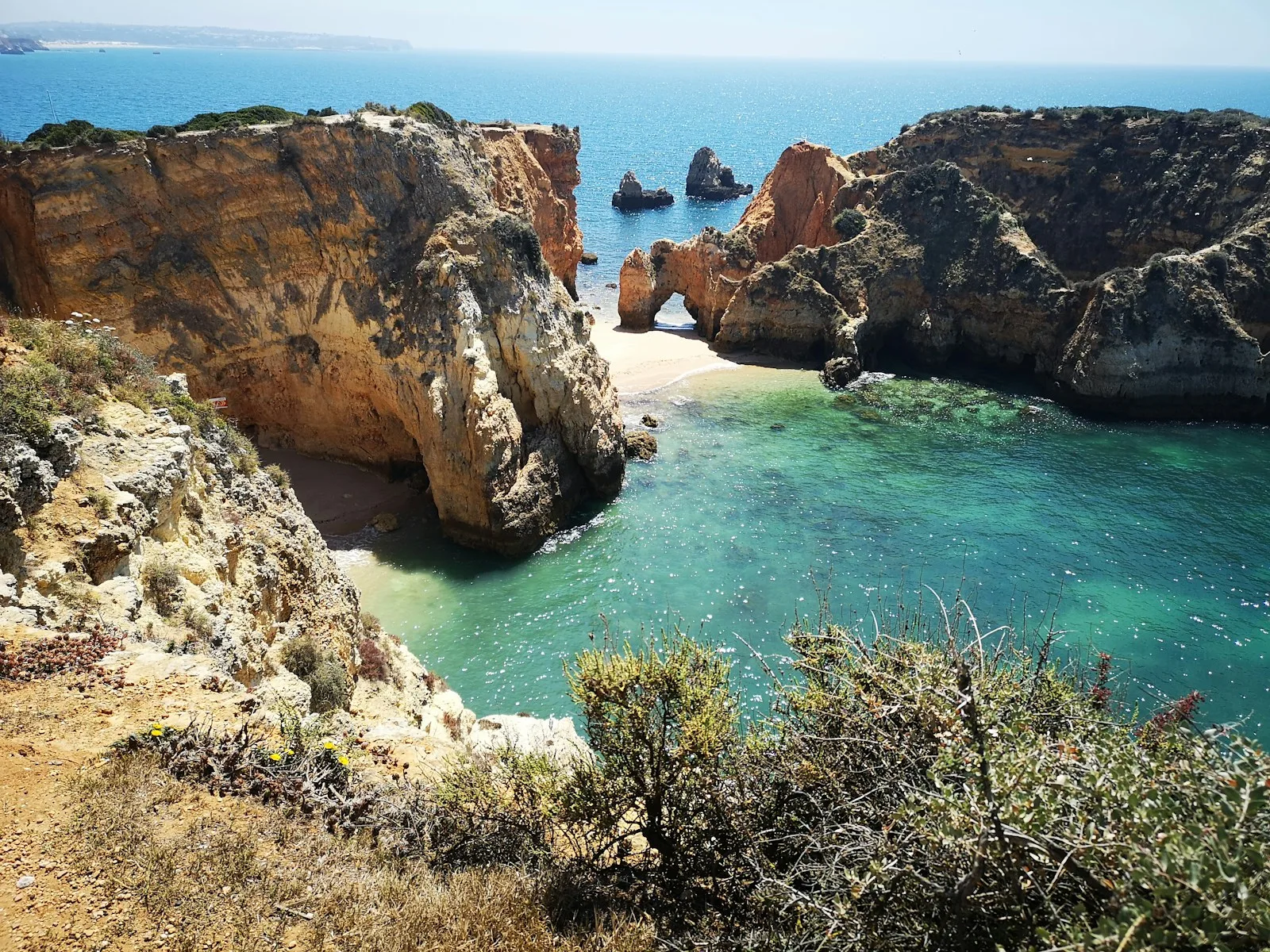
Alentejo stretches across nearly a third of Portugal, yet it remains one of the least populated regions. This makes for vast, open spaces dotted with cork oak forests, olive groves, and sunflower fields. The Serra de São Mamede mountains in the east provide a striking contrast to the flatlands, while the western edge kisses the Atlantic with wild beaches and dramatic cliffs.
From sunrise hikes through ancient stone paths to watching stars in some of Europe’s darkest skies, the natural beauty of Alentejo is both serene and awe-inspiring.
Rich History and Cultural Heritage
This region boasts a rich past shaped by Roman conquerors, Moorish settlers, and Portuguese royalty. In every town, you’ll find relics of history—Roman aqueducts, medieval fortresses, and gothic cathedrals. The influence of centuries of civilizations is deeply embedded in local architecture, traditions, and even cuisine.
Take a stroll through cobbled alleys where whitewashed homes are trimmed with blue and yellow—Alentejo’s signature color palette—and you’ll feel like you’ve stepped back in time.
Top Cities to Visit in Alentejo

Évora: UNESCO World Heritage City
Évora is the jewel of Alentejo. This walled city is home to the Roman Temple of Diana, the haunting Chapel of Bones (Capela dos Ossos), and the magnificent Évora Cathedral. The city seamlessly blends ancient history with modern charm, offering boutique shops, art galleries, and cozy cafes.
Beja: Heart of the Plains
Beja offers panoramic views of the Alentejan plains from its iconic Beja Castle. The town has a slower rhythm and is known for its literary history and local markets filled with crafts and traditional goods.
Elvas: The Fortified Border Town
Close to the Spanish border, Elvas is famous for its star-shaped fortifications, a masterpiece of military engineering. It’s also home to a remarkable 17th-century aqueduct and several military museums.
Portalegre: Gateway to Serra de São Mamede
Nestled in the mountains, Portalegre is a peaceful town offering access to natural parks and scenic hiking trails. Don’t miss its tapestry museum, which showcases the region’s artistic traditions.
Alentejo’s Gastronomic Delights

Traditional Dishes
Alentejo cuisine is hearty and flavorful. Try the famous Açorda (a garlic-bread soup), Migas (bread-based side dish), or Black Pork (porco preto), which is unique to this region. Meals are often slow-cooked and savored with friends and family.
Famous Alentejo Wines
Alentejo is one of Portugal’s top wine regions. Its robust reds and fruity whites pair perfectly with the local fare. You can tour vineyards and wine cellars, especially in Borba, Reguengos de Monsaraz, and Vidigueira, which offer immersive tastings and scenic views.
Outdoor Activities and Nature Experiences

Nature lovers rejoice—Alentejo is a paradise for outdoor enthusiasts. Whether you’re cycling through olive groves, hiking the Rota Vicentina trails, or birdwatching in Castro Verde, there’s no shortage of adventures. The clear skies also make it one of the best stargazing spots in Europe.
Beaches and Coastal Escapes in Alentejo
While most travelers head south to Algarve, the Alentejo Coast is a hidden coastal gem. Head to Comporta for chic, quiet sands, or explore Porto Covo and Zambujeira do Mar for unspoiled natural beauty. These beaches offer solitude, surf, and spectacular sunsets.
Festivals and Events Throughout the Year
Alentejo’s festivals celebrate everything from religion to food and music:
- Festas de São João (June) in Évora
- Alentejo Wine Festival (Autumn) across the region
- Ovibeja Agricultural Fair (April) in Beja
- Andanças Dance Festival in Castelo de Vide
These events offer a deep dive into local traditions, music, and community spirit.
Sustainable and Rural Tourism
Eco-conscious travelers will find plenty to love. Alentejo supports agritourism—you can stay on a working farm, learn about cork harvesting, or help with the grape harvest. Many accommodations are eco-lodges, blending luxury with sustainability.
Best Time to Visit Alentejo
The best times to explore Alentejo are spring (April–June) and autumn (September–October). These months offer mild weather, blooming fields, and fewer crowds. Summers can be very hot, especially inland.
Travel Tips for Visiting Alentejo
- Getting There: Fly into Lisbon, then rent a car for the best access.
- Where to Stay: Choose from boutique hotels, rural guesthouses, or vineyard estates.
- Local Etiquette: Greet with a handshake or cheek kisses; respect siesta hours (1–3 PM).
Day Trips and Nearby Regions
While Alentejo has enough to keep you busy for weeks, consider a few short excursions:
- Lisbon – Just 90 minutes away.
- Algarve – For a beach day.
- Douro Valley – If you’re a wine lover.
Frequently Asked Questions (FAQs)
1. What is Alentejo famous for?
Alentejo is known for its vast landscapes, historical towns, traditional cuisine, and wine production.
2. Is Alentejo safe for tourists?
Yes, it’s one of the safest regions in Portugal with low crime rates and friendly locals.
3. How do I get around Alentejo?
A rental car is the best option, as public transport is limited in rural areas.
4. Are there good accommodations in Alentejo?
Absolutely! From luxury vineyard hotels to rustic farmhouses, there’s something for every budget.
5. Can I visit Alentejo with kids?
Yes, it’s a family-friendly region with outdoor activities, castles, and beaches.
6. Do people in Alentejo speak English?
Many people in tourism and younger generations speak English, though basic Portuguese helps.
Atypical Last Thoughts

Exploring Portugals Alentejo Region isn’t just a trip—it’s a journey into the soul of Portugal. With its peaceful landscapes, rich heritage, and delicious food, Alentejo captures the heart of every traveler who ventures there. Escape the crowds, reconnect with nature, and discover a region that feels like your own private slice of paradise.
Subscribe
Are you an avid traveler seeking inspiration for your next adventure? Look no further than the Atypical Vagabonds newsletter. By subscribing to our newsletter, you gain access to a treasure trove of travel tips, destination guides, and captivating stories from around the globe. Our knowledge in exploring off-the-beaten-path destinations. We offer a refreshing perspective on travel, encouraging you to embrace the unconventional and discover unique experiences. Join the community today and let our wanderlust-inducing content inspire you. Therefore, you can embark on extraordinary journeys. Subscribe to receive their latest updates directly in your inbox and never miss a travel adventure again.
Donations
Love what you’re seeing on Atypical Vagabond? Help us keep the adventures coming! Consider donating through PayPal’s secure payment system. Every contribution goes a long way in fueling our mission to bring you more thrilling content and unforgettable experiences. Join us in shaping the future of travel—donate today!

Leave a Reply