
Central Portugal is where the country stops behaving like a highlights reel and begins telling you its stories slowly. University courtyards rise above Coimbra, Roman mosaics survive beneath the countryside, schist villages cling to forested hills, and Atlantic waves crash against fishing towns only a short drive away.
This Central Portugal itinerary is designed for travelers who want more than a hurried dash between Lisbon and Porto. It uses Coimbra as the main base and gives you flexible routes for three, five, seven or ten days. You can follow the complete road trip, choose a shorter version or use the day-by-day plan as a menu.
I live in Coimbra, so these routes reflect how Central Portugal actually fits together on the ground—not how close the pins look on a map. The region is large, mountain roads are slow, and one excellent village is usually more memorable than five rushed photo stops.
Still deciding which destinations belong on your route? Start with my complete Central Portugal travel guide for an overview of the region’s cities, villages, mountains, and coastline.
Best for: History, food, small towns, hiking, beaches and travelers who prefer a slower Portugal
Ideal length: Seven days, although five days covers the essential stops
Best base: Coimbra for the core itinerary
Best transport: A rental car offers the most freedom; a car-free version is included below
Atypical tip: Do not try to combine the Silver Coast, Serra da Estrela and every monastery in one long day. Central Portugal rewards curiosity, but it punishes greedy itineraries with several hours of staring through a windshield.
Central Portugal Itinerary at a Glance
| Day | Main destination | Best experiences | Approximate drive time | Overnight |
|---|---|---|---|---|
| 1 | Coimbra | Historic center, riverfront and fado | No car needed | Coimbra |
| 2 | Coimbra | University, cathedrals and botanical garden | No car needed | Coimbra |
| 3 | Conímbriga and Penela | Roman ruins, castle and countryside | 1 hr 25 min total | Coimbra |
| 4 | Lousã and the schist villages | Mountain villages, trails and local food | 1 hr 45 min–2 hr 30 min total | Coimbra or Lousã |
| 5 | Buçaco and Luso | Forest walks, palace architecture and spa-town calm | 1 hr 20 min–1 hr 35 min total | Coimbra |
| 6 | Aveiro and Costa Nova | Canals, Art Nouveau and striped beach houses | 2 hr–2 hr 20 min total | Coimbra or Aveiro |
| 7 | Montemor-o-Velho, Figueira da Foz and Buarcos | Hilltop castle, Atlantic beach and old fishing quarter | 1 hr 45 min–2 hr total | Coimbra |
This route minimizes hotel changes without turning every day into the same experience. Coimbra sits near the center of the itinerary, while the coast, Roman sites and mountain villages spread around it like spokes on a wheel.
If this is your first visit to the region, start with my broader Central Portugal travel guide before choosing your route.
Map of the 7-Day Central Portugal Route

7-Day Central Portugal Itinerary
Day 1: Arrive in Coimbra and Meet the Mondego
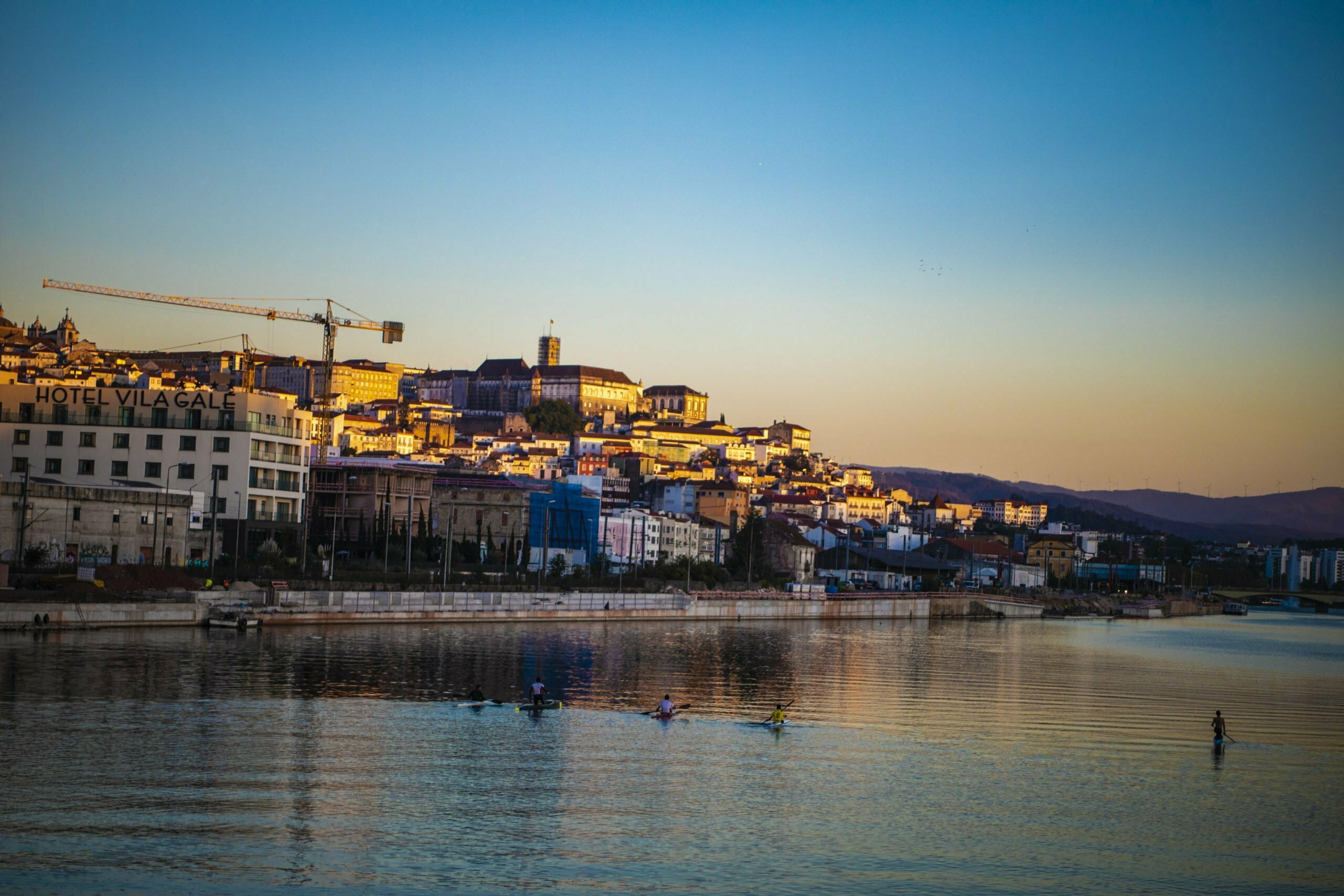
Begin in Coimbra, a city that reveals itself vertically. The railway and river sit below; medieval lanes climb toward the university; church bells and student songs drift somewhere between them.
After checking in, walk along the Mondego River and cross the Santa Clara Bridge for the classic city view. Return through the Baixa, pass the Monastery of Santa Cruz and follow the old streets uphill through the Arco de Almedina. This first walk gives you the shape of Coimbra without committing you to a full museum schedule after a travel day.
Use my Coimbra travel guide to plan the university, medieval center, riverfront, restaurants, viewpoints, and practical transportation.
Plan your visit
Best for: First impressions, viewpoints and local atmosphere
Suggested time: Half a day
Do not miss: The view from the left bank of the Mondego near sunset
Where to sleep: Coimbra’s Baixa for restaurants and easier walking, or Alta for historic character
Day 2: Explore Historic Coimbra
Give Coimbra a full day. Reserve a timed visit to the Joanina Library through the official University of Coimbra visitor website, particularly during weekends and the summer season. The historic university, Alta and Sofia areas form a UNESCO World Heritage property, but the appeal is not limited to a single library or courtyard. The university still shapes the rhythm, traditions and personality of the city.
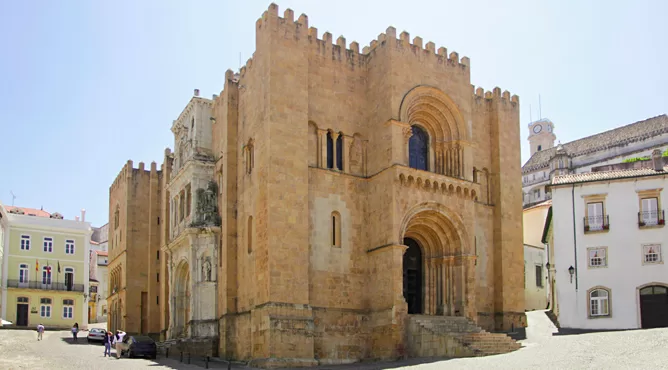
Continue to Sé Velha, Coimbra’s Romanesque old cathedral, and descend through the medieval streets. After lunch, wander through the Botanical Garden and finish near the river. If you prefer museums, substitute the Machado de Castro National Museum for part of the afternoon.
Leave room for wandering. Coimbra’s steep lanes have a habit of producing tiny chapels, tiled façades and viewpoints you never intended to find.
Plan your visit
Best for: History, architecture and culture
Suggested time: One full day
Do not miss: The university precinct and Sé Velha
Continue Exploring
Explore the city in more detail with my Coimbra travel guide.
Atypical tip: Wear shoes with grip. Coimbra’s polished calçada is beautiful, steep and occasionally determined to introduce you to gravity.
Day 3: Visit Conímbriga and Penela
Drive south to Conímbriga, one of Portugal’s most important Roman archaeological sites. Its preserved mosaics, house foundations, baths and defensive walls make the ancient city easier to imagine than a field of unlabeled stones ever could.
Check current admission prices and opening hours through the National Museum of Conímbriga before leaving Coimbra.
Allow time for both the ruins and the museum. The site works best when you first understand how its houses, water systems and public spaces connected, then walk among them.
Continue to Penela for lunch and a slower afternoon. The town rises beneath Penela Castle, where medieval walls and towers overlook the surrounding countryside. Walk through the historic center, visit the castle and enjoy the kind of place many travelers miss because they are racing toward a more famous pin.
Conímbriga and Penela are also included in my guide to the best day trips from Coimbra, with transportation advice and suggested visit times.
Plan your visit
Best for: Roman history, castles and photography
Suggested time: Six to eight hours
Getting there: A car is the simplest option; public transportation is possible to Conímbriga but less convenient for combining both stops
Where to sleep: Return to Coimbra
Optional Detour
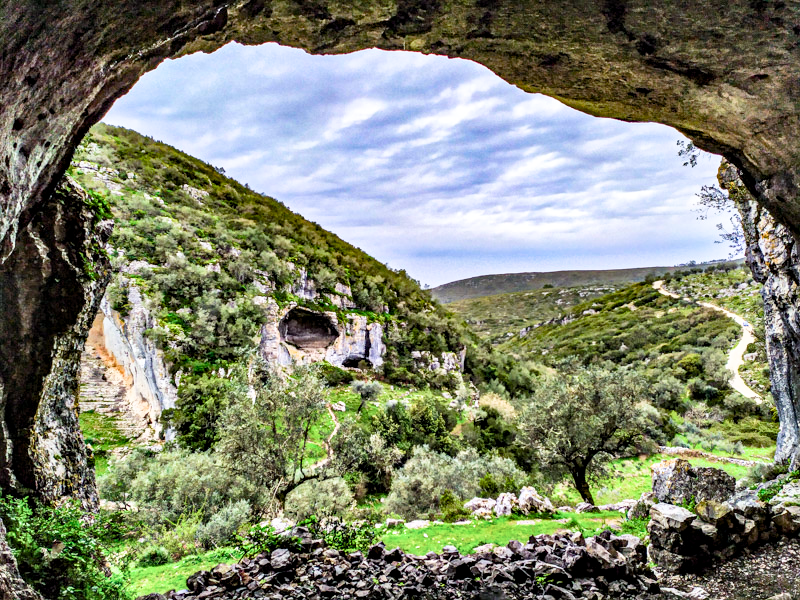
Add the Buracas do Casmilo only if you have suitable footwear, daylight and enough time for a countryside walk. Do not squeeze it between the ruins and Penela merely to collect another location.
For more alternatives, compare the best day trips from Coimbra.
Day 4: Discover Lousã and the Schist Villages
Today the landscape changes. Drive toward the Serra da Lousã, where stone villages sit among forests, streams and mountain slopes. Portugal’s official tourism site groups 27 communities within the Schist Villages network, spread mainly through the Lousã and Açor ranges.
Start in Lousã, then choose two nearby villages rather than attempting to visit them all. Talasnal is the best-known and easiest introduction. Casal Novo feels smaller and quieter. Cerdeira suits travelers interested in art and creative workshops, while Candal makes a pleasant stop on a longer mountain loop.
Hikers can consult the municipality’s official Lousã Schist Villages Route before attempting the trail between the mountain villages
Pair the villages with a short walk, a lingering lunch or a visit to Lousã Castle. The pleasure here comes from texture: slate walls, uneven paths, forest scents and the silence that arrives when the day-trippers move on.
Travelers looking for more quiet villages and unconventional destinations can continue through my guide to Portugal’s hidden gems.
Plan your visit
Best for: Mountain scenery, village architecture and walking
Suggested time: One full day
Getting there: A car is strongly recommended
Where to sleep: Return to Coimbra, or stay near Lousã for a quieter evening
Optional Detour
Continue exploring with my guide to Portugal’s hidden gems.
Atypical tip: Mountain roads are narrow and slower than your navigation app may suggest. Choose two villages and enjoy them properly.
Day 5: Walk Through Buçaco Forest and Relax in Luso
Drive north to Mata Nacional do Buçaco, a historic forest filled with walking paths, chapels, fountains and an extravagant palace building. This is a gentler nature day than the Serra da Estrela and an excellent reset after Coimbra’s hills and Lousã’s winding roads.
Walk one of the forest routes, visit the exterior surroundings of the palace and seek out the viewpoints above the trees. Then continue to Luso, a small spa town associated with its mineral water. Have lunch, stroll through town and resist the urge to add three more destinations simply because the afternoon looks open.
If military history interests you, extend the day toward the Bussaco battlefield interpretation sites. Otherwise, let the forest remain the main event.
What to know: Access arrangements, roads and opening hours can change, so check current official information before departure.
Plan your visit
Best for: Forest walks, architecture and a slower day
Suggested time: Five to seven hours
Getting there: About 40 minutes from Coimbra by car, depending on the route and traffic
Where to sleep: Coimbra
Day 6: Explore Aveiro and Costa Nova
Aveiro is often introduced as the “Venice of Portugal,” a comparison that does neither city many favors. Visit Aveiro for what it is: a compact city with canals, Art Nouveau façades, salt-marsh heritage and a dangerous ability to place ovos moles in your path.
The official tourism pages for Aveiro and Costa Nova provide additional information about the canals, lagoon, beach, and traditional striped houses.
Walk the center, explore the canal area and visit the museum or fish market according to your interests. A moliceiro ride offers a relaxed orientation, but the city is also easy to explore on foot.
In the afternoon, continue to Costa Nova. The striped palheiros create the famous photographs, while the beach and dunes remind you that this is a working Atlantic landscape rather than a painted film set.
Plan your visit
Best for: Architecture, food, canals and the coast
Suggested time: One full day
Getting there: Aveiro is easy by train from Coimbra; reaching Costa Nova requires a bus, taxi, rideshare or car
Where to sleep: Coimbra for fewer hotel changes, or Aveiro if continuing north toward Porto
Optional Detour
Try: Ovos moles in Aveiro and fresh seafood near the coast
Day 7: Finish at Figueira da Foz and Montemor-o-Velho
End beside the Atlantic. Figueira da Foz has a wide urban beach, but the more characterful experience often waits in Buarcos, the old fishing quarter at the northern end of the waterfront. Walk the promenade, explore the lanes and stop for seafood.
Read more about Figueira da Foz and Buarcos or the history of Montemor-o-Velho Castle through Portugal’s regional and national tourism resources.
On the return journey, visit Montemor-o-Velho. Its castle stretches along a hill above the Mondego valley and offers broad views across the rice fields. The stop adds medieval history without requiring a punishing detour.
Return to Coimbra for a final evening or continue toward Porto or Lisbon the following morning.
Plan your visit
Best for: Beaches, seafood, castles and sunset
Suggested time: One full day
Getting there: Train service connects Coimbra and Figueira da Foz; a car makes it easier to add Buarcos and Montemor-o-Velho
Where to sleep: Coimbra or Figueira da Foz
Optional Detour
Continue exploring with my guide to Portugal’s hidden gems.
Atypical tip: Figueira da Foz is not only a beach stop. Buarcos and the local food scene give the day its personality, especially outside peak summer.
A 3-Day Central Portugal Itinerary
Three days are enough for an introduction, but keep the route compact.
Day 1: Coimbra
Explore the university area, Sé Velha, the historic center and the Mondego riverfront. Stay overnight in Coimbra.
Day 2: Conímbriga and Penela
Visit the Roman ruins in the morning and Penela in the afternoon. Return to Coimbra.
Day 3: Lousã and One Schist Village
Choose Talasnal or Cerdeira, add Lousã Castle if time allows and avoid overloading the day with distant mountain stops.
Best three-day alternative without a car: Spend two days in Coimbra and take the train to Aveiro on the third day.
A 5-Day Central Portugal Itinerary
Follow Days 1–4 of the main route, then choose your fifth day according to your interests:
- Nature: Buçaco Forest and Luso
- Coast: Aveiro and Costa Nova
- Beach: Figueira da Foz and Buarcos
- History: Tomar and the Convent of Christ
If this is your first trip, I would choose Buçaco for spring or autumn, Aveiro for a car-free journey, and Figueira da Foz during warm beach weather.
A 10-Day Central Portugal Road Trip
With ten days, you can travel beyond Coimbra’s immediate orbit without turning the holiday into an endurance event.
| Day | Route | Approximate drive time | Overnight |
|---|---|---|---|
| 1 | Óbidos and Nazaré | 35–40 min between stops, plus arrival journey | Nazaré |
| 2 | Alcobaça, Batalha and Tomar | 1 hr 30 min total | Tomar |
| 3 | Tomar and the Convent of Christ | Little or no driving | Tomar |
| 4 | Tomar to Coimbra | 55 min–1 hr 10 min | Coimbra |
| 5 | Historic Coimbra | No car needed | Coimbra |
| 6 | Conímbriga and Penela | 1 hr 25 min total | Coimbra |
| 7 | Lousã and two schist villages | 1 hr 45 min–2 hr 30 min total | Lousã or Coimbra |
| 8 | Buçaco Forest and Luso | 1 hr 20 min–1 hr 35 min from Coimbra | Coimbra |
| 9 | Serra da Estrela and Manteigas | 2 hr 30 min–3 hr, depending on route | Manteigas |
| 10 | Belmonte, then departure | 35–40 min to Belmonte, plus onward journey | Manteigas or onward destination |
This longer route adds three UNESCO-listed monastic or historic complexes: the Monastery of Alcobaça, Monastery of Batalha and Convent of Christ in Tomar. It also gives Serra da Estrela its own day and overnight instead of treating the mountains as a rushed excursion.
Check conditions and protected-area information through the official Serra da Estrela Natural Park website before driving or hiking in the mountains.
If you prefer the coast, replace Serra da Estrela and Belmonte with Aveiro, Costa Nova, Figueira da Foz and Buarcos.
If Central Portugal forms only part of your journey, compare my complete Portugal travel itineraries for 3-, 7-, 10-, and 14-day routes.
Central Portugal Without a Car

You can enjoy Central Portugal by public transportation, but build the itinerary around rail-connected cities rather than remote villages.
Recommended 7-day car-free route
- Figueira da Foz: Two nights for the beach and Buarcos
- Coimbra: Three nights for the city and a guided or organized excursion
- Aveiro: Two nights for the canals and a bus or taxi trip to Costa Nova
Long-distance Alfa Pendular and Intercidades trains connect Portugal’s major cities, while Regional and InterRegional services cover many shorter journeys. Check schedules and buy directly through CP—Comboios de Portugal, because departure times and connections can change.
Tomar also works well by train from Lisbon, but combining it efficiently with Coimbra may require a connection. The schist villages, Penela, Buçaco and Serra da Estrela are considerably easier with a car, tour or private transfer.
My Portugal transportation guide explains the country’s trains, buses, rental cars, toll roads, and ticketing systems in greater detail.
Check current schedules and purchase rail tickets directly through CP—Comboios de Portugal. Travelers visiting Lousã should also consult Metro Mondego travel information for current Metrobus service and ticket details.
For a deeper comparison of trains, buses, driving and local transit, read my guide to getting around Portugal.
Where to Stay During a Central Portugal Road Trip

Coimbra: Best Overall Base
Choose Coimbra when you want one base with restaurants, rail connections and reasonable driving access to several day trips. Stay in Baixa for convenience, Alta for historic atmosphere or near the river for flatter walks.
Lousã: Best for Mountain Villages
Stay around Lousã when forest walks, quiet evenings and the schist villages matter more than nightlife or rail convenience.
Aveiro: Best for a Car-Free Coastal Stop
Aveiro works well for travelers arriving by train and offers easy access to restaurants, canals and onward connections.
Manteigas: Best for Serra da Estrela
Manteigas is a practical mountain base for scenic drives and walking routes. Stay overnight rather than attempting a same-day mountain dash from Lisbon.
Nazaré: Best for the Silver Coast
Nazaré suits a longer itinerary that includes Óbidos, Alcobaça and Batalha. Outside summer, confirm restaurant and attraction hours before building your evening plans.
When to Visit Central Portugal
Spring and autumn provide the best balance for most travelers: milder walking weather, greener landscapes and fewer peak-season crowds. Summer brings beach weather but also heat, wildfire risk and heavier traffic near the coast. Winter can be atmospheric and affordable, although mountain conditions may disrupt plans in Serra da Estrela.
| Season | Best for | Main trade-off |
| Spring | Wildflowers, walking and road trips | Changeable rain |
| Summer | Beaches, festivals and long evenings | Heat, crowds and wildfire precautions |
| Autumn | Food, comfortable sightseeing and softer light | Shorter days later in the season |
| Winter | Cities, monasteries and lower demand | Rain, cold interiors and possible mountain snow |
Check seasonal conditions before hiking or driving into mountain areas. For month-by-month advice, see the best time to visit Portugal.
How Much Does a Central Portugal Itinerary Cost?

Central Portugal generally costs less than Lisbon, Porto, or the Algarve, but your final budget depends on the season, accommodation, and whether you rent a car. As a practical estimate, expect to spend $70–$225 per person per day for a budget or mid-range trip.
These estimates assume two adults sharing accommodation and, when applicable, a rental car. International flights are not included.
| Travel style | Daily cost per person | Seven days per person | Seven days for two |
|---|---|---|---|
| Budget | $70–$130 | $490–$910 | $980–$1,820 |
| Mid-range | $130–$225 | $910–$1,575 | $1,820–$3,150 |
| Comfortable | $230–$365 | $1,610–$2,555 | $3,220–$5,110 |
Accommodation: $55–$275 per room per night
Simple guesthouses, hostels, and budget hotels typically cost $55–$95 per night. A well-located mid-range hotel or rural guesthouse generally costs $100–$165, while boutique properties and upscale mountain retreats can reach $175–$275 or more.
Coimbra becomes more expensive during university events, festivals, holidays, and summer weekends. Prices may also rise along the Silver Coast during July and August.
Food: $25–$120 per person per day
A traveler using bakeries, cafés, supermarkets, and affordable prato do dia lunch menus can eat for approximately $25–$40 per day. A mid-range budget of $45–$70 allows for café breakfasts, restaurant lunches, and relaxed dinners.
Allow $80–$120 per day if you prefer upscale restaurants, frequent snacks, specialty coffee, and multi-course dinners. A typical inexpensive restaurant meal in Coimbra costs approximately $12, although tourist-facing restaurants may charge more.
My Portuguese food guide covers traditional dishes, regional specialties, desserts, and useful restaurant etiquette.
Transportation: $10–$90 per day
Traveling by regional train or bus can cost as little as $10–$25 per person per day, depending on the route. Portugal’s rail operator also offers a €20 monthly Green Rail Pass, although reservations and eligibility rules vary by train.
For a road trip, budget approximately:
- Rental car: $35–$70 per day
- Fuel: $15–$30 per day
- Tolls: $5–$20 per driving day
- Parking: $0–$15 per day
A couple sharing a compact rental car should therefore allow roughly $50–$90 per day for transportation. The car costs more than public transport, but it makes places such as Penela, the schist villages, Buçaco Forest, and Serra da Estrela considerably easier to reach.
Attractions: $10–$30 per person per day
Many viewpoints, beaches, historic streets, gardens, and village walks are free. Paid attractions will increase the budget on history-heavy days.
For reference, the University of Coimbra’s principal visitor program costs €16.50—about $19—per adult, while admission to Conímbriga currently costs €10, or roughly $12. University of Coimbra, National Museum of Conímbriga
Setting aside $70–$150 per person for attractions during a seven-day itinerary should cover the major monuments without forcing you to scrutinize every ticket like it personally offended your wallet.
A Realistic Seven-Day Budget for Two
For most couples following this Central Portugal itinerary, $2,000–$2,800 for seven days is a comfortable target. That provides approximately:
- Accommodation: $700–$1,050
- Food: $630–$980
- Rental car, fuel, tolls, and parking: $400–$630
- Attractions: $140–$300
- Miscellaneous expenses: $130–$250
Budget travelers using public transportation and simple rooms could spend closer to $1,200–$1,700 for two, while boutique accommodations and more elaborate meals could push the same trip beyond $3,500.
Dollar conversions use approximately €1 = $1.15, based on the European Central Bank reference rate in August 2026. Prices fluctuate, so confirm accommodation, transportation, and attraction costs before booking.
What to Eat in Central Portugal
The region changes flavor as quickly as it changes landscape. Look for leitão in Bairrada, chanfana around Coimbra and Lousã, mountain cheeses near Serra da Estrela, ovos moles in Aveiro and seafood along the coast.
Do not treat these as boxes that must be checked. Ask what is local and seasonal, especially in smaller towns. A simple lunch recommended by the person behind the counter often tells you more about Central Portugal than a plate designed for social media.
Practical Tips for Planning Your Route
- Do not schedule a flight immediately after a long cross-country driving day.
- Reserve a rental car early for summer and holiday periods.
- Avoid leaving luggage visible in a parked vehicle, especially at popular roadside stops.
- Download offline maps before entering mountain areas.
- Carry water and sun protection even when the coast feels cool.
- Check wildfire restrictions and road conditions during hot, dry periods.
- Confirm attraction hours directly; many smaller sites close for lunch or one day each week.
- Allow more driving time than the map suggests on narrow mountain roads.
Common Central Portugal Itinerary Mistakes
Treating Coimbra as a Two-Hour Stop
The university is important, but Coimbra is not only its university. Give the city at least one full day, preferably two nights.
Visiting Too Many Schist Villages
Their beauty comes from atmosphere and setting. Racing through five villages replaces that atmosphere with parking logistics.
Driving Serra da Estrela as a Quick Detour
The mountain roads require time, and weather changes quickly. Use an overnight base on a longer itinerary.
Assuming Every Coastal Town Feels the Same
Aveiro, Costa Nova, Figueira da Foz, Buarcos and Nazaré offer different experiences. Choose according to canals, beach time, fishing-town character or dramatic scenery.
Ignoring Seasonal Conditions
Summer heat and wildfire danger can affect inland routes, while winter weather can alter mountain access. Keep one flexible day when nature is central to your plans.
Frequently Asked Questions About Central Portugal
How many days do you need in Central Portugal?
Five days covers Coimbra and several nearby highlights, but seven days provides a better Central Portugal itinerary without constant packing. Ten days lets you add the Silver Coast, Tomar or Serra da Estrela at a comfortable pace.
Is Coimbra a good base for Central Portugal?
Yes. Coimbra offers strong transport connections, a broad choice of accommodation and practical access to Conímbriga, Lousã, Buçaco, Aveiro and Figueira da Foz. Serra da Estrela and the southern Silver Coast are better with an overnight stop.
Do you need a car in Central Portugal?
You do not need a car for Coimbra, Aveiro or Figueira da Foz. A car becomes far more useful for Penela, the schist villages, Buçaco and Serra da Estrela.
Can you visit Central Portugal from Lisbon?
Yes. Fast trains make Coimbra accessible from Lisbon, while Óbidos, Nazaré, Alcobaça, Batalha and Tomar can form a road-trip route north. Avoid trying to see the entire region through repeated Lisbon day trips.
Can you visit Central Portugal from Porto?
Yes. Coimbra and Aveiro have useful rail connections with Porto. A north-to-south route can continue through Coimbra toward Tomar, the monasteries and the Silver Coast.
What is the best road trip route through Central Portugal?
For a first trip, use Coimbra as a base for Conímbriga, Lousã, Buçaco, Aveiro and Figueira da Foz. With ten days, add Tomar and the Silver Coast or continue inland to Serra da Estrela.
Is Central Portugal worth visiting?
Central Portugal is ideal for travelers interested in history, smaller cities, villages, mountains and the Atlantic coast. It also makes a strong alternative for anyone who finds a Lisbon-Porto-Algarve itinerary too hurried or predictable.
Atypical Last Thoughts

The best Central Portugal itinerary is not the one with the most pins. It is the one that gives you time to notice the Roman mosaic beneath your feet, hear the wind moving through a schist village and sit beside the Mondego without wondering whether you are already late for the next stop.
Start with Coimbra, choose the landscapes that genuinely interest you and leave some room for the road to interfere with your plans. Central Portugal is very good at that—and usually has a better idea waiting around the bend.
Continue planning with the main Portugal travel guide or browse more Portugal travel itineraries.
Meet Carter

I’m Carter, an American traveler living in Portugal and the creator of Atypical Vagabond. After selling my technology business, I traded the conventional path for slow travel, life abroad, and a slightly unreasonable number of long walks across Europe. I share honest Portugal guides, Camino stories, digital nomad advice, and practical lessons to help you explore the world with greater confidence and purpose.
Subscribe
Looking for honest travel inspiration without the polished influencer nonsense?
Join the Atypical Vagabond newsletter for offbeat destination guides, Portugal travel tips, digital nomad lessons, slow travel stories, and the occasional reminder that the ordinary path is wildly overrated.
I share the victories, wrong turns, hidden gems, and real-life chaos that come with building a life around travel. No corporate fluff. No recycled bucket lists. Just useful advice, personal stories, and unconventional adventures designed to help you travel deeper, stay curious, and create your own damn route.
Subscribe and let’s reject the ordinary together.
Donations
Enjoying the stories, guides, videos, and occasional travel disaster here at Atypical Vagabond?
A small donation helps cover the real costs behind the adventures—from transportation and website hosting to camera gear, research, and enough coffee to keep the next guide moving.
There are no giant sponsors pulling the strings and no polished corporate travel machine hiding backstage. Your support helps me continue creating honest travel stories, practical Portugal guides, digital nomad advice, and unconventional adventures for travelers who prefer the road less rehearsed.
Every contribution helps keep Atypical Vagabond independent.
Fuel the next adventure through PayPal—and help me keep rejecting the ordinary.
One response to “Central Portugal Itinerary: How to Spend 3, 5, 7 or 10 Days”
-
[…] For more ideas, see my guide to the top places to visit in Coimbra. If you are traveling farther through the region, continue with my Central Portugal travel guide and Central Portugal itinerary. […]










Leave a Reply