

How to Find Affordable Accommodation Anywhere
Finding cheap places to stay does not mean accepting the saddest mattress in the hemisphere. The real goal is to reduce your total accommodation cost without sacrificing safety, sleep, location, or half your vacation to an exhausting commute. This guide compares hostels, guesthouses, hospitality exchanges, house sitting, home exchanges, vacation rentals, farm stays, monastery stays, and hotel points—along with the hidden costs that can transform a bargain room into an expensive mistake.
Written by Carter Lowry | Portugal-based travel creator and founder of Atypical Vagabond
Last updated: August 2026
Accommodation is often the expense that determines whether a trip remains affordable or quietly stages a coup against your budget. After years of traveling—and now living in Portugal—I have learned that the cheapest room on the booking screen is not always the cheapest place to stay. Transportation, cleaning fees, missing amenities, inconvenient locations, and one terrible night of sleep can erase the savings remarkably quickly.
Walking the Camino Francés with Sage reinforced that lesson. Simple pilgrim accommodation helped make a long journey affordable, but there were also days when strained legs, pain, and exhaustion made a private room, dependable laundry, or a quiet night worth considerably more than the lowest available price.
In this guide, I will show you how I compare cheap places to stay using the complete cost rather than the advertised nightly rate. We will examine hostels, guesthouses, budget hotels, apartments, house sitting, hospitality exchanges, farm stays, monastery stays, and other affordable options—along with the safety concerns and hidden expenses that can turn a bargain into a budget-devouring nuisance.
- How to Find Affordable Accommodation Anywhere
- What Are the Best Cheap Places to Stay?
- Compare Cheap Places to Stay
- Free or Nearly Free Places to Stay While Traveling
- The Best Cheap Places to Stay You Can Book
- Overlooked Cheap Places to Stay
- How to Find Cheap Places to Stay
- Accommodation Safety and Hidden Costs
- What Experience Has Taught Me About Cheap Places to Stay
- Frequently Asked Questions About Cheap Places to Stay
- Atypical Last Thoughts
What Are the Best Cheap Places to Stay?
The best cheap places to stay depend on the trip. Hostels usually provide the strongest value for solo travelers and short city visits. Guesthouses and budget hotels offer more privacy, while apartments become more economical for couples, groups, and longer stays. House sitting, home exchanges, hospitality exchanges, and work exchanges can reduce accommodation costs dramatically, but they require greater flexibility, responsibility, or advance planning.
The cheapest advertised room is not always the least expensive option. Before booking, compare transportation, cleaning fees, deposits, breakfast, kitchen access, cancellation terms, and the time required to reach the places you actually came to visit.
Compare Cheap Places to Stay

The best cheap places to stay depend on your destination, travel style, group size, and tolerance for shared bathrooms. A hostel dorm may be the cheapest option for a solo traveler, while an apartment with a kitchen could cost less per person for a family or group.
Before booking, compare the complete cost—not merely the nightly rate.
| Accommodation type | Best for | Typical cost level | Main advantage | Main tradeoff |
|---|---|---|---|---|
| Hostel dorm | Solo travelers and short city stays | Lowest | Affordable and social | Limited privacy |
| Hostel private room | Couples and travelers wanting privacy | Low to moderate | Hostel amenities without sharing a bedroom | Sometimes costs as much as a budget hotel |
| Guesthouse or B&B | Couples and cultural travelers | Low to moderate | Personal service and local atmosphere | Fewer amenities than large hotels |
| Budget hotel | Short stays and predictable comfort | Low to moderate | Private room and straightforward booking | Rooms may be small or outside the center |
| Hospitality exchange | Social and flexible travelers | Nearly free | Local connection and no nightly room charge | Requires trust, flexibility, and social engagement |
| House sitting | Slow travelers and remote workers | Nearly free | Private home, kitchen, and longer stays | Pet care, household duties, and platform fees may apply |
| Home exchange | Homeowners and families | Nearly free | Access to an entire home | Requires planning and a suitable property to exchange |
| Apartment or vacation rental | Families, groups, and longer stays | Moderate | Kitchen, laundry, and more space | Cleaning fees and service charges can increase the total |
| Work exchange or farm stay | Long-term and experiential travelers | Low or nearly free | Accommodation combined with cultural immersion | Requires labor, time, or specific responsibilities |
| Monastery or religious guesthouse | Quiet travelers and pilgrims | Low | Peaceful, simple, and often centrally located | Curfews and basic facilities may apply |
| Hotel points or rewards | Travelers with accumulated points | Low or nearly free | Can unlock expensive rooms for little cash | Award availability and redemption value vary |
“Free accommodation” does not always mean a free trip. Membership fees, transportation, food, work commitments, pet care, and booking charges can still affect the final cost.
Calculate the Complete Cost of Your Stay
A €35 room outside the city center can become a poor bargain if you spend €12 each way on transportation. Suddenly, that €35 room costs €59 per day—and steals time you could have spent exploring.
When comparing affordable places to stay, include:
- The complete nightly price after taxes and fees
- Transportation to the attractions you want to visit
- Cleaning, service, and resort fees
- Kitchen access and potential food savings
- Laundry costs
- Deposits and cancellation restrictions
- The value of your time
- Whether you will actually sleep well
My rule is simple: if saving a few euros requires three buses, a heroic uphill walk, and sleeping beside someone who snores like a malfunctioning chainsaw, it probably is not the cheapest option.
Which Type Should You Choose?
For a short solo city break, begin with hostels and centrally located guesthouses. Couples should compare private hostel rooms, guesthouses, and budget hotels because their final prices can be surprisingly similar.
Families and groups often save more with an apartment, particularly when a kitchen and laundry facilities reduce other daily expenses. Travelers with flexible dates may find excellent value through house sitting, home exchanges, hospitality exchanges, or work-stay programs.
The goal is not to find the lowest number on a booking screen. It is to find the accommodation that keeps the complete trip affordable without making the experience miserable.
Free or Nearly Free Places to Stay While Traveling

Some of the cheapest places to stay do not charge a traditional nightly rate. Instead, travelers exchange time, skills, property access, pet care, or companionship for accommodation.
That can create extraordinary travel experiences, but “free” deserves an asterisk large enough to be seen from the baggage carousel. Platform fees, transportation, food, responsibilities, and awkward locations can still affect the actual value.
Hospitality Exchanges
Hospitality exchanges connect travelers with local hosts willing to share a spare room, sofa, or other sleeping space. Couchsurfing is the best-known example, although regional communities and hospitality networks also exist.
Two established places to begin are Couchsurfing and BeWelcome. Both focus on connecting travelers with local hosts rather than selling conventional accommodation, so treat the arrangement as hospitality—not a complimentary hotel with an unusually talkative concierge. If the cultural connection interests you as much as the savings, read my guide to connecting with locals while traveling.
The biggest benefit is not the free bed. It is the opportunity to see a destination through someone who lives there. A host may introduce you to neighborhood cafés, local transportation, and places that never appear on the tourism board’s polished itinerary.
However, hospitality exchanges are social arrangements—not free hotels. Hosts may expect conversation, shared meals, or time together. Travelers who only appear at bedtime and vanish at sunrise can make the experience feel transactional.
Before requesting a stay:
- Complete your profile honestly
- Read the host’s entire profile
- Study recent references
- Explain why you chose that particular host
- Confirm the sleeping arrangement
- Discuss arrival and departure times
- Keep an alternative place to stay available
Never remain in an uncomfortable situation merely because the bed is free. Your safety is worth considerably more than whatever a hostel would have charged.
House Sitting

House sitting allows travelers to stay in someone’s home while the owner is away. In return, the sitter may care for pets, water plants, collect mail, or handle basic household responsibilities.
This can be one of the best affordable accommodation options for slow travelers, digital nomads, and anyone comfortable spending more time in one place. Access to a kitchen, laundry, and a proper living area can reduce several other travel expenses.
Begin by comparing available assignments, membership costs, and responsibilities on TrustedHousesitters and MindMyHouse. Never apply based solely on photographs of the house. The pets, transportation, internet connection, and daily responsibilities will affect whether the arrangement fits your trip. House sitting can work particularly well for remote workers planning longer stays, which I explore further in my digital nomad guide.
The tradeoff is responsibility. A dog requiring two long walks each day will influence your itinerary. A nervous cat may object to your existence at three in the morning. Neither animal cares that you had planned a spontaneous weekend in another city.
Before accepting a house sit, confirm:
- The exact dates and expected arrival time
- Every pet-care responsibility
- How long animals may be left alone
- Medication or special-needs instructions
- Transportation options from the property
- Utility or platform fees
- Emergency contacts
- Internet reliability if you work remotely
A rural house sit may provide free accommodation but require a rental car. Calculate that expense before becoming emotionally attached to the photographs of the garden.
Home Exchanges
A home exchange allows two people or families to stay in one another’s homes. Some platforms arrange direct swaps, while others use a points system that lets members exchange properties at different times.
This option can be particularly valuable for families and longer stays. Instead of squeezing everyone into one hotel room, travelers may gain bedrooms, a kitchen, laundry facilities, and the feeling of temporarily living in the destination.
The challenge is coordination. Your home must be available, your travel dates need to align with another member or the platform’s system, and both parties must agree on expectations.
Discuss these details before confirming an exchange:
- Cleaning responsibilities
- Damages and deposits
- Pets
- Parking
- Building rules
- Utility usage
- Key collection
- Emergency contacts
- Areas of the home that are off-limits
Photograph your home before leaving and put expectations in writing. Goodwill is wonderful, but it works better when everyone agrees on what “leave it as you found it” actually means.
Work Exchanges and Farm Stays

Work exchanges provide accommodation—and sometimes meals—in return for a set number of working hours. Opportunities may involve farms, hostels, language practice, ecological projects, community programs, or property maintenance.
WWOOF connects travelers with organic farms through cultural and educational exchanges, while Farm Stay UK is useful when you want rural accommodation without necessarily trading labor for your bed. Compare working hours, meals, transportation, platform fees, and the value of your time before deciding that “free” is genuinely affordable. My guide to traveling on a budget can help you place those expenses inside the complete trip budget.
These arrangements can create meaningful cultural experiences, particularly for travelers who want to remain somewhere longer. They can also reduce expenses dramatically.
Nevertheless, a work exchange is not a free vacation. If you spend several hours working each day, that time has value. The arrangement should still leave enough freedom to explore the destination.
Before committing, ask:
- How many hours are expected each day?
- How many days per week will you work?
- Which tasks will you perform?
- Are meals included?
- Will you have a private or shared room?
- How far is the property from public transportation?
- Are there additional fees?
- What happens if the arrangement is unsuitable?
You should also check the destination’s visa and immigration rules. Some countries may consider certain volunteer or work-exchange activities to be employment even when no money changes hands.
When Is Free Accommodation Actually Worth It?
Free or nearly free accommodation works best when the arrangement matches the trip you already want. A house sit in the countryside may be wonderful for a quiet month but frustrating during a three-day city break. A hospitality exchange can provide memorable local connections, but it is a poor fit when you need solitude after twelve hours of travel.
I treat these stays as exchanges of value. Someone may not request money, but they are still trusting you with their home, animals, property, or time. Respecting that exchange is what turns a cheap bed into a genuinely worthwhile travel experience.
The Best Cheap Places to Stay You Can Book
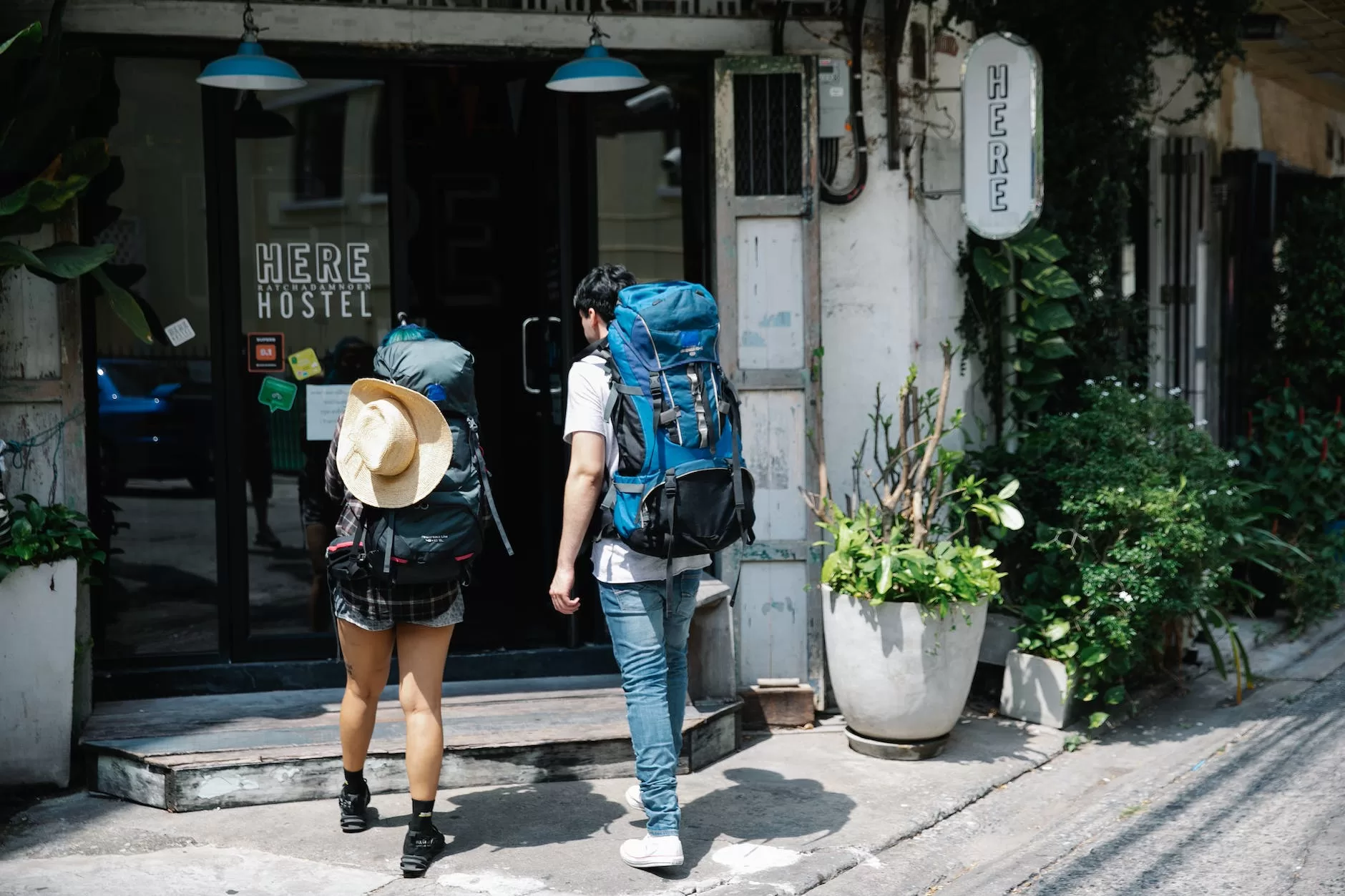
Not every budget trip requires sleeping on a stranger’s sofa or caring for an emotionally complicated dachshund. Hostels, guesthouses, budget hotels, and rental apartments remain some of the most dependable cheap places to stay.
The right choice depends on how many people are traveling, how long you will remain, and which amenities actually matter.
Hostels
Hostels are often the first place solo travelers should check. Dormitory beds can cost considerably less than private hotel rooms, while communal kitchens and shared spaces may reduce food expenses and make it easier to meet other travelers.
Hostelworld is useful for comparing dormitories, private rooms, facilities, and recent guest reviews. Pay particular attention to comments about noise, cleanliness, lockers, bathroom availability, and the surrounding neighborhood. If you are choosing a hostel because you will be traveling alone, my guide to what most people misunderstand about solo travel provides additional perspective on independence, safety, and meeting people along the way.
However, hostels are no longer exclusively rows of bunk beds occupied by backpackers surviving on instant noodles. Many now offer:
- Private rooms
- Women-only dormitories
- Ensuite bathrooms
- Lockers
- Coworking areas
- Shared kitchens
- Organized tours and social events
Private hostel rooms can be excellent for couples who want more privacy without losing the social atmosphere. Always compare their complete price with nearby guesthouses and budget hotels, though. A private hostel room is not automatically the cheapest option simply because someone painted a guitar on the wall.
When comparing hostels, check the dormitory size, locker dimensions, bed curtains, bathroom arrangement, quiet hours, and recent reviews mentioning cleanliness or noise.
Guesthouses and Bed-and-Breakfasts
Guesthouses occupy a useful middle ground between hostels and hotels. They are usually smaller, more personal, and located in residential neighborhoods or historic buildings.
In Portugal, you may also encounter properties described as alojamento local, pensões, or residenciais. The terminology and facilities vary, so judge the individual property rather than assuming every listing provides the same experience.
A guesthouse may offer fewer services than a hotel, but it can provide:
- A private room
- Local recommendations
- A quieter atmosphere
- Breakfast
- A shared kitchen
- More interaction with the owner
Read the room description carefully. Some properties advertise private bedrooms with shared bathrooms, while others include private facilities. Air conditioning, elevators, and heating should never be assumed—particularly in older European buildings.
Guesthouses are often my preferred place to begin when I want affordability without surrendering privacy or sleep.
Budget Hotels
Budget hotels work well for short stays, late arrivals, early departures, and trips where predictability matters more than personality.
A good budget hotel usually provides a private bathroom, reliable check-in, basic housekeeping, and fewer social obligations. That can be priceless after a delayed flight or a travel day that has chewed you up and spat you onto the pavement.
The lowest hotel price may not include:
- Breakfast
- City taxes
- Parking
- Luggage storage
- Air conditioning
- Flexible cancellation
- Early check-in
- Late arrival support
Location also matters. An inexpensive airport hotel may become surprisingly expensive if the shuttle is not free. Similarly, a suburban room can lose its advantage when daily transportation costs are added.
Compare the hotel’s direct website with major booking platforms before paying. The direct rate is not always lower, but it may include better cancellation terms, breakfast, or other useful benefits.
Apartments and Vacation Rentals
Apartments can provide strong value for families, groups, and longer stays. A kitchen, washing machine, refrigerator, and separate living space may reduce the complete cost of the trip even when the nightly price exceeds that of a hostel or budget hotel.
They are particularly useful when:
- Three or more people are traveling together
- You want to prepare some meals
- You need laundry facilities
- You are staying for several nights
- You need space to work remotely
- Hotel rooms are unusually expensive
Vacation rentals also produce some of the most misleading advertised prices. Cleaning charges, service fees, taxes, and deposits can transform an apparent bargain into something much less exciting.
Check the final checkout price before comparing properties. Then review:
- The exact location
- Public transportation
- Check-in instructions
- Stairs or elevator access
- Heating and air conditioning
- Kitchen equipment
- Noise complaints
- Cancellation rules
- Luggage storage after checkout
For one- or two-night stays, cleaning fees may eliminate the savings. For a week or longer, the kitchen and laundry facilities can make an apartment considerably more economical.
Which Option Usually Offers the Best Value?
For solo travelers, a well-reviewed hostel usually provides the lowest conventional price. Couples should compare private hostel rooms, guesthouses, and budget hotels because the difference may be smaller than expected.
Families and groups often receive better complete value from an apartment. For a short overnight stop, a predictable budget hotel may be worth paying slightly more.
The best deal is the accommodation that supports the trip—not the room that forces the entire trip to revolve around surviving it.
Overlooked Cheap Places to Stay

Hostels and budget hotels dominate accommodation searches, but several less obvious options can provide excellent value. These alternatives are especially useful when conventional rooms become expensive during festivals, holidays, or peak travel seasons.
Monasteries and Religious Guesthouses
Some monasteries, convents, retreat centers, and religious institutions offer simple rooms to travelers. You do not always need to be religious, although every property establishes its own rules.
For bookable convent and monastery accommodation in Italy and Austria, Monastery Stays provides photographs, prices, availability, and property information. It is not a worldwide directory, so you should also search destination tourism websites and the official pages of individual religious institutions. Confirm curfews, bathroom arrangements, meal schedules, and whether the property welcomes travelers who are not visiting for religious purposes.
Rooms are generally functional rather than luxurious. Depending on the property, a stay may include:
- A private or shared room
- Simple meals
- Shared bathrooms
- Quiet communal areas
- Historic surroundings
- Early curfews or restricted access
These properties appeal to travelers seeking quiet, reflection, or a memorable alternative to a standard hotel. They are not the place to organize an impromptu punk-rock afterparty.
Check whether the property accepts general tourists, how payment or donations work, and whether guests must attend services. Booking may require direct contact because many religious guesthouses do not appear on major accommodation platforms.
Farm Stays and Rural Accommodation
Farm stays range from rustic rooms on working farms to polished countryside guesthouses. Some are paid accommodations, while others operate as work exchanges.
A paid farm stay can provide strong value when meals, activities, or access to a kitchen are included. It also offers a different perspective on the destination, particularly in regions where rural traditions, agriculture, and food production remain central to local life.
Before booking, determine:
- Whether farm work is expected
- Which meals are included
- Whether you need a car
- How far the property is from shops
- Whether the room has heating or air conditioning
- Which activities cost extra
- Whether animals enter guest areas
A countryside room may be affordable, but the savings disappear quickly if you require an expensive taxi every time you want dinner.
University Accommodation
Some universities rent vacant residence rooms to travelers during academic breaks. Availability is usually seasonal and more common during the summer.
University accommodation can offer:
- Central or transit-accessible locations
- Private or shared rooms
- Laundry facilities
- Shared kitchens
- Longer-stay discounts
- Basic but functional furnishings
These rooms are rarely glamorous, but they can provide practical accommodation in cities where hotel prices are high. Search for university residences, student housing, or summer accommodation at your destination.
Confirm that the property accepts nonstudents and examine the bathroom arrangement. “Private room” does not necessarily mean “private bathroom,” a distinction worth discovering before you arrive with your towel and misplaced optimism.
Hotel Points and Free-Night Rewards
Hotel points can transform an otherwise expensive room into one of the cheapest places to stay. Travelers may earn them through hotel loyalty programs, eligible credit cards, promotions, or previous stays.
Points are most useful when cash prices are unusually high, such as during major events or last-minute trips. However, an award night is not automatically a good redemption.
Before using points, compare:
- The normal cash rate
- The number of points required
- Taxes or fees still payable
- Cancellation conditions
- Whether breakfast is included
- How soon the points expire
- Whether saving the points for another trip provides better value
Avoid spending money purely to collect rewards you may never use. Loyalty programs should support your travel plans—not convince you to book unnecessary nights while pretending it is financial wizardry.
Search Beyond the Biggest Booking Platforms
Unusual accommodations do not always appear in major search results. Try destination tourism websites, university housing pages, regional accommodation directories, religious hospitality listings, and direct searches for specific property types.
Useful searches include:
- “Monastery accommodation in [destination]”
- “University summer rooms in [city]”
- “Affordable farm stay near [destination]”
- “Religious guesthouse in [city]”
- “Student accommodation for tourists in [city]”
Always verify the property through recent reviews, an official website, or direct communication before paying. An unusual place to stay should produce a memorable story—not an avoidable crime documentary.
How to Find Cheap Places to Stay

Finding cheap places to stay is less about discovering one magical booking website and more about comparing the right details in the right order.
I begin with the map—not the price list. A room is only useful when its location works with the trip. Once I understand where I need to be, I compare several accommodation types and calculate their complete cost.
1. Define the Area Before Searching
Start by identifying the places you expect to visit, the transportation you will use, and the neighborhoods that make sense.
Ask:
- Can I walk to the main attractions?
- Is the property near reliable public transportation?
- How will I return after dark?
- Will I need a rental car?
- How much will daily transportation cost?
- Is an airport, train station, or bus terminal important?
Do not assume the historic center is always the best location. A neighborhood one metro stop away may offer lower prices, better food, and fewer souvenir shops selling identical refrigerator magnets.
The key is avoiding accommodation so remote that transportation erases the savings.
2. Compare Different Accommodation Types
Use Booking.com and Agoda as comparison tools rather than unquestionable final authorities. Search the same property, room type, dates, occupancy, cancellation terms, and meal plan on each platform. Then check the property’s official website because booking directly may provide a better rate, breakfast, flexible cancellation, or another benefit. The lowest number is meaningless when it describes a different room or removes the cancellation policy you actually need.
Search beyond hotels. For the same destination and dates, compare:
- Hostel dormitories
- Private hostel rooms
- Guesthouses
- Budget hotels
- Apartments
- University residences
- House-sitting opportunities
- Home exchanges
- Farm stays
- Religious guesthouses
A private hostel room may cost more than a nearby guesthouse. An apartment might look expensive until its kitchen and laundry facilities are considered. The cheapest category changes according to the destination, season, and number of travelers.
3. Test Flexible Dates
Accommodation prices can change dramatically around weekends, public holidays, conferences, festivals, and major sporting events.
If your itinerary allows it, test:
- Arriving one day earlier
- Arriving one day later
- Weekdays instead of weekends
- Shoulder-season dates
- A shorter or longer stay
- Reversing the order of your destinations
Moving a stay by a single night can sometimes reduce the average price. It can also reveal minimum-stay requirements that were hiding affordable properties from the original search.
Before changing dates, calculate the effect on flights and transportation. Saving on a hotel accomplishes very little if the new airfare costs substantially more.
4. Use the Map View
Booking platforms often encourage travelers to sort by the lowest advertised price. I prefer map view because it immediately shows whether an apparent bargain is located anywhere near the trip I am planning.
Use the map to check:
- Distance from the center
- Nearby transit stops
- Walking routes
- Restaurants and grocery stores
- Airport or station access
- The surrounding neighborhood
- Whether a river, railway, or motorway complicates the route
A property described as “ten minutes from the center” may mean ten minutes by car under ideal conditions—not ten minutes on foot while dragging a suitcase over medieval stones.
5. Compare More Than One Booking Source
Search at least two reputable accommodation platforms, then check the property’s official website when one exists.
Direct booking may provide:
- A lower or matching price
- Breakfast
- Better cancellation terms
- Room upgrades
- More accurate room information
- Direct communication with the property
However, the direct rate is not automatically better. Compare identical room types, dates, payment conditions, and cancellation policies before deciding.
Never send money through an unusual payment method simply because someone promises a secret discount. If the booking suddenly requires cryptocurrency, gift cards, or a transfer to someone’s mysterious cousin, return to civilization.
6. Compare the Final Checkout Price
Do not compare the number displayed in the search results. Continue far enough through the booking process to see the final price.
Look for:
- Taxes
- Cleaning fees
- Service charges
- Resort or destination fees
- Linen or towel fees
- Parking
- Breakfast
- Deposits
- Currency-conversion charges
- Charges for additional guests
Divide the final total by the number of nights and travelers. That calculation produces a far more useful comparison than the advertised nightly rate.
7. Read Recent Reviews Strategically
Do not attempt to read every review written since the property opened. Focus on recent reviews from travelers with needs similar to yours.
Search within the reviews for:
- Noise
- Bed
- Cleanliness
- Wi-Fi
- Heating
- Air conditioning
- Bathroom
- Stairs
- Neighborhood
- Transportation
- Check-in
One furious review should not determine the decision. Repeated complaints about the same problem should.
Pay attention to how management responds. A professional response can build confidence. An owner arguing with every dissatisfied guest like the comments section beneath a political video is less reassuring.
8. Check Longer-Stay Discounts
Weekly and monthly rates can lower the average nightly cost. If you are practicing slow travel, compare seven nights with six and thirty nights with twenty-eight.
Longer stays may also reduce:
- Transportation expenses
- Cleaning fees per night
- Laundry costs
- Food expenses through kitchen access
- The time wasted repeatedly checking in and out
Do not extend a stay solely to unlock a discount. Spending €200 more to “save” €40 is still spending €200 more, regardless of how enthusiastically the booking platform celebrates your deal.
My Cheap-Accommodation Booking Routine
My usual process is straightforward:
- Mark the areas where I am willing to stay.
- Search several accommodation types.
- Compare flexible dates.
- Examine the map and transportation.
- Check at least two platforms and the property website.
- Calculate the complete cost.
- Read recent reviews for recurring problems.
- Book the option that offers the best overall value.
This approach takes slightly longer than choosing the first low price, but it helps prevent cheap accommodation from becoming an expensive inconvenience.
Accommodation Safety and Hidden Costs
Cheap accommodation stops being a bargain when it feels unsafe, creates unexpected expenses, or leaves you stranded outside a locked building at midnight.
Suspicious payment requests, invented booking problems, and claims that your reserved property has suddenly closed can be part of broader tourist fraud. Review these common travel scams and warning signs before departure. Even careful travelers can encounter cancellations, illness, theft, or disrupted transportation, so my guide to understanding travel insurance explains what to examine before purchasing coverage.
Before confirming any place to stay, I complete one final check covering the property, neighborhood, payment method, arrival process, and complete cost.
Verify the Property Before Paying
A professional-looking listing does not guarantee that the property exists or that the person collecting payment controls it.
Look for:
- Recent reviews across more than one source
- A consistent property name and address
- Clear photographs of the actual rooms
- Working contact information
- A secure booking process
- Written cancellation and refund conditions
- Realistic prices for the destination and dates
Be cautious when someone pressures you to leave a reputable platform and pay through an unusual method. Never send card details through email or an unsecured message.
Some legitimate accommodations must collect passport or identification details to comply with local registration laws. Confirm that the property is legitimate and that documents are submitted through a secure system before sharing sensitive information.
Read Reviews for Patterns
Reviews are most useful when several travelers mention the same problem. One person may complain because the church bells rang in a historic neighborhood. Twenty people describing broken locks deserve considerably more attention.
Search recent reviews for:
- Unsafe neighborhood
- Broken locks
- Unresponsive host
- Hidden fees
- Bedbugs or pests
- Mold
- Dirty bathrooms
- Missing reservations
- Misleading photographs
- Aggressive staff
- Noise
- Heating or air-conditioning failures
Also look at who wrote the review. A party hostel may be perfect for someone seeking nightlife and miserable for a traveler who intends to sleep before sunrise.
Check the Exact Location and Arrival Route
Study the route from the airport, station, or bus terminal before booking. A neighborhood that feels manageable during daylight may become difficult when arriving late with luggage.
Confirm:
- The full address
- Public transportation operating hours
- The final walking route
- Street lighting
- Reception hours
- Late-arrival procedures
- Key or access-code instructions
- Whether stairs, hills, or rough pavement create problems
Save the address, telephone number, reservation details, and check-in instructions offline. Mobile data has a remarkable ability to disappear precisely when you are standing beside three identical doors in the rain.
When possible, plan to arrive during daylight—particularly at shared homes, rural properties, or places without a staffed reception desk.
Ask More Questions About Shared Accommodation
Hostels, hospitality exchanges, home exchanges, and work stays require additional checks because you may share space with strangers.
Before arriving, determine:
- Whether the bedroom is private or shared
- Who else can access the property
- Whether lockers are available
- Whether you need your own padlock
- How bedroom and exterior doors lock
- Whether mixed and women-only dormitories are available
- How bathrooms are shared
- Whether guests can bring visitors
- Who to contact if something feels wrong
Trust your instincts. You do not need to remain in an uncomfortable situation to avoid offending a host or losing money. Keep enough emergency funds to book alternative accommodation if necessary.

Check These Common Hidden Costs
| Potential cost | What to confirm |
|---|---|
| Cleaning fee | Is it included in the displayed total, and is it charged once or per night? |
| City or tourism tax | Is it included, or must it be paid separately at check-in? |
| Service charge | Does the platform add a fee during checkout? |
| Security deposit | How much is held, and when will it be released? |
| Parking | Is it free, reserved, or located off-site? |
| Breakfast | Is it included in every rate or only selected packages? |
| Towels and linens | Are they included, rented separately, or unavailable? |
| Air conditioning or heating | Is climate control included in the rate? |
| Late check-in | Is there a charge for arriving after reception closes? |
| Luggage storage | Can bags be stored before check-in or after checkout? |
| Resort or facility fee | Is there a mandatory daily charge for amenities? |
| Currency conversion | Which currency will be charged, and who sets the exchange rate? |
| Transportation | What will it cost to reach the property and travel each day? |
Take a screenshot of the final price and booking terms. It provides a useful record if the property later presents a creative interpretation of what “included” means.
Recognize the Major Red Flags
Pause before booking when you notice:
- A price dramatically lower than every comparable property
- No recent reviews
- Photos that appear inconsistent
- Pressure to pay immediately
- Requests for gift cards, cryptocurrency, or unrelated transfers
- A host refusing to provide the address
- Different property names across websites
- Vague cancellation conditions
- Repeated complaints about missing reservations
- Communication that becomes evasive when you ask basic questions
Not every inexpensive property is suspicious. Some places are simply basic, family-run, or located beyond the busiest tourist district. The concern is not a lack of luxury—it is a lack of transparency.
When Paying More Is the Cheaper Decision
I will pay slightly more for a secure location, reliable transportation, flexible cancellation, and enough comfort to sleep properly.
A cheaper room can become more expensive when it requires daily taxis, provides no kitchen, charges additional fees, or leaves you exhausted. The goal is affordable travel, not winning a competition to endure the most questionable mattress.
Choose the least expensive accommodation that meets your essential standards for safety, location, cleanliness, and rest. Everything beyond that is negotiable.
What Experience Has Taught Me About Cheap Places to Stay
When I began traveling, I treated the lowest nightly price as the winner. Experience has made my definition of “cheap” considerably less obedient.
A room is not truly affordable when it prevents you from sleeping, requires expensive transportation, or leaves you too exhausted to enjoy the destination. The real goal is finding somewhere that supports the trip without consuming the travel budget.
The Camino Changed How I Value Rest
Walking the Camino Francés with Sage reinforced this lesson. Simple pilgrim accommodation helped keep a long journey affordable, and shared spaces created opportunities to meet people we would never have encountered in a conventional hotel.
Those connections were part of the experience rather than a compromise.
However, our legs were strained, and Sage was still dealing with pain from an earlier fall. On difficult days, recovery mattered more than squeezing every possible euro from the accommodation budget. A private room, a good shower, dependable laundry, or a quiet night could protect the following day’s walk.
The cheapest bed is not always the best value when your body is filing a formal complaint against the itinerary.
Location Matters in Portugal
Living in Coimbra and traveling around Portugal has also made me suspicious of accommodation described as “only a short walk away.”
Portuguese cities can involve steep hills, staircases, cobbled streets, and routes that appear perfectly reasonable until you add luggage and summer heat. A room outside the historic center may offer excellent value when it sits beside a metro or dependable bus route. The same room becomes inconvenient when every journey requires a long climb or paid transportation.
Accommodation decisions become considerably easier once you understand how Portugal’s destinations and transportation networks fit together. My Portugal travel guide can help you compare Lisbon, Porto, Coimbra, the Algarve, and other regions before deciding where to establish a base.
I now examine the route between the property, transportation, and the places I want to visit before comparing prices.
Amenities Can Save More Than the Room Rate
For longer stays, I place more value on a kitchen and washing machine. Preparing a few meals and doing laundry can save more money than choosing a cheaper room without either amenity.
For short stays, I usually value location, simple check-in, and luggage storage. There is little benefit in saving money on a one-night room if reaching it requires crossing half the region and deciphering instructions resembling an escape-room puzzle.
My Personal Rule
I no longer ask, “What is the cheapest room?”
Instead, I ask:
Which accommodation gives me the location, safety, rest, and facilities I need at the lowest complete cost?
That small change has helped me avoid false bargains while still traveling affordably. Cheap accommodation should make a journey possible—not become the main obstacle you must survive.
Frequently Asked Questions About Cheap Places to Stay
What should I check before confirming a cheap room?
Before booking, verify:
- The final price after taxes and fees
- The exact location
- Transportation costs
- Bathroom and bedroom arrangements
- Check-in hours
- Cancellation conditions
- Recent reviews
- Heating or air conditioning
- Wi-Fi if you need it
- Deposits and additional charges
If the property meets your essential requirements and the complete cost fits your budget, stop hunting for a mythical perfect deal and book it.
Atypical Last Thoughts

Finding cheap places to stay is not about accepting the smallest room, the loudest dormitory, or a mattress apparently designed during the Spanish Inquisition.
It is about understanding what you actually need and refusing to pay for what you do not.
A hostel may be perfect for a solo city break. An apartment can provide better value for a family or longer stay. House sitting, home exchanges, and hospitality networks may unlock nearly free accommodation for flexible travelers. Guesthouses and budget hotels often provide the balance of price, privacy, and convenience that many travelers want.
Whatever you choose, compare the complete cost. Include transportation, taxes, cleaning charges, meals, laundry, cancellation terms, and the value of your time. Then verify the location, recent reviews, payment process, and arrival instructions.
The cheapest advertised room is not always the least expensive place to stay. The best budget accommodation allows you to sleep safely, reach the places you came to experience, and preserve enough money for the adventure itself.
Once your accommodation is sorted, continue planning with my guide to finding cheaper flights without wasting hours. You can then use these essential travel tips to prepare your budget, luggage, documents, safety plan, and travel days.
Spend thoughtfully, travel deeper, and never let a suspiciously cheap mattress become the main character of your vacation.
Meet Carter

I’m Carter, an American traveler living in Portugal and the creator of Atypical Vagabond. After selling my technology business, I traded the conventional path for slow travel, life abroad, and a slightly unreasonable number of long walks across Europe. I share honest Portugal guides, Camino stories, digital nomad advice, and practical lessons to help you explore the world with greater confidence and purpose.
Subscribe
Looking for honest travel inspiration without the polished influencer nonsense?
Join the Atypical Vagabond newsletter for offbeat destination guides, Portugal travel tips, digital nomad lessons, slow travel stories, and the occasional reminder that the ordinary path is wildly overrated.
I share the victories, wrong turns, hidden gems, and real-life chaos that come with building a life around travel. No corporate fluff. No recycled bucket lists. Just useful advice, personal stories, and unconventional adventures designed to help you travel deeper, stay curious, and create your own damn route.
Subscribe and let’s reject the ordinary together.
Donations
Enjoying the stories, guides, videos, and occasional travel disaster here at Atypical Vagabond?
A small donation helps cover the real costs behind the adventures—from transportation and website hosting to camera gear, research, and enough coffee to keep the next guide moving.
There are no giant sponsors pulling the strings and no polished corporate travel machine hiding backstage. Your support helps me continue creating honest travel stories, practical Portugal guides, digital nomad advice, and unconventional adventures for travelers who prefer the road less rehearsed.
Every contribution helps keep Atypical Vagabond independent.
Fuel the next adventure through PayPal—and help me keep rejecting the ordinary.
3 responses to “Cheap Places to Stay: How to Find Affordable Accommodation Anywhere”
-
[…] How to Find Cheap Places […]
-
[…] One of the easiest ways to plan a trip to Portugal is by booking a vacation package that covers all the logistics. Many packages include flights, hotels, and even a rental car and rentals, making it a seamless experience from start to finish. Some packages offer exclusive tours like wine tastings in Porto or a Fado night in Lisbon—extras that make a huge difference in experiencing Portugal’s culture firsthand. And if you’re looking to treat yourself, luxury travel packages often come with fine dining experiences and high-end accommodations. […]
-
[…] medina de part offers a range of accommodations, from charming riads (traditional Moroccan guesthouses) to upscale hotels. Dining options are […]
























Leave a Reply