While exploring Alentejo, I stumbled into a landscape that felt almost prehistoric—vast fields, golden hills, and standing tall in quiet clusters… cork oak trees.
There’s something grounding about them. These aren’t just any trees. They’re slow-growing, long-living, and deeply tied to Portugal’s identity. But more than that—they’re a living symbol of sustainability.
Here’s what blew my mind: cork harvesting doesn’t harm the tree. In fact, the trees need to be harvested to thrive. The bark regenerates, and each tree can be stripped up to 17 times in its life. No cutting down. No deforestation. Just careful, patient stewardship.
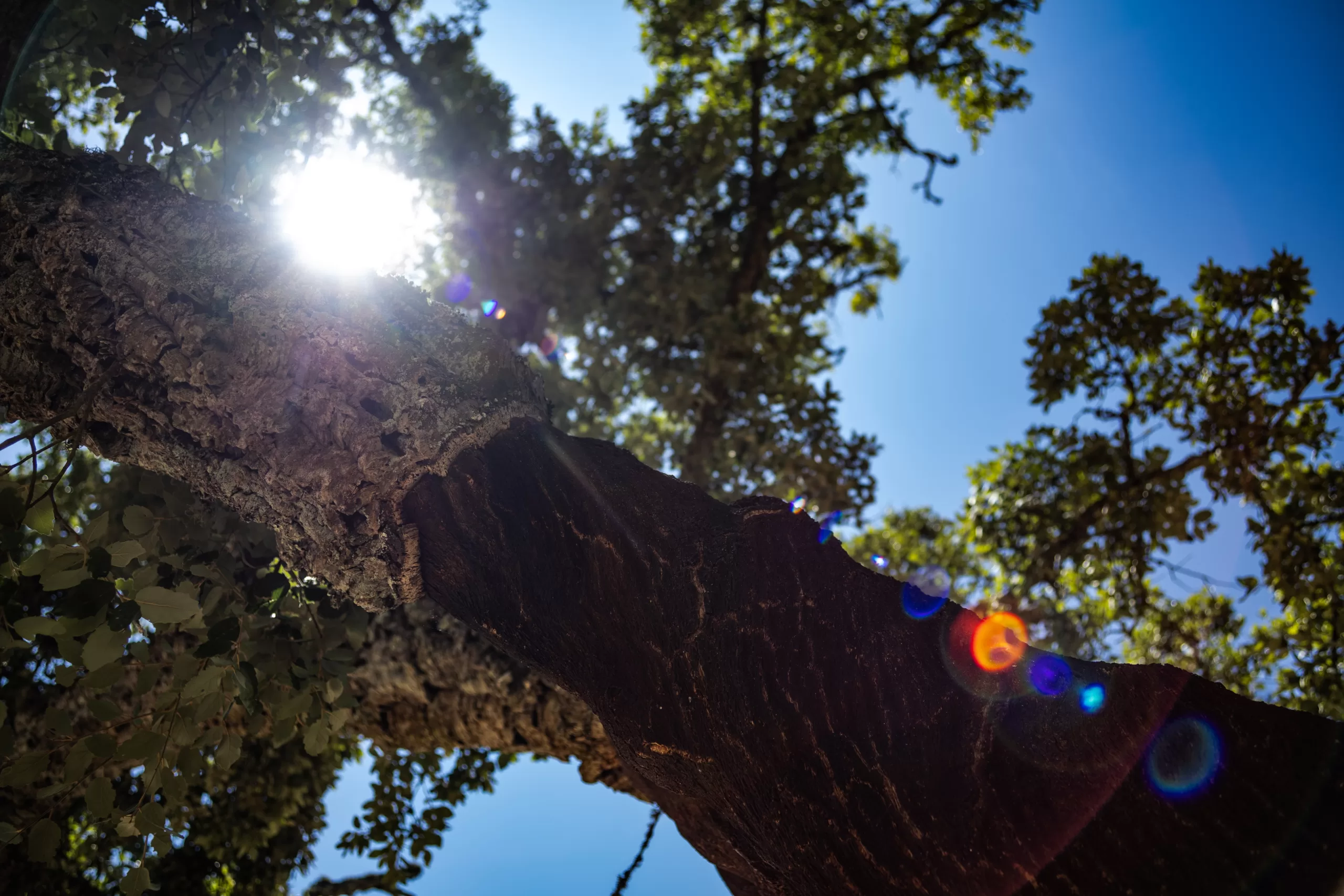
![A cork oak tree mid-harvest, the contrast of exposed bark and outer shell glowing in the late-day sun. Taken just outside Évora.]](https://i0.wp.com/atypicalvagabond.com/wp-content/uploads/2025/07/AlentejoCorkTree-1024x683.webp?resize=1024%2C683&ssl=1)
I took this photo standing under one of the older oaks, its bark half-stripped, its canopy stretching wide like an umbrella for wandering nomads like me. A local explained how cork forests (called montados) are also biodiversity hotspots—home to rare eagles, wild boars, and the occasional fox who couldn’t care less that I was trying to film B-roll.
Being here made me think more deeply about what sustainable travel actually means. It’s not just offsetting flights—it’s slowing down, understanding local ecosystems, and recognizing how tradition and nature can work together instead of against each other.
I’ll be sharing more of this trip in an upcoming members-only vlog, but for now, here’s my question for you:
👉 What’s the most sustainable travel experience you’ve ever had—or one that made you see the world differently?
Drop a comment—I’d love to hear it.