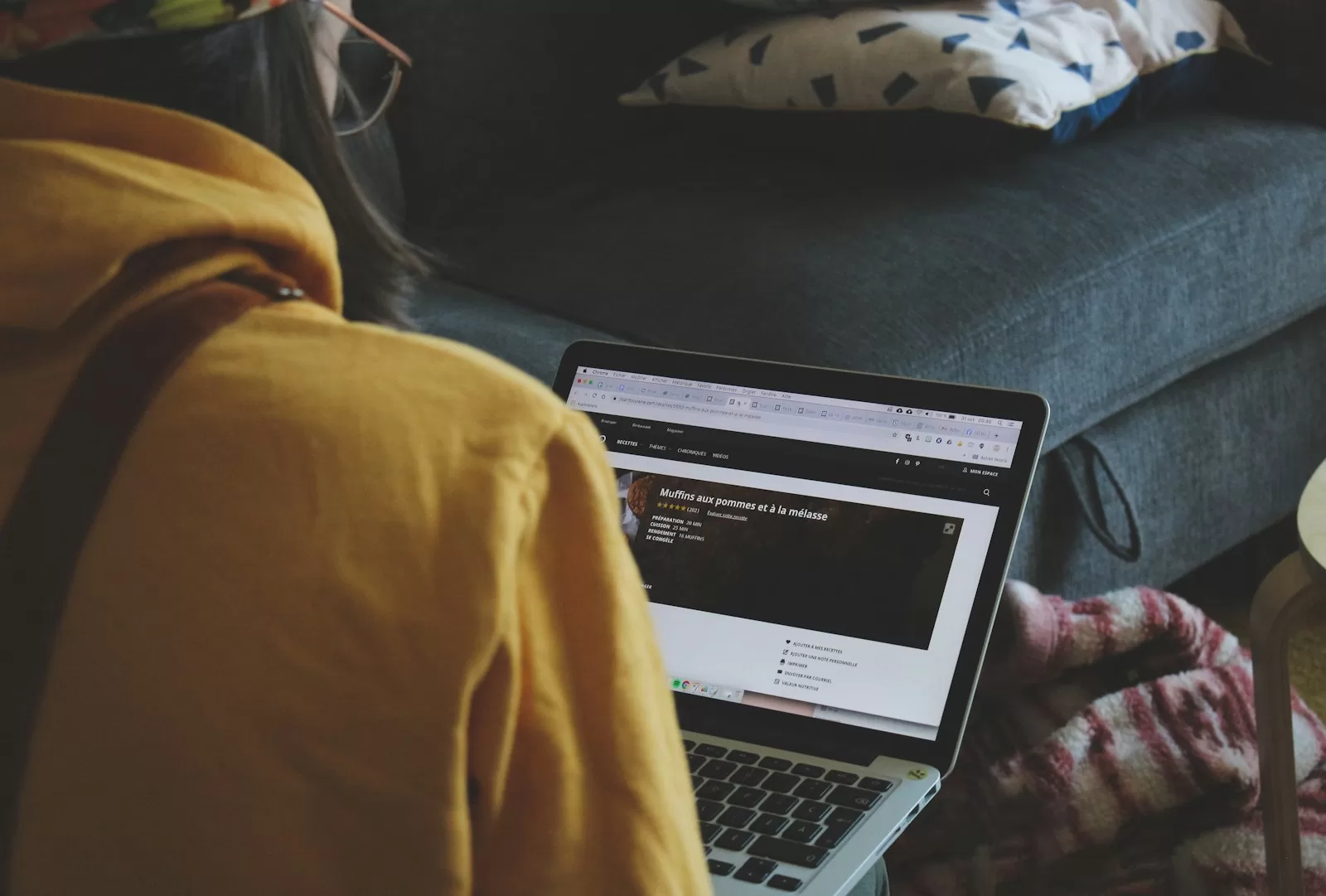
Iโll never forget the first time I opened my laptop under a palm tree and thought, โThis is the office now?โ Thatโs when it hit meโI was officially living as a nomad in a foreign country. All because I was able to work remotely. However, I wondered what the best countries are for digital nomads.
Being a digital nomad means more than just working remotely; itโs about embracing a nomadic lifestyle of freedom, discovery, flexibility, and many benefits. Iโve lived and worked in half a dozen countries, and each one has taught me something newโnot just about the world but how I want to live.
This lifestyle isnโt about escaping responsibility; itโs about redefining it. With Wi-Fi as our lifeline, nomads hop from cafรฉs to co-working hubs, jungle retreats to cobblestoned citiesโall while staying connected and productive, often relying on internet speed. And the best part? The number of people doing this is growing every day. Itโs no longer fringe. Itโs the future of work for remote workers looking for flexibility and adventure.
Benefits of the Digital Nomad Lifestyle

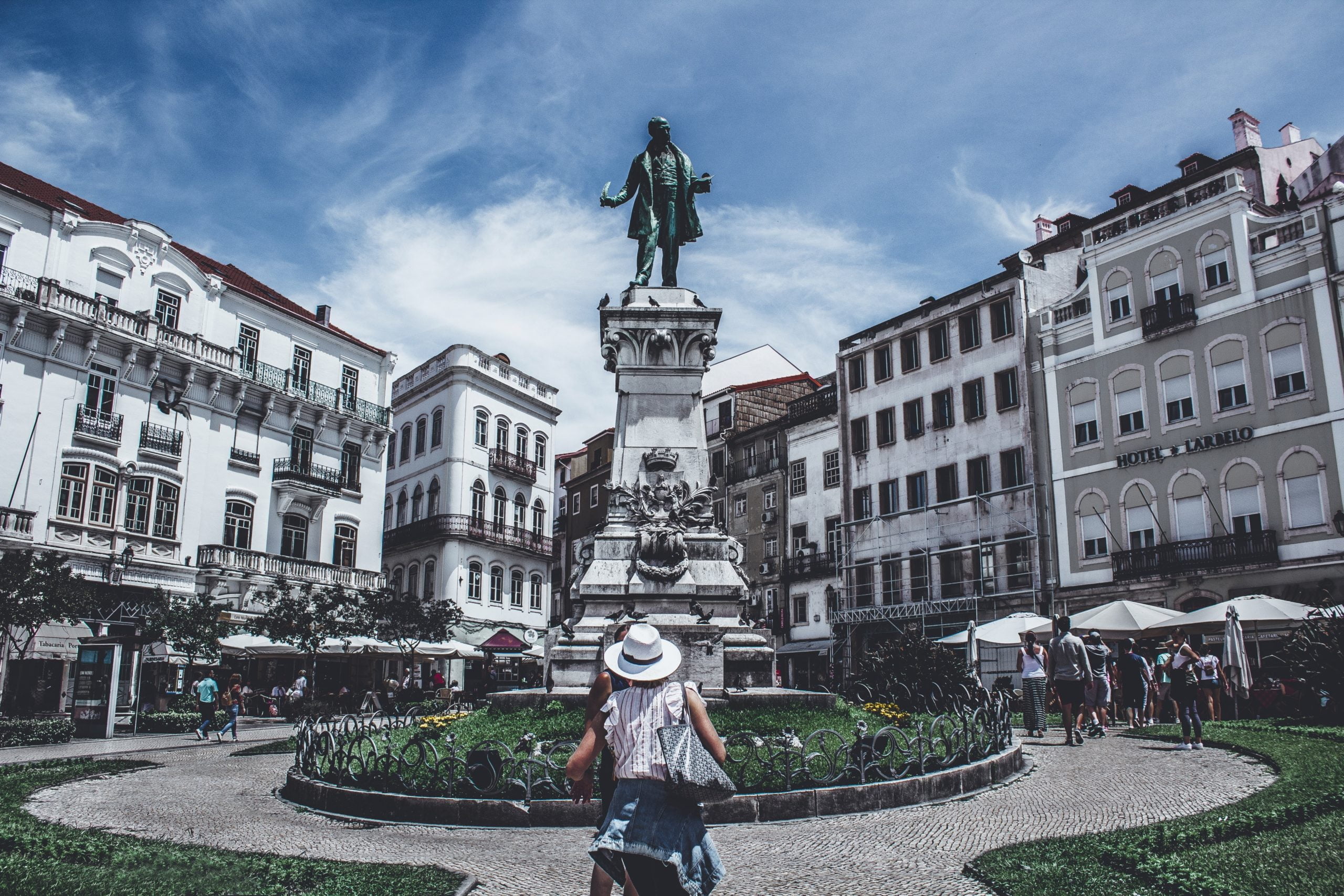
One of the biggest perks is location freedom. Iโve written blog posts from Lisbon rooftops, edited videos in Medellรญn cafรฉs, and attended meetings with a view of the Aegean Sea.
But beyond the aesthetics, being a digital nomad truly allows you to immerse yourself in different cultures. You meet people from all walks of lifeโlocals, expats, fellow nomadsโand your worldview gets shaken up in the best way possible.
It’s also surprisingly cost-effective. Living in places where your dollar, euro, or pound goes further can stretch your budget while upgrading your lifestyle. And with some thoughtful planning, tax incentives and financial advantages come with the territory, such as providing proof of health insurance.
Digital Nomads Live: What Itโs Really Like

Living as a digital nomad isnโt always hammock-side Zoom calls and Instagram-worthy sunsets, though thereโs plenty of that too. Itโs a lifestyle filled with freedom and a fair share of unpredictability. You quickly learn to adapt, problem-solve, and lean into the unknown. One week, you’re sipping espresso in Rome; the next, youโre chasing down reliable Wi-Fi in a mountain town in Slovenia.
The rhythm of this life takes shape over time. You develop routines in foreign citiesโyour go-to grocery shop, your favorite co-working space, and the locals who greet you with a nod. The beauty of nomadic living is that every place becomes home, for a little while. Thereโs a thrill in starting fresh and a calm in finding familiarity in unexpected places.
What About Family Members?
Hereโs something we donโt talk about enough in the nomad world: family. For many of us, this life isnโt solo. Whether traveling with a partner, kids, or staying connected with loved ones back home, family is part of the journeyโsometimes literally, sometimes virtually.
Some digital nomads travel with their families full-time. And good newsโmany digital nomad visas now allow dependents to be included, whether itโs a spouse or children. Countries like Portugal, Estonia, and Costa Rica have provisions enabling you to bring your crew along, with access to schools, healthcare, and a legal stay.
But for others, the road is a solo pursuit, and loved ones remain behind. That can be one of the most emotionally challenging parts of nomadic living. Time zones stretch conversations thin, and you might miss birthdays or Sunday dinners in your home country. For me, staying grounded with regular video calls, planned visits, and digital traditions (like sharing morning coffee via FaceTime) has made all the difference.
Whether solo or rolling deep with your family in tow, digital nomadism is about building bridgesโnot just across countries, but across the people you love.
Understanding Digital Nomad Visas
Hereโs the game-changer: digital nomad visas. These special programs let people like usโremote workers, freelancers, online entrepreneurs, and other applicantsโlegally live and work in a new country without trying to enter tourist visas or student loopholes. The Netherlands was the first country to create a digital nomad visa scheme in 2000, paving the way for this innovative approach.
Each country has its flavor. Some give you 6 months, others up to 2 years. But they all require some basics: proof of income, health insurance, and a remote job that doesnโt rely on local employment. Sounds fair, right?
If youโre serious about this lifestyle, a digital nomad visa removes the stress of border-hopping and lets you settle in and live somewhere, at least for a while.
Digital Nomad Visas Around the World

Over 50 countries have adopted digital nomad visas. As of 2025, over 50 countries and regions offer digital nomad visas, reflecting the growing global trend of supporting remote workers.
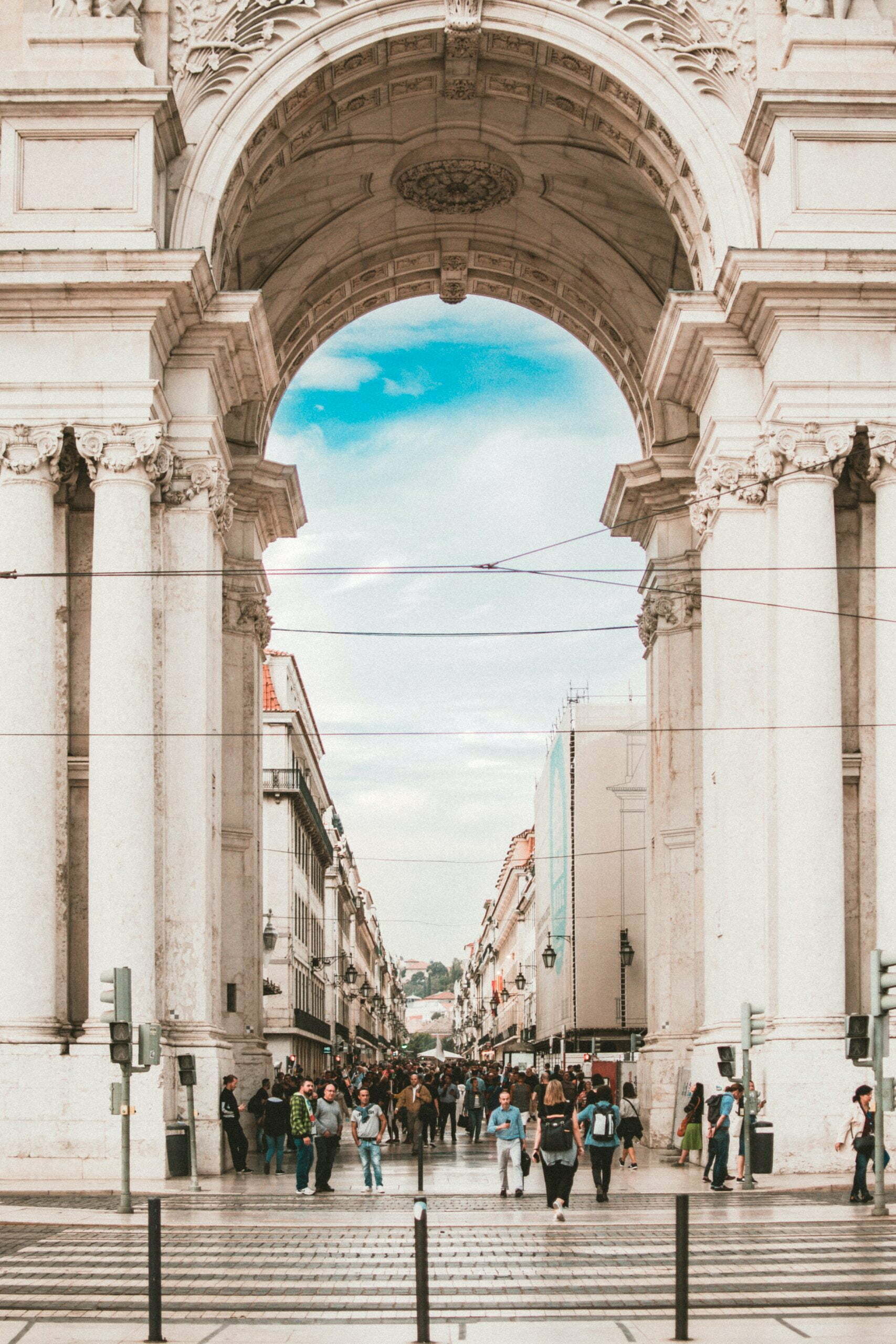
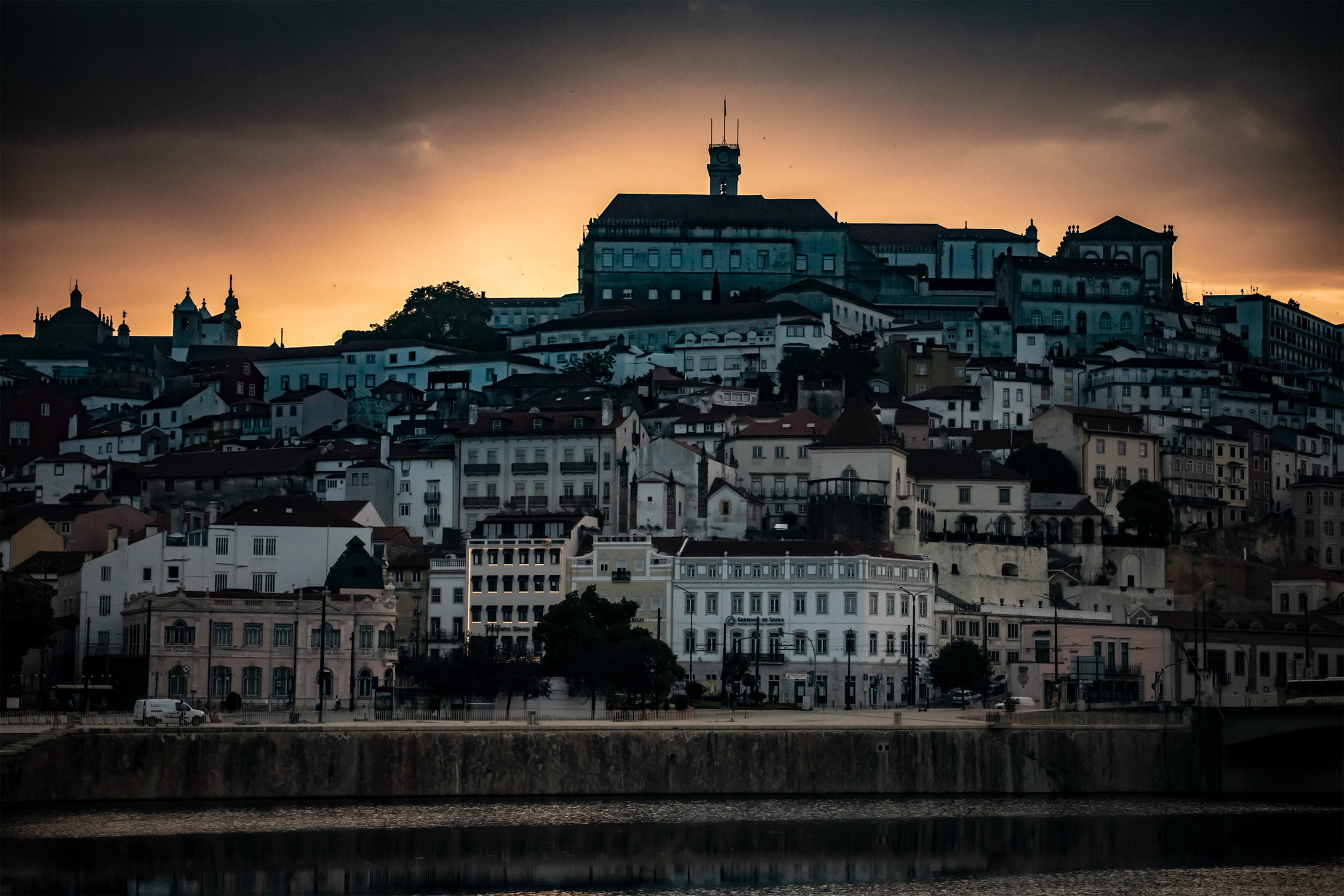
Portugal, where Iโve spent a good chunk of time, offers a low-cost visa with high quality of life. If you like wine, tiled streets, and seaside vibesโyouโre in luck. Spain is another gem, especially Barcelona or the Canary Islands for their vibrant scenes and year-round sunshine. Countries like Spain, Norway, and Estonia have been cited for their robust infrastructure supporting digital nomad visas.
Digital Nomad life in Costa Rica and beyond
The Costa Rica tourism board has strongly pushed to attract digital nomads. Costa Rica offers rainforest adventures and pura vida energy, and as a result, it is consistently among the top seven countries for digital nomads to gain permanent residence.
Then thereโs Malaysia, Malta, Romania, and even new entries like South Korea and Japan, where the blend of modern life and deep tradition creates an unforgettable experience.
Europe tends to draw the most nomads because of its culture and infrastructure, but donโt sleep on Central and South Americaโtheyโre some of the most budget-friendly options with thriving expat communities.
Application Process
The application process for digital nomad visas has become more streamlined in recent years, but itโs not 100% digital everywhere. Some countries let you start the application online, often through their immigration or tourism websites. Youโll typically need to submit:
- A completed application form
- A valid passport
- Proof of income or bank statements
- Health insurance coverage
- (Sometimes) a police clearance or medical certificate. Applicants must have proof of valid health insurance for their stay to qualify for a digital nomad visa.
However, some countries still require an in-person visit to a local embassy or consulate to verify documents or complete biometric data. Depending on the destination and your nationality, processing times can range from a few weeks to a few months. Processing times for digital nomad visas vary by country, typically taking around one month.
Once approved, most digital nomad visas are valid for six months to one year, with the option to renew. Double-check the required documents and requirements on the official government website for the country you’re eyeing, because the details can vary quite a bit.
The Application Form and Supporting Documents
Be prepared to tell your storyโwho you are, what you do, and how you support yourself remotely. The form usually covers your:
- Personal info
- Employment or freelance work
- Income proof
- Application fee
Some countries might ask for a police background check or proof youโve never overstayed a visa. Keep your paperwork tidy and digital copies readyโyouโll thank yourself later. Some countries require a clean criminal record for the digital nomad visa application process.
Cost of Digital Nomad Visas
One of the most important questions I get from fellow adventurers looking to work abroad is: How much does a digital nomad cost?
The truth? It depends a lot on where youโre going. Each country offering a digital nomad visa has its own requirementsโsome are wallet-friendly, while others ask you to show serious income or pay hefty application fees. If you’re considering taking your remote lifestyle global, here’s a quick guide to help you understand the cost of digital nomad visas worldwide in 2025.
๐ฆ๐ฑ Albania
Albania offers one of the more affordable digital nomad programs in Europe. The minimum income requirement sits at $815 per month, making it a solid choice for freelancers or budget-conscious nomads. The visa is still relatively new, but it’s gaining popularity thanks to Albaniaโs scenic landscapes and low cost of living.
๐ฆ๐ฎ Anguilla
Anguillaโs program isn’t the cheapest, but itโs certainly paradise. Details on specific income thresholds are a bit murky, but this British Overseas Territory typically expects applicants to be financially self-sufficient and employed remotely. Prepare for higher living costs typical of island life.
๐ฆ๐ฌ Antigua and Barbuda
For those dreaming of turquoise waters and tropical breezes, Antigua and Barbuda offers the Nomad Digital Residence program. The application fee is $1,500 per individual, and youโll need to prove an expected annual income of at least $50,000. Itโs a higher price tag, but heyโparadise comes at a premium.
๐ง๐ธ Bahamas
The Bahamas rolls out the welcome mat with its Extended Access Travel Stay visa. The application fee is just $25, but youโll also pay a permit fee of $1,000. While they donโt list a hard income requirement, you do need to provide proof of employment. The visa is valid for one year and renewable upon approval.
๐จ๐ด Colombia
Colombia is tough to beat if you’re looking for a digital nomad-friendly destination with vibrant culture and low overhead. The minimum monthly income requirement is just $750, making it one of the most accessible options globally. It’s ideal for newer freelancers, remote workers, and anyone keeping an eye on their budget.
๐จ๐ฟ Czech Republic
In the heart of Central Europe, the Czech Republic offers a long-stay visa for freelancers and remote workers. To qualify, you must show a monthly income of at least $1,670. While not the cheapest option, it offers access to a strong economy, gorgeous cities like Prague, and an excellent travel hub.
๐จ๐ท Costa Rica
A dedicated program extends Costa Ricaโs Rentista visa to digital nomads. The minimum monthly income requirement is $3,000 for individuals or $5,000 for families. Youโll also need private health insurance and proof of remote work. Itโs an amazing option for those seeking biodiversity, beach towns, and pura vida energy.
๐ณ๐ด Norway
Norwayโs program is aimed at self-employed digital professionals, and it’s definitely on the higher end. Youโll need to prove an annual income of at least $38,162. While the cost of living is high, the natural beauty, safety, and infrastructure make it appealing for those who want a taste of Scandi-nomad life.
๐ต๐น Portugal
Portugalโs digital nomad visa has quickly become one of the most popular worldwideโfor good reason. The application fee is $89, plus $78 for the residence card. Youโll need to show a monthly income of at least $3,511. It’s pricier than it used to be, but with Portugalโs quality of life, community of expats, and temperate climate, many find it well worth the investment.
๐ช๐ธ Spain
Spain’s highly anticipated digital nomad visa finally launched, and itโs a strong contender in 2025. The application fee is around $88, but youโll also need to factor in extra costs like official translations and obtaining a NIE (Nรบmero de Identidad de Extranjero). The minimum monthly income requirement is $2,853, and with its diverse landscapes and excellent infrastructure, Spain offers a fantastic work-life balance.
Length of Stay and Renewal
Most digital nomad visas give you up to one year, and some offer renewals for up to five years. A fewโlike Estonia or Greeceโhint at long-term residency options if you fall in love with the place (guilty as charged). Digital nomad visas are generally valid for durations ranging from six months to a year, with some allowing extensions up to five years.
Renewals often require you to resubmit updated income and insurance documents. Itโs a bit of a process, but totally manageable if you stay organized. If you truly fall in love with a place you might even have a pathway to citizenship.
Taxes and Financial Requirements

Ah yes, taxesโthe buzzkill of every dream. But weโve got to talk about them in terms of cost and implications.
Depending on where you’re from and where you live, you might need to pay taxes back home, abroad, or even both. Some countries, like Portugal or Georgia, offer tax breaks or exemptions for nomads, which can be a game-changer. Many digital nomad visas allow for a tax-free period, potentially leading to higher taxes later if one becomes a tax resident.
Make sure you meet minimum income requirements, which usually range from $1,500 to $3,500 monthly, depending on the country. And always, always have health insuranceโitโs required by nearly every program and just smart in general. Digital nomad visa applicants must often demonstrate proof of a minimum monthly income.
Entrepreneurship and Remote Work
If youโre an entrepreneur like me, digital life is your playground, where you can work remotely and travel the world. Iโve met people running e-commerce businesses from Bali, coaching clients from Mexico, or coding apps from cafรฉs in Prague.
Remote work is not tied to an office but to your Wi-Fi connection and creativity. There are many resources: online co-working spaces, Slack communities, Telegram groups, and meetups in every nomad-friendly city.
And many countries are now rolling out startup incentives, mentorships, and funding opportunities explicitly aimed at location-independent entrepreneurs. Itโs an exciting time to be building something while seeing the world.
Atypical Last Thoughts

Becoming a digital nomad changed my life. It allowed me to choose where I live, how I work remotely, and who I surround myself with. The digital nomad visa is the golden ticket that could lead to permanent residency and make it all legit.
Get your foreign affairs in order and remember how long your visa lasts. An extended period of living abroad can be a dream come true.
So if you’re sitting at home country dreaming of a different life filled with cobbled streets, exotic flavors, and spontaneous adventures, know this: the world is opening its doors. And it wants you to explore it by working from anywhere.
Grab your passport, chase that Wi-Fi, and let the world be your office. I promiseโitโs worth it.
Subscribe
Looking for honest travel inspiration without the polished influencer nonsense?
Join the Atypical Vagabond newsletter for offbeat destination guides, Portugal travel tips, digital nomad lessons, slow travel stories, and the occasional reminder that the ordinary path is wildly overrated.
I share the victories, wrong turns, hidden gems, and real-life chaos that come with building a life around travel. No corporate fluff. No recycled bucket lists. Just useful advice, personal stories, and unconventional adventures designed to help you travel deeper, stay curious, and create your own damn route.
Subscribe and letโs reject the ordinary together.
Donations
Enjoying the stories, guides, videos, and occasional travel disaster here at Atypical Vagabond?
A small donation helps cover the real costs behind the adventuresโfrom transportation and website hosting to camera gear, research, and enough coffee to keep the next guide moving.
There are no giant sponsors pulling the strings and no polished corporate travel machine hiding backstage. Your support helps me continue creating honest travel stories, practical Portugal guides, digital nomad advice, and unconventional adventures for travelers who prefer the road less rehearsed.
Every contribution helps keep Atypical Vagabond independent.
Fuel the next adventure through PayPalโand help me keep rejecting the ordinary.



You must be logged in to post a comment.