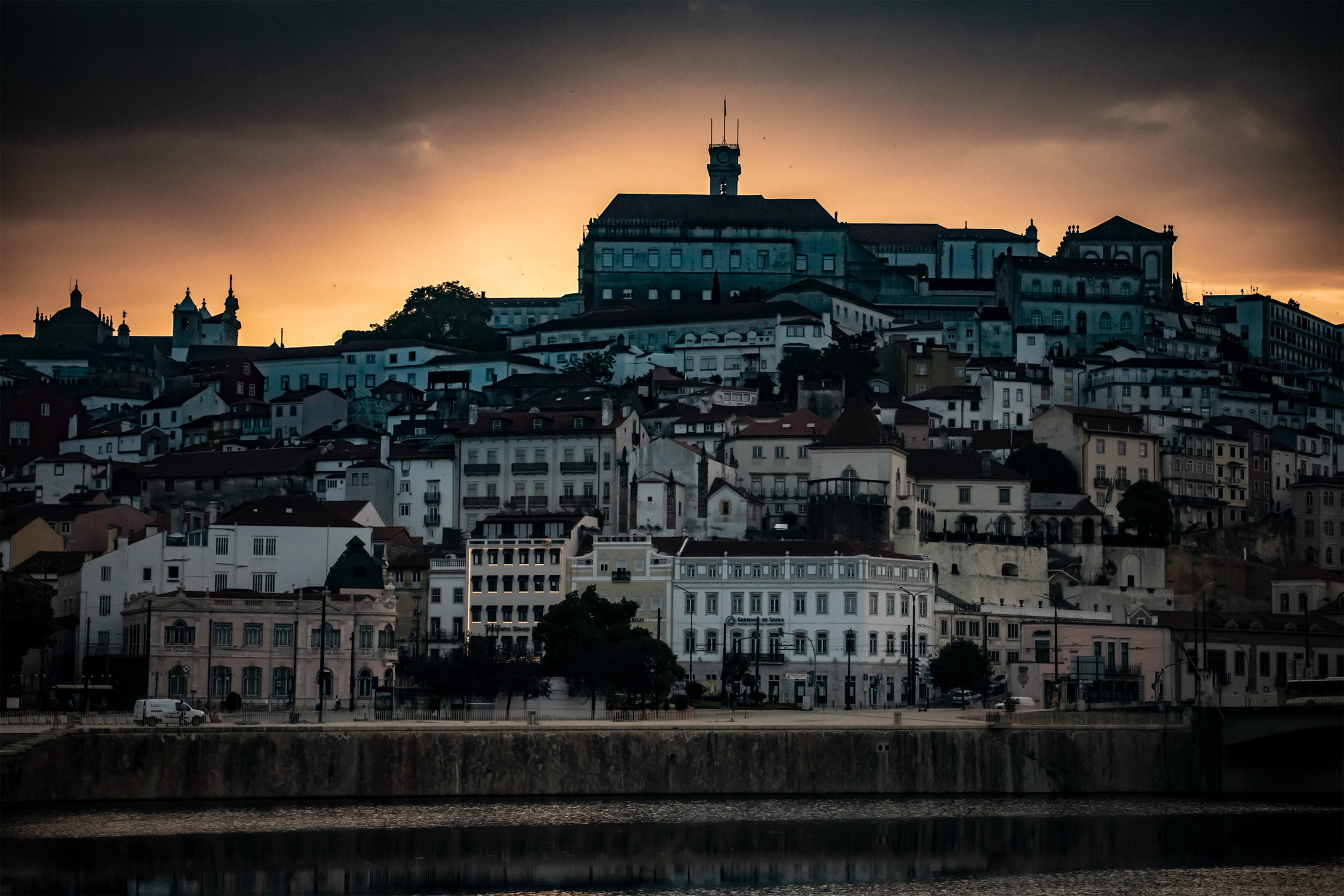
The first time I saw Porto, I was standing on the banks of the Douro River, watching the sunlight bounce off the tiled façades of buildings stacked like dominoes across the hillside. The city felt alive—raw, romantic, and real. Nestled near the Atlantic coast at the river mouth, Porto isn’t just one of the most fascinating cities in northern Portugal, it’s one of the most soulful places I’ve ever explored. Porto is also the second largest city in Portugal, after Lisbon, and serves as the capital of the Porto District, making it one of the major urban areas of the Iberian Peninsula.
This UNESCO World Heritage Site has been holding down the fort since Roman times—literally. Back then, it was called Portus Cale, and over time, that name evolved into Portugal itself. From the historic centre in the Ribeira district to the buzzing creative corners of Rua Miguel Bombarda, every cobbled street holds centuries of stories. Porto’s historic centre, along with the Luiz I Bridge and Monastery of Serra do Pilar, was designated a UNESCO World Heritage Site in 1996. Additionally, the historic center has been a National Monument since 2001 under Law No. 107/2001. And don’t even get me started on the food… or the port wine.
I flew into Francisco Sá Carneiro Airport, just 20 minutes from the city center, and within an hour, I was completely smitten. Whether you’re a first-timer or returning for another taste, Porto has a way of drawing you in deeper. The airport, located about 15 kilometers northwest of the city center, makes it incredibly convenient for travelers. Metro line E connects the airport to the city center, ensuring a smooth arrival experience.
Planning My Trip to Porto

I chose to visit Porto in spring, and let me tell you—that golden season is pure magic. The crowds haven’t yet taken over the streets, the sun is gentle, and the scent of orange blossoms floats through the air. Porto enjoys a warm-summer Mediterranean climate with influences of an oceanic climate, making spring an ideal time to visit. I’ve been back in July, too, and while the festivals are fantastic, it can get hot and packed.
Before arriving, I combed through local blogs and tapped into official resources from the Porto City Council to build my itinerary. Booking accommodations early was key—especially around the time of the Festa de São João, when the city transforms into a carnival of dancing, fireworks, and plastic hammers. Street events during the São João festivities fill the city with celebrations on the night of June 23rd to 24th, making it a truly unforgettable experience.
I stayed in the city center, which made it easy to explore on foot and catch public transport. Trust me, Porto’s public systems are smooth and intuitive. No need for a car.
How I Got Around Porto

Getting around central Porto was a breeze. The metro has six lines and connects nearly every point of interest. I bought an Andante card, which gave me access to buses, trams, and metro with a single tap. It saved me money and time. The metro operates from around 6 a.m. until 1 a.m., making it a reliable option for exploring the city. Currently, the whole metro network spans 70 km and uses 85 stations, making it the biggest urban rail transit system in the country.
That said, my favorite way to experience the city was on foot. Porto’s picturesque streets feel like a living museum, especially when wandering through alleys that spill into the Douro River.
I also rented a bike and cruised along the riverside to the Atlantic coast. That ride—passing by boats, musicians, and sun-drenched cafés—is burned into my memory in the best way possible.
My Top 10 Places to Visit in Porto

While everyone’s travel tastes differ, these ten spots in Porto are must-sees that you should at least check out during your visit. They capture the city’s rich history, vibrant culture, and stunning scenery, offering a well-rounded experience of what Porto has to offer.
No matter your interests, these places provide a fantastic introduction to Porto’s charm and character. While your personal favorites may vary, visiting these ten spots will ensure you capture the essence of this remarkable city.
1. Ribeira District
This place feels like the heartbeat of Porto. Colorful houses hug the south bank, and the whole area vibrates with life. I grabbed a coffee, sat by the river mouth, and just let the views soak in. Watching boats glide under the Dom Luís I Bridge felt like a scene from a movie.
2. Torre dos Clérigos
I climbed all 225 steps of this baroque beauty for an unforgettable view of Porto’s rooftops and the Douro River below. The climb? Totally worth it.
3. Church of São Francisco
I’ve seen a lot of churches, but this one stopped me in my tracks. Gothic from the outside, but step inside and you’ll be wrapped in over 100 kilograms of gold leaf. It’s jaw-dropping.
4. Palácio da Bolsa
This former stock exchange is more palace than business hub. The Arab Room inside feels like something from Aladdin. Guided tours here are a must. The Palácio da Bolsa was originally the stock exchange of Porto and features an ornate Arab Room that is a highlight of any visit.
5. Livraria Lello
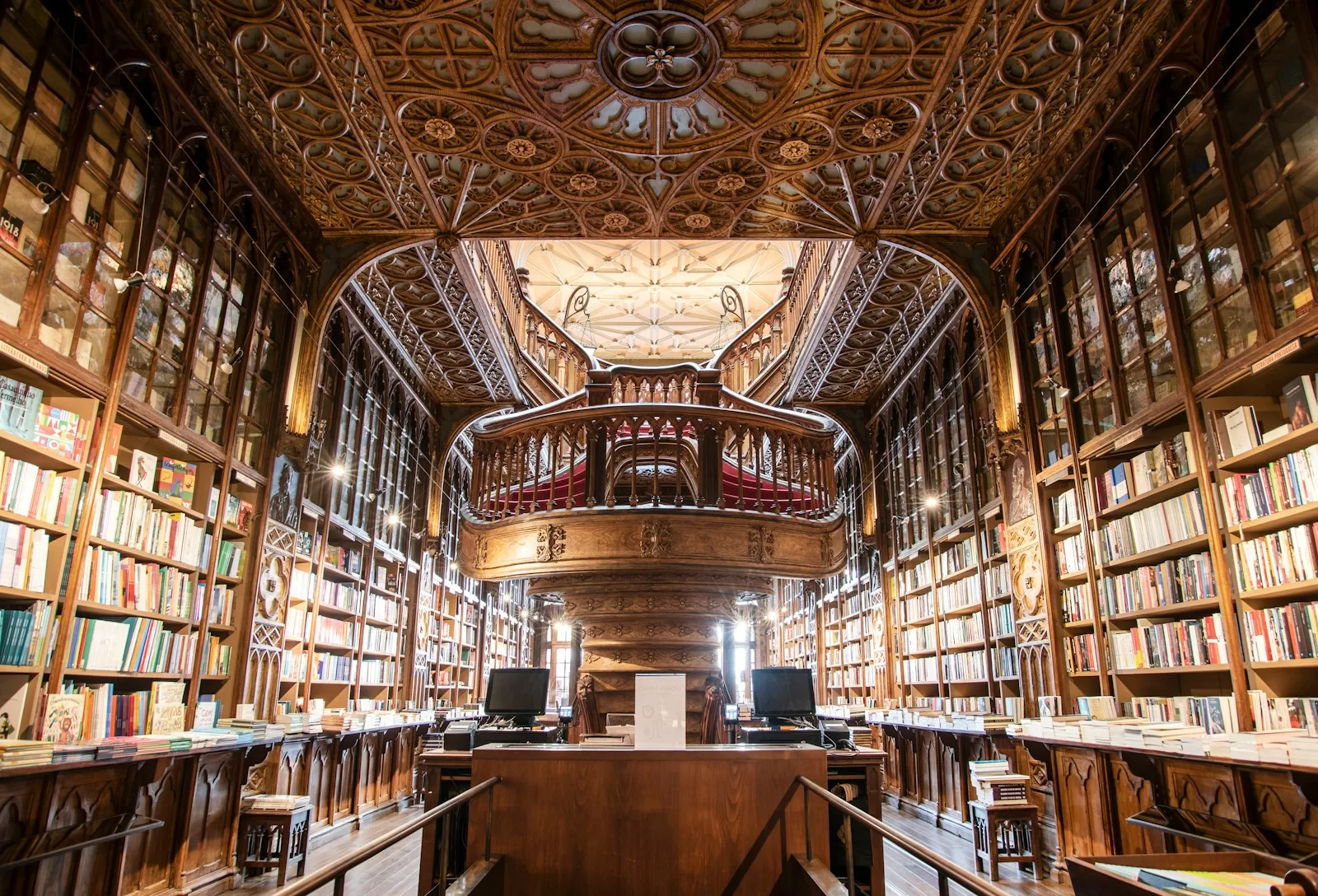
As a lifelong bookworm, this was a pilgrimage. The swirling staircase, stained glass ceiling, and literary history (yes, that Harry Potter rumor) make it one of the top places to visit in Porto.
6. Casa da Música
A Dutch architect designed this striking concert hall, and its lineup is as eclectic as the building itself. I caught a live jazz set here and was completely swept away. Casa da Música is an architecturally imposing building that hosts cultural events, making it a cultural landmark in Porto.
7. Serralves Museum and Park
For fans of contemporary art, this place is a dream. The minimalist galleries inside the Museu de Arte Contemporânea de Serralves contrast beautifully with the lush, sculpted gardens outside.
8. Vila Nova de Gaia
Just across the bridge, this is where the port wine cellars live. I toured a few—Graham’s, Sandeman, and Taylor’s—and sampled some of the best port wine I’ve ever had. The south bank views of Porto are unbeatable. Port wine, a fortified wine produced in the Douro Valley, is one of Portugal’s most famous exports and a must-try for visitors.
9. Porto Cathedral (Sé do Porto)
This fortress-like cathedral anchors the historic centre and offers sweeping views of the city. It’s humbling to stand where so many pilgrims have passed through over the centuries. The Porto Cathedral is the oldest surviving structure in the city, adding to its historical significance.
10. Avenida dos Aliados
This grand avenue in the city center is flanked by stunning architecture and crowned with Porto’s Town Hall. It’s perfect for a lazy stroll or late-night gelato.
Cultural Highlights
Porto breathes creativity. I watched street performers in the Ribeira district, stumbled into art shows in Rua Miguel Bombarda, and danced at a local music festival in July. The International Film Festival also introduced me to indie gems I never would’ve seen back home.
One of the most touching moments came during a fado night in a tucked-away tavern near São Francisco. That music—melancholy and magnetic—gave me goosebumps.
Celebrations You Don’t Want to Miss
Portugal doesn’t just celebrate holidays—it turns them into full-blown cultural experiences, especially in the north. If you time your trip right, you’re in for sensory overload in the best way.
Porto Festivals
Here are a few unforgettable festivals to mark on your calendar:
- São João Festival (June, Porto): Picture sardines grilling on every corner, strangers bopping each other on the head with plastic hammers, fireworks exploding above the Dom Luís I Bridge, and the whole city partying until sunrise. It’s Porto’s biggest night of the year, and I danced through it like a local.
- Festa de São Pedro (June, Vila Nova de Gaia): Just across the river mouth, this traditional fisherman’s festival features colorful boats, bonfires, and music. The vibe along the south bank of the Douro River is electric.
- Nos Primavera Sound (June): Held in Parque da Cidade, near the Atlantic coast, this music festival brings global indie, rock, and electronic acts to the north of Portugal. It’s like a cooler, less dusty cousin of Coachella.
- Fantasporto (February-March): A genre lover’s dream. This international film festival mixes horror, fantasy, and sci-fi with arthouse flair. It’s a bizarre, beautiful cinematic buffet.
- Porto Book Fair (September): Hosted in Palácio de Cristal Gardens, this literary celebration is more than books—it’s music, food, talks, and a deep dive into Portuguese culture with a backdrop of peacocks and the Douro River.
- Senhor de Matosinhos Festival (May-June): Just north in Matosinhos, this religious festival brings processions, lights, and sea blessings to the streets, all steeped in tradition.
These aren’t tourist traps. They’re alive with locals, with centuries-old customs still breathing in modern-day rhythms.
So, whether you’re marveling at contemporary art in unexpected spaces, dancing beside strangers in a midnight parade, or sipping port wine beneath festival lights, Porto—and Portugal—offers something deeper than just sightseeing. It invites you to feel.
Tasting My Way Through Porto

Let’s talk food. From plates of fresh fish to hearty bowls of caldo verde, Porto speaks my love language. I made it a mission to try a new dish every day. The Francesinha, a popular native snack food in Porto, is a must-try for anyone visiting the city. Porto is home to a variety of traditional Portuguese cuisine, which includes famous local dishes and an emphasis on seafood.
I devoured a francesinha one afternoon near Santa Clara—imagine a sandwich drenched in cheese and beer sauce—and fell in love with bacalhau à brás on a rainy night near the university district.
Wine? Oh, yes. Friends tasted port wine aged to perfection in Vila Nova de Gaia, and sipped local Douro reds in hidden bars around central Porto.
The Francesinha: A Love Story in Layers
My culinary journey kicked off with a sandwich—but not just any sandwich. The Francesinha, my friends, is the heavyweight champion of Porto cuisine. Somewhere between a dare and a dream.
I tucked into my first Francesinha near Santa Clara, and wow—bread, wet with beer-infused tomato sauce, hugging steak, ham, and sausage under a blanket of bubbling cheese. One bite and I felt like I had been initiated into Porto’s most delicious secret society.
If you’re hungry and brave, this is your rite of passage. It’s the city’s edible handshake.
Bowls of Comfort: Caldo Verde and Beyond
Porto knows how to warm your insides. One rainy night near the university district, I stumbled into a cozy tavern and ordered caldo verde—a traditional green soup made with potatoes, collard greens, and slices of chouriço.
It wasn’t flashy. But it was the culinary equivalent of a warm blanket. You’ll find locals slurping this simple dish across northern Portugal, especially in small restaurants that care more about soul than style.
Bacalhau for Days
If you’re in Portugal, you will encounter bacalhau. Often. Some say there are 365 ways to prepare this salt cod. I can’t confirm the number, but I tried at least five.
One standout? Bacalhau à Brás, a comforting mix of shredded cod, onions, eggs, and crispy potatoes. I had it while sipping red wine near Avenida dos Aliados, as a street musician played something nostalgic nearby. The food, the moment, the music—all perfectly seasoned.
Porto’s Fresh Fish Fetish
Being near the Atlantic coast, Porto knows its seafood. Grilled sardines, octopus rice, and tender polvo à lagareiro (that’s octopus with olive oil and garlic, y’all)—all made their way into my heart and onto my plate.
In Leça da Palmeira, just outside the city, I had one of the freshest grilled douradas of my life, overlooking the sea. If you love fresh fish, this coastline delivers.
Sweet Tooths, Beware: You’ll Fall for Pastel de Nata
Okay, technically from Lisbon, but found everywhere in Porto—the glorious pastel de nata is a flaky custard tart that needs no introduction. You’ll find them in cafés throughout the city center. Just don’t forget the cinnamon dusting.
Sipping Porto: A Wine Wonderland
Ah yes, port wine—the city’s namesake nectar. I made a pilgrimage to Vila Nova de Gaia, across the Dom Luís I Bridge, where the port wine cellars await on the south bank of the Douro River.
Imagine barrel-lined rooms, ruby ports, tawny ports, aged vintages whispering stories from the river mouth to your glass. I did a tasting with chocolate pairings and nearly wept from joy. (Don’t judge me.)
For a true grape-fueled odyssey, head up to the Douro Valley. I drove through winding hills and postcard-perfect vineyards near Peso da Régua and Pinhão. A glass of wine by the river Douro, surrounded by silence and terraced slopes? Chef’s kiss.
FC Porto and the Snack Game
It’s impossible to talk about the city without mentioning FC Porto—and that means match-day eats. I joined some fans at a pub near Estádio do Dragão and shared plates of bifanas (spicy pork sandwiches), local beer, and big opinions about referees.
Football and food? An elite pairing.
Coffee Culture, Portuguese Style
Forget your triple pump oat milk whatever. Porto’s café culture is simple and strong. I sipped bicas (small, bold espressos) in hidden cafés near São Francisco Church and along the picturesque streets of the historic centre.
Want to feel like a true Portuense? Order your coffee standing up, elbow-to-elbow with locals, and talk about the weather or FC Porto.
Where to Eat in Central Porto
Some of my favorite bites came from spots I just happened to find while wandering central Porto. If you’re not afraid of alleyways and stairs (and maybe getting a little lost), follow your nose. That’s how I found Casa Guedes and their iconic pork sandwich with sheep cheese—game-changer.
Don’t miss out on the markets either. Mercado do Bolhão is a feast for the senses. I munched my way through olives, cheeses, dried cod, and pastries while chatting up friendly locals.
Sports and Outdoor Fun
As someone who grew up watching football, seeing FC Porto play at Estádio do Dragão was electric. The crowd, the energy, the chants—it was a bucket-list experience.
In between sightseeing, I escaped to Parque da Cidade for peaceful walks, and even dipped into the sea at Praia de Matosinhos. The beach scene here is laid-back and local—think surfers, grilled sardines, and golden sunsets.
Favorite Day Trips from Porto
One of the best parts of visiting Porto is just how many gems lie a short train or car ride away. When the buzz of central Porto started to mellow, I chased fresh air, history, and wine into the surrounding corners of northern Portugal. And wow—each place had a pulse all its own.
Guimarães: Portugal’s Birthplace
Let’s start with Guimarães—a medieval masterpiece and hands-down one of my favorite day trips from Porto. Walking its picturesque streets, I felt like I had stumbled into a Renaissance painting. Cobbled alleys led me to the towering Guimarães Castle, and I stood there soaking in views that whispered tales of kings and conquests. They say Portugal was born here, and I believe it.
Grab a coffee at Largo da Oliveira, poke around the quaint museums, and don’t rush. Guimarães moves slowly, and you’ll want to match its pace.
Aveiro: The Venice of Portugal
Next stop? Aveiro—aka the “Venice of Portugal.” Sure, it’s a nickname, but those canals winding past candy-colored Art Nouveau buildings absolutely charmed me. I boarded a moliceiro (those long, painted boats that put gondolas to shame) and cruised past locals sipping espresso and chatting by the waterfront.
Don’t leave without trying ovos moles, Aveiro’s signature egg-yolk sweets. Weirdly addicting, dangerously good.
Braga: Faith and Festivities
Another gem? Braga—a city of spires, bells, and traditions. Known as the “Rome of Portugal,” Braga is bursting with churches, including the stunning Bom Jesus do Monte. Climbing its iconic baroque staircase was basically my penance for too many pastéis de nata.
If you go in spring, you might catch the Semana Santa (Holy Week) processions—pure pageantry meets deep spirituality.
Matosinhos: Where the Sea Meets the Grill
Sometimes, I just craved grilled fresh fish and ocean air. That’s when I hopped on the metro and headed to Matosinhos, a beachside town that locals know for seafood and surf.
Along Rua Heróis de França, I found restaurants grilling fish right on the sidewalk. I picked a place that smelled like heaven and ordered grilled sardines with lemon and olive oil. Simple, smoky perfection.
The nearby Senhor de Matosinhos Festival inearly summer? Pure energy. Think carnival rides, seafood stalls, and lively locals honoring a centuries-old maritime tradition.
Douro River Magic: The Ultimate Reset

But if I had to choose one escape that tugged at my soul the most, it was the Douro River. There’s something about heading inland from Porto, past the river mouth, and watching the landscape transform into terraced vineyards and sleepy villages. It’s like flipping pages of a travel fairy tale.
I cruised from Peso da Régua to Pinhão, glass of port wine in hand, the golden light spilling over vine-covered hills. The silence? Sacred. The wine? Sublime.
If you’re not up for driving, book a boat tour or hop on the train. Either way, the Douro Valley is a must-do for anyone chasing serenity and sipping happiness.
Where I Stayed in Porto
Over the course of my trips, I’ve tried everything—boutique hotels in central Porto, a funky hostel in Bonfim, and an apartment tucked above a bakery in Santa Catarina.
I usually book through Airbnb or Booking.com, and during festival season or July, I always reserve early. Porto gets busy fast—and the good spots go first.
Is Porto Safe?
Absolutely. I’ve wandered around Porto at night, camera in hand, and never felt uneasy. Like any European city, pickpockets exist, but a little awareness goes a long way. The tourist police are visible, and locals are incredibly kind if you ever need help.
Speaking the Language
I don’t speak fluent Portuguese, but knowing a few words helped—obrigado, bom dia, and por favor go a long way. Most people in restaurants, hotels, and shops in central Porto spoke enough English to help me along.
Public transport signs are in both languages, and with Google Translate, I navigated easily. Still, practicing a few phrases added warmth to every interaction.
Atypical Last Thoughts

Porto is one of those cities that lingers with you long after you’ve gone. It’s not about flashy landmarks or checking boxes. It’s about moments—sipping port wine at golden hour, hearing fado echo through a narrow alley, tasting fire-grilled sardines by the river mouth.
Be the first line to Lello Livaria by purchasing your tickets online.
If you’re wondering whether to visit Porto or head to Lisbon, let me say this: Porto doesn’t compete. It simply charms. It welcomes you slowly, steadily, and sincerely. Enjoy whichever region you go.
And once you’ve felt its rhythm, I guarantee—you’ll come back for more.
If you are interested in tourism content on France, Spain, and other locations in Europe be sure to follow me on Youtube.
Meet Carter

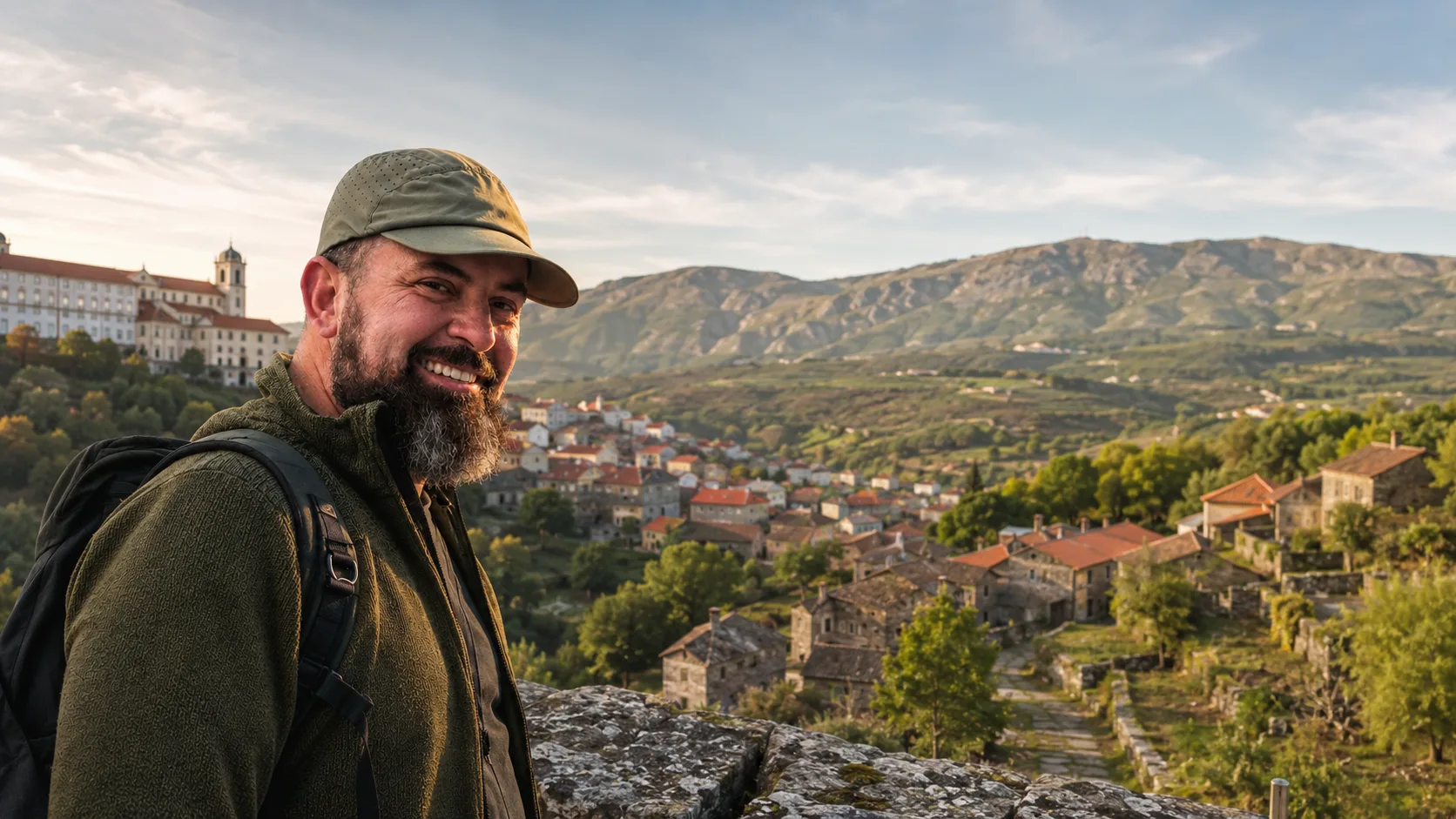
I’m Carter, an American traveler living in Portugal and the creator of Atypical Vagabond. After selling my technology business, I traded the conventional path for slow travel, life abroad, and a slightly unreasonable number of long walks across Europe. I share honest Portugal guides, Camino stories, digital nomad advice, and practical lessons to help you explore the world with greater confidence and purpose.
Subscribe
Looking for honest travel inspiration without the polished influencer nonsense?
Join the Atypical Vagabond newsletter for offbeat destination guides, Portugal travel tips, digital nomad lessons, slow travel stories, and the occasional reminder that the ordinary path is wildly overrated.
I share the victories, wrong turns, hidden gems, and real-life chaos that come with building a life around travel. No corporate fluff. No recycled bucket lists. Just useful advice, personal stories, and unconventional adventures designed to help you travel deeper, stay curious, and create your own damn route.
Subscribe and let’s reject the ordinary together.
Donations
Enjoying the stories, guides, videos, and occasional travel disaster here at Atypical Vagabond?
A small donation helps cover the real costs behind the adventures—from transportation and website hosting to camera gear, research, and enough coffee to keep the next guide moving.
There are no giant sponsors pulling the strings and no polished corporate travel machine hiding backstage. Your support helps me continue creating honest travel stories, practical Portugal guides, digital nomad advice, and unconventional adventures for travelers who prefer the road less rehearsed.
Every contribution helps keep Atypical Vagabond independent.
Fuel the next adventure through PayPal—and help me keep rejecting the ordinary.